

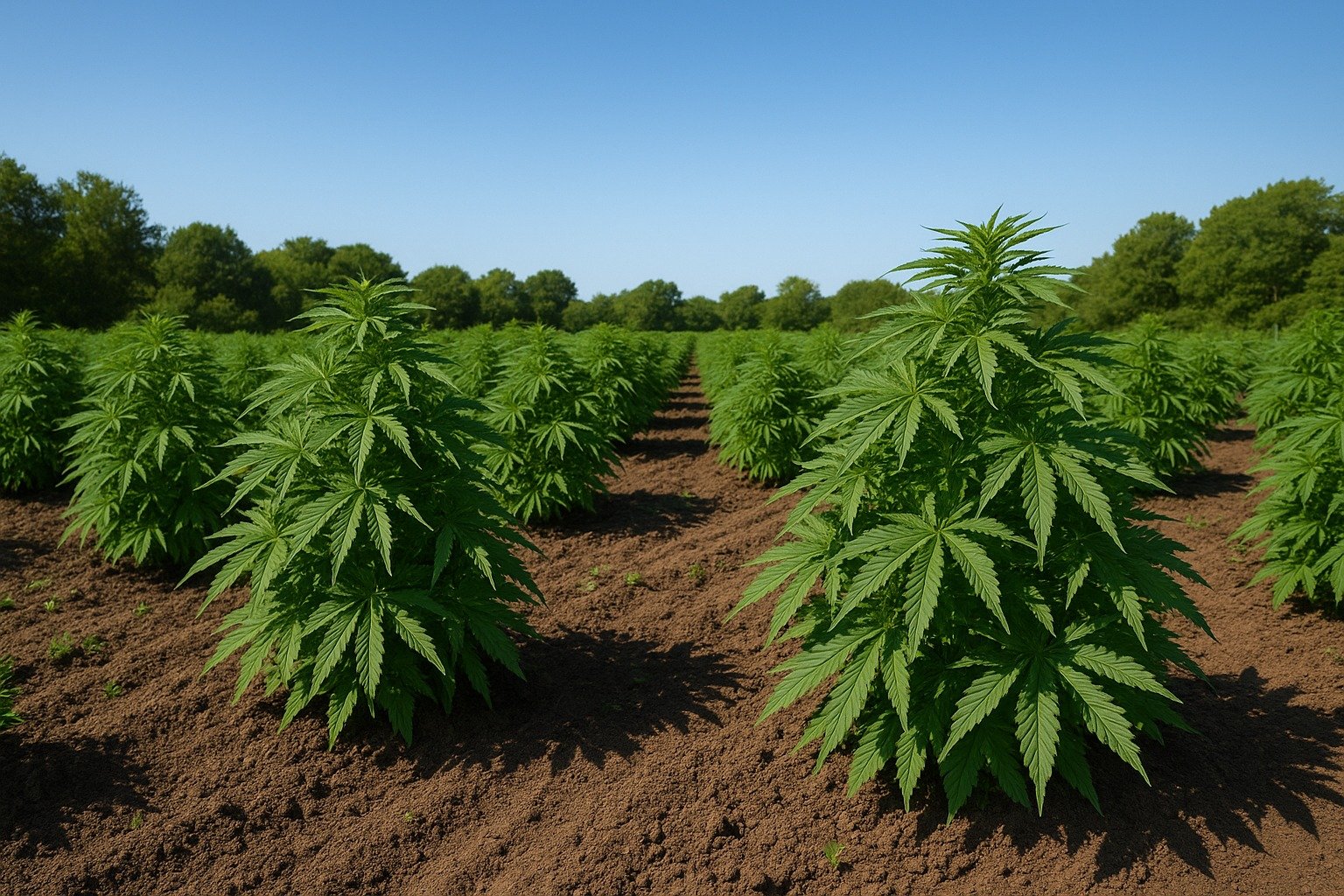
Growing cannabis outdoors in USDA Zone 6 can be highly rewarding if you understand the region’s unique climate and growing season. With average last frost dates in mid–May and the first frost arriving around mid–October, growers in Zone 6 enjoy a moderately long outdoor season of about 150–170 days. This timeframe allows for healthy vegetative growth and successful flowering, provided the right strains and cultivation techniques are chosen.
Whether you’re a beginner or an experienced grower, success in Zone 6 depends on timing, strain selection, and adapting to local weather patterns. Choosing fast-flowering photoperiods, cold-hardy varieties, or autoflowering cannabis strains ensures that plants finish before frost sets in. Additionally, paying attention to soil preparation, pest control, and humidity management can significantly boost yields.
In USDA Zone 6, the best time to plant cannabis outdoors is after the last frost in mid–May, with harvest typically between late September and mid–October. Choose fast-flowering or mold-resistant strains, prepare well-drained soil, and protect plants from early frost for the best yields.
This guide covers everything you need to know about planting dates, best cannabis strains for Zone 6, common challenges like frost and mold, and practical tips for maximizing your harvest. By following these strategies, you’ll be well-prepared to grow strong, resilient cannabis plants in your outdoor garden.
🌱 Understanding USDA Zone 6 for Cannabis Growing
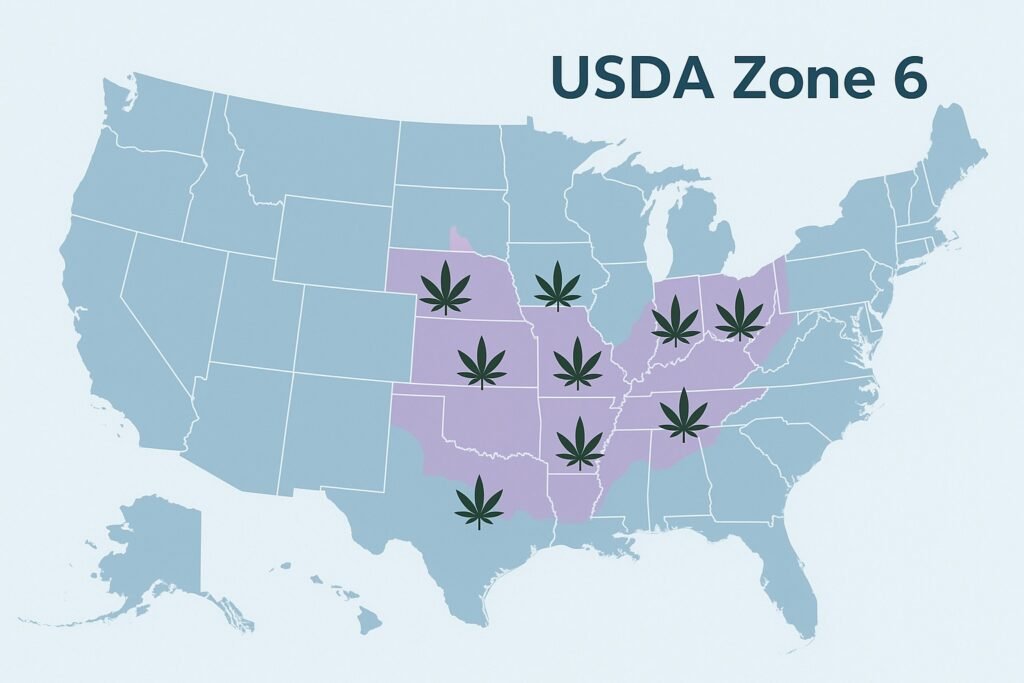
When planning an outdoor cannabis grow, one of the first things to consider is your USDA hardiness zone, which defines the average frost dates and temperature ranges in your region. Zone 6 covers large parts of the United States, including areas of the Midwest, Northeast, and Mid-Atlantic. This zone is characterized by average minimum winter temperatures between –10°F and 0°F (-23°C to –17°C), making it a moderate climate compared to warmer zones like 8 or 9.
For cannabis growers, the most important detail in Zone 6 is the growing season length. On average, growers can expect about 150–170 frost-free days each year. The last frost typically occurs around mid–May, while the first frost arrives in mid–October. This window gives cannabis plants enough time to complete their vegetative and flowering cycles, but strain selection and timing are critical to avoid frost damage.
Zone 6 also brings seasonal challenges: spring nights can still be chilly, summers can be humid (increasing the risk of mold and mildew), and early fall frosts may threaten late-flowering strains. Because of these factors, cannabis growers in Zone 6 often prefer fast-flowering photoperiod strains, cold-hardy genetics, or autoflowers that can finish before the first frost.
By understanding your climate zone, you can strategically plan when to germinate seeds, transplant outdoors, and prepare for harvest. This ensures that your plants not only survive but thrive throughout the outdoor growing season in Zone 6.
🌱 Best Time to Plant Cannabis in Zone 6
Timing is everything when it comes to outdoor cannabis cultivation in Zone 6. Planting too early exposes seedlings to frost damage, while planting too late can shorten the growing season and reduce yields. To maximize success, growers must align their grow cycle with the last frost date and the overall 150–170 day outdoor season available in this zone.
🌱 Last Frost and Germination Timing
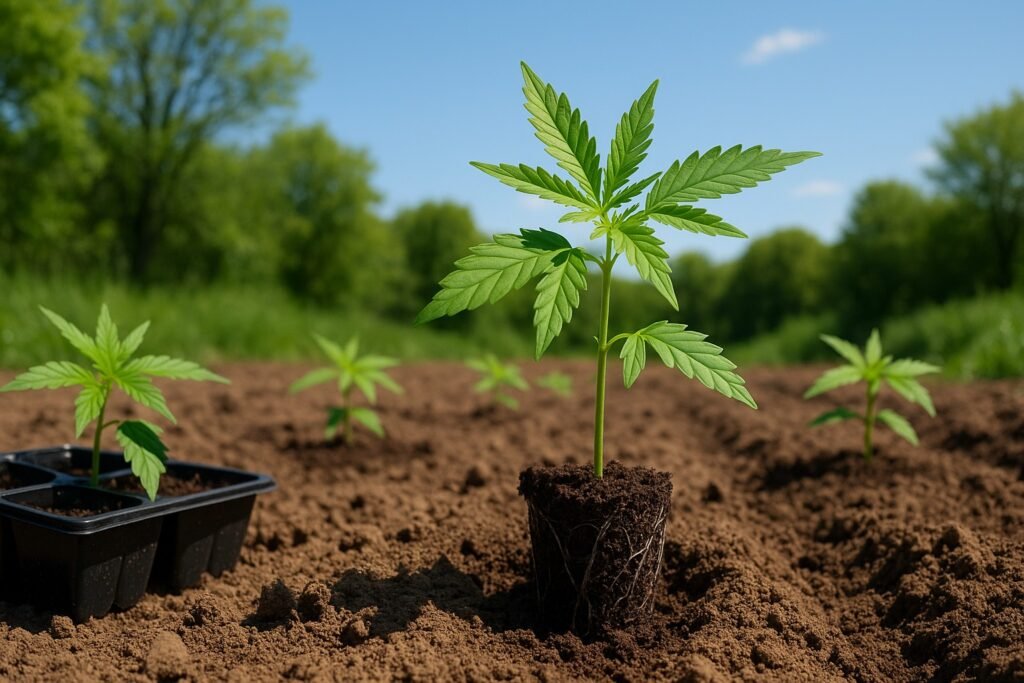
In Zone 6, the last frost usually occurs between May 10 and May 20. Planting cannabis outdoors before this date risks cold shock or frost kill, which can severely stunt growth. The best approach is to start seeds indoors in early to mid-April under controlled light, then move them outdoors after the last frost. This ensures strong, healthy seedlings ready to take advantage of the full growing season.
🌱 Transplanting to Outdoor Soil
Before transplanting, it’s important to harden off your seedlings—gradually exposing them to outdoor conditions over 7–10 days. This reduces transplant shock and helps plants adapt to natural sunlight, wind, and fluctuating temperatures. Soil preparation is equally vital: aim for well-draining, nutrient-rich soil with a pH between 6.0 and 7.0. Adding compost or organic amendments can give your cannabis plants a strong start.
🌱 Why Timing Matters for Yields
Because Zone 6 has a mid-October first frost, cannabis plants need enough time to flower and mature before temperatures drop. By planting after mid-May, you give your crop the best chance to complete the full vegetative and flowering cycle without risk of frost damage. For growers using autoflowers, multiple harvests may be possible if seeds are staggered throughout the season.
🌱 Best Cannabis Strains for Zone 6
Choosing the right cannabis strain is one of the most important decisions for outdoor growers in USDA Zone 6. Because the season is limited to about 150–170 frost-free days, selecting strains that finish flowering before mid–October is essential to avoid frost damage. Strains with fast flowering times, strong mold resistance, and cold tolerance are the best fit for this climate.
🌿 Fast-Flowering Photoperiod Strains
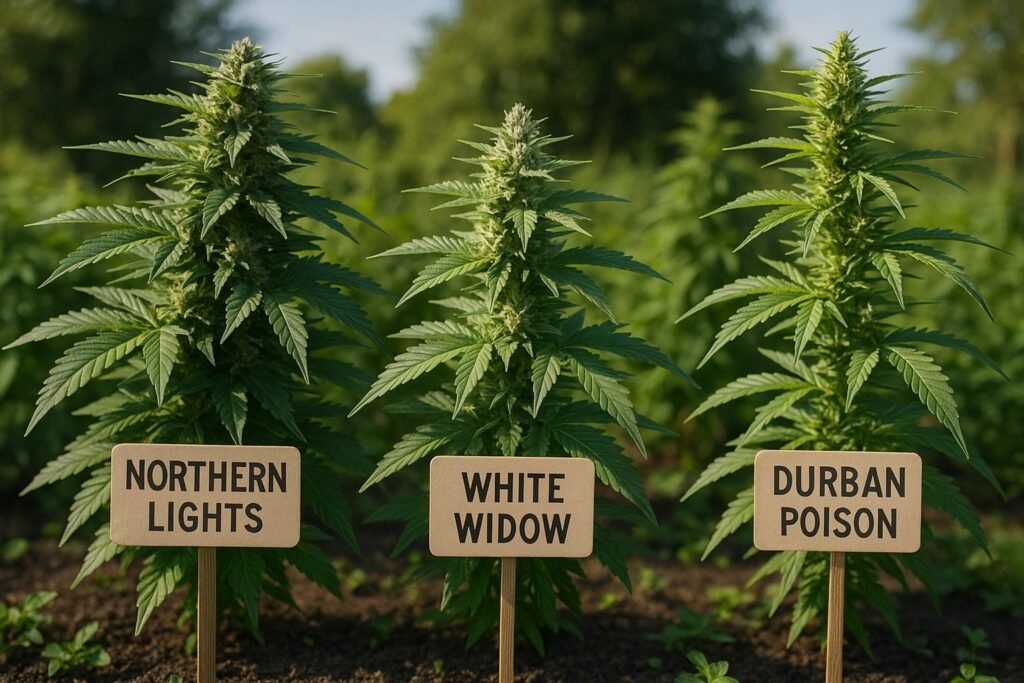
Photoperiod cannabis strains thrive in Zone 6 if they can finish flowering quickly. Varieties with 8–9 week flowering times are ideal, as they can be harvested before the first frost hits. Some popular choices include:
- Northern Lights – Known for resilience, fast flowering, and high yields.
- White Widow – Compact, mold-resistant, and finishes by late September.
- Skunk #1 – Hardy strain that performs well in cooler late-season weather.
🌿 Autoflower Strains for Short Seasons
Autoflowering cannabis strains are an excellent option for Zone 6 growers because they are less dependent on daylight hours and finish in as little as 8–10 weeks. This allows for multiple harvests per season if staggered planting is used. Top autoflower picks include:
- Amnesia Auto – Strong effects and finishes quickly.
- Gorilla Glue Auto – Heavy yields and resilience against unpredictable weather.
- Blueberry Auto – Great flavor and natural resistance to pests.
🌿 Mold-Resistant & Cold-Hardy Strains
Because Zone 6 summers can be humid and autumn brings cooler nights, growers should also consider mold-resistant genetics. These strains are less likely to suffer from bud rot and mildew:
- Durban Poison – Naturally resistant to mold and thrives in varying climates.
- Critical Mass – Compact flowering and highly resistant to humidity issues.
- Early Skunk – Bred for outdoor growing with excellent hardiness.
🌱 Common Challenges for Zone 6 Outdoor Growers
While Zone 6 offers a moderate climate for outdoor cannabis cultivation, growers still face a number of seasonal challenges. Understanding these risks and planning ahead can mean the difference between a successful harvest and major crop loss.
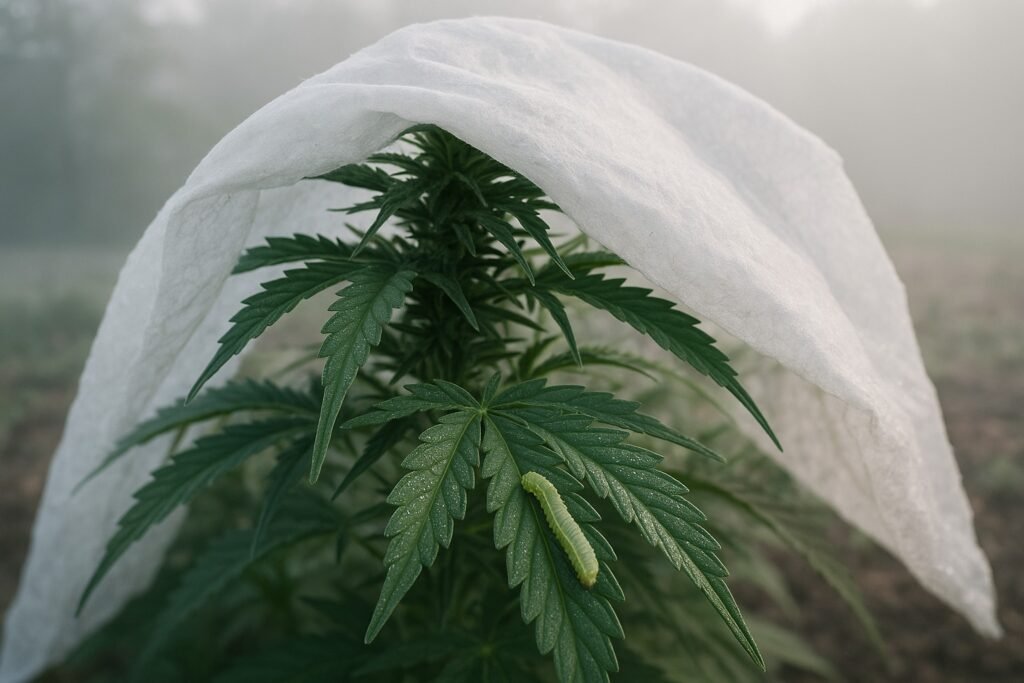
❄️ Late Frost Risk
Even though the average last frost occurs around mid–May, sudden cold snaps are common in Zone 6. If cannabis plants are transplanted too early, young seedlings can suffer cold stress or die overnight. The best way to protect your plants is by:
- Using frost cloths, row covers, or plastic tunnels during unexpected cold nights.
- Keeping a few plants in pots that can be moved indoors if necessary.
- Starting seeds indoors and only transplanting outdoors once nighttime temperatures remain consistently above 50°F (10°C).
💨 Humidity and Mold in Late Summer
Zone 6 summers often bring humid conditions, especially in August and September. High humidity creates the perfect environment for powdery mildew and bud rot, which can destroy flowering cannabis buds. To reduce this risk:
- Prune lower branches to improve airflow.
- Space plants widely to prevent overcrowding.
- Avoid overhead watering; water at the soil level instead.
🐛 Pests in Zone 6 Gardens
Common garden pests such as aphids, spider mites, caterpillars, and whiteflies thrive in Zone 6. These pests not only weaken plants but also spread disease. Growers can protect their cannabis crops by:
- Applying organic pest control like neem oil or insecticidal soap.
- Introducing beneficial insects such as ladybugs and praying mantises.
- Regularly inspecting leaves (especially the underside) for signs of infestation.
🌱 Maximizing Yield in Zone 6
To achieve a high-yield cannabis harvest in USDA Zone 6, growers need to take full advantage of the 150–170 day growing window while managing seasonal challenges like humidity and early frost. With the right preparation, training techniques, and care, outdoor growers in this zone can consistently produce large, healthy buds.
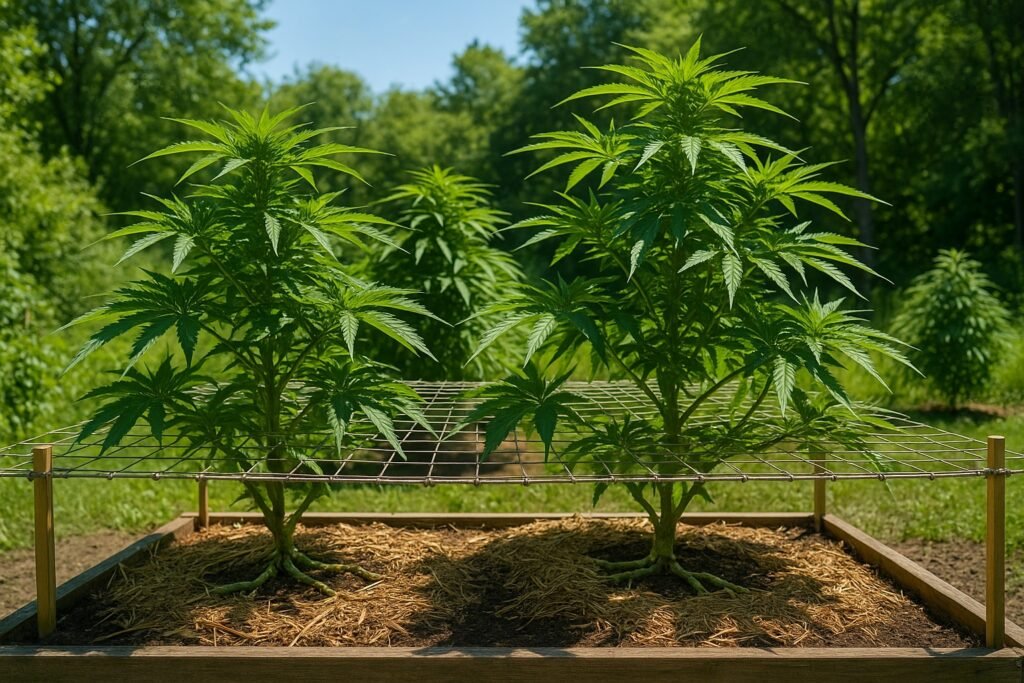
🌿 Soil Preparation for Bigger Harvests
Healthy soil is the foundation of high yields. In Zone 6, winters can deplete nutrients, so replenishing the soil before planting is essential.
- Use living soil or organic compost to provide a natural nutrient boost.
- Maintain a soil pH of 6.0–7.0 for optimal nutrient uptake.
- Mix in amendments like worm castings, bat guano, or bone meal to strengthen root development.
💧 Watering & Feeding During Summer Heat
Zone 6 summers can vary from mild to hot, with some regions experiencing short dry spells. To keep plants thriving:
- Water deeply 2–3 times per week rather than light, frequent watering.
- Mulch around the base of plants to conserve moisture and stabilize soil temperature.
- Supplement with organic nutrients or teas during vegetative and flowering stages for strong bud growth.
🌱 Training Techniques to Boost Bud Size
Training cannabis plants maximizes light exposure and airflow, leading to bigger yields. In Zone 6, effective methods include:
- Low-Stress Training (LST): Bending branches outward for even light coverage.
- Topping/FIM: Cutting the main stem to encourage bushier growth.
- SCROG (Screen of Green): Using a mesh net to spread out branches and increase flower sites.
🌞 Extending the Season with Protection
Since frost arrives in mid–October, protecting plants during late flowering can significantly increase yields.
- Use greenhouses, hoop houses, or temporary plastic tunnels to extend the season by 2–3 weeks.
- Cover plants during cold nights to prevent stress and bud damage.
- Some growers also stagger autoflower crops to ensure multiple harvests within one Zone 6 season.
By combining strong soil health, proper watering, plant training, and season extension, growers can maximize both yield and potency of cannabis outdoors in Zone 6.
🌱 Harvesting Cannabis in Zone 6
Harvest timing is one of the most crucial steps for outdoor cannabis growers in USDA Zone 6. Because the season ends with frost in mid–October, it’s essential to plan your harvest window carefully to avoid damage to the buds while ensuring maximum potency.
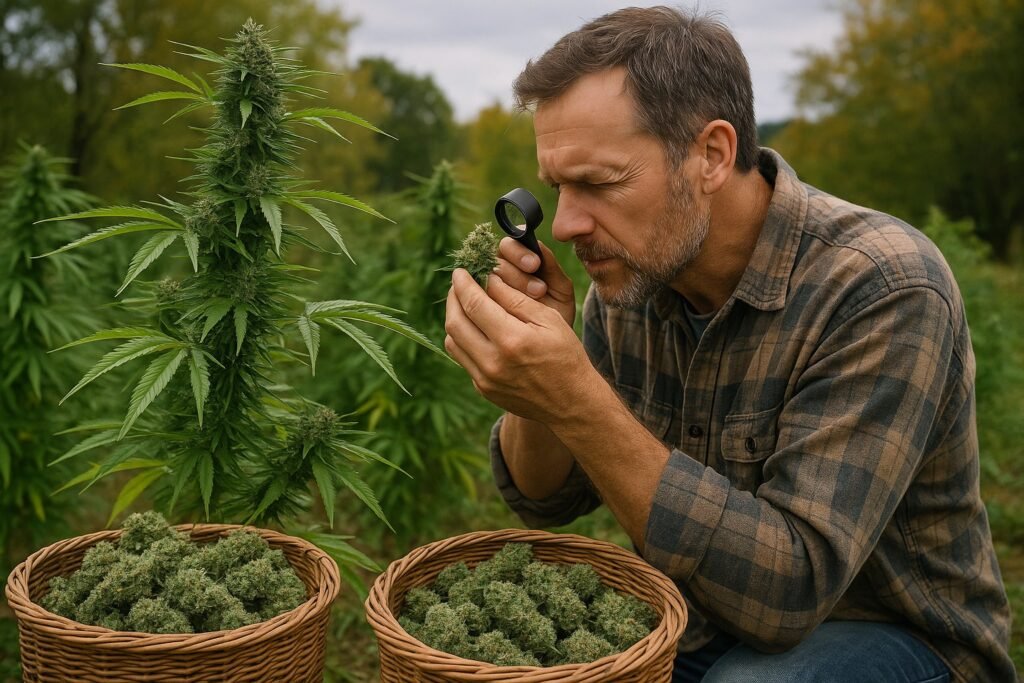
🍂 Expected Harvest Window
In Zone 6, most photoperiod cannabis strains are ready for harvest from late September through mid–October. Growers who start seeds indoors early and transplant by mid–May will see plants finish right before the first frost. Autoflowers, on the other hand, can be harvested as early as July or August, and growers may even achieve two or three harvests per season with staggered planting.
🔍 Monitoring Trichomes for Maturity
Instead of relying only on calendar dates, experienced growers check the trichomes (tiny resin glands on buds) with a magnifier.
- Clear trichomes = too early, less potency.
- Cloudy trichomes = peak THC, energetic high.
- Amber trichomes = more CBD, relaxing effect.
Zone 6 growers should begin monitoring trichomes in late September to avoid missing the ideal harvest window if frost arrives early.
🌬️ Drying & Curing in Zone 6 Conditions
Because Zone 6 has humid autumn weather, drying and curing must be carefully managed to prevent mold.
- Hang plants in a cool, dark, well-ventilated area for 7–14 days.
- Use fans for air circulation but avoid direct airflow on buds.
- After drying, cure cannabis in airtight glass jars, opening them daily for the first week to release moisture.
By timing the harvest correctly and managing drying conditions, Zone 6 growers can preserve potency, flavor, and aroma while avoiding mold issues.
🌱 Final Tips for Zone 6 Cannabis Growers
Growing cannabis outdoors in USDA Zone 6 can be very rewarding if you stay mindful of the climate and plan each step of the growing cycle. While the season length of 150–170 frost-free days provides enough time for healthy plants, success depends on timing, strain selection, and protection from weather extremes.
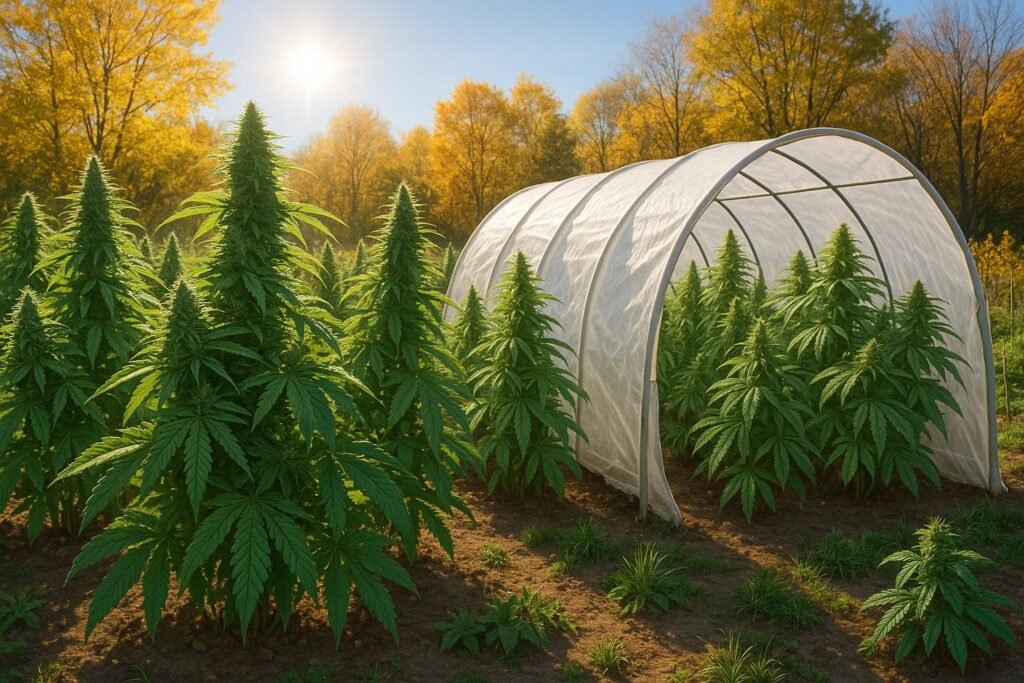
- Always track local weather forecasts: Sudden late frosts or unexpected early cold snaps can still occur in Zone 6. Be prepared with frost covers or temporary shelters.
- Choose the right genetics: Focus on fast-flowering photoperiods, autoflowers, and mold-resistant strains that can thrive in humidity and finish before mid-October.
- Plan for pests and mold: Regular inspections, organic pest control, and pruning for airflow are essential for avoiding common Zone 6 grower problems like bud rot.
- Use season extension tools: Greenhouses, hoop houses, or even simple plastic covers can add 2–3 weeks of protection at the end of the season, helping you achieve fuller, more potent buds.
- Backup strategy: Keep a few plants in pots or try autoflowers indoors as a safety net in case the outdoor season gets cut short.
By following these practical tips, Zone 6 growers can consistently achieve successful harvests and enjoy healthy, flavorful cannabis. With the right preparation, even the challenges of frost and humidity can be managed effectively.
🌱 Conclusion
Growing cannabis outdoors in USDA Zone 6 is both achievable and rewarding if you plan around the region’s unique climate. With a growing season that lasts about 150–170 frost-free days, Zone 6 provides enough time for strong vegetative growth and successful flowering—so long as you plant after the last frost in mid–May and harvest before the first frost in mid–October.
The key factors for success are choosing the right strains (fast-flowering photoperiods, autoflowers, and mold-resistant varieties), protecting plants from sudden frost and humidity, and maximizing yield through soil preparation and training techniques. By monitoring trichomes and carefully managing drying and curing, Zone 6 growers can produce potent, high-quality cannabis year after year.
If you’re ready to expand your grow knowledge, don’t stop here. For a complete seasonal roadmap, check out our detailed Cannabis Growing Calendar, which will help you plan every stage of cultivation no matter your zone.
If you’re planning on growing weed outdoors, your local climate and planting zone will play a big role in your success. For example, growers in USDA Zone 6 need to carefully time their planting after the last frost and choose fast-flowering or mold-resistant strains to avoid early autumn damage.
