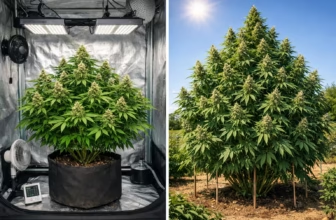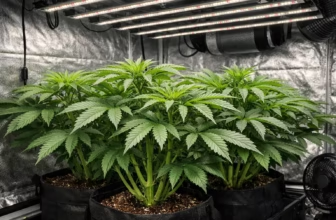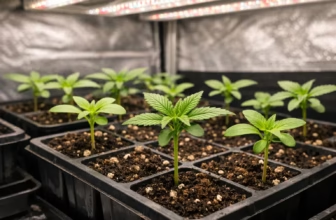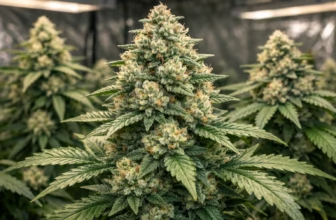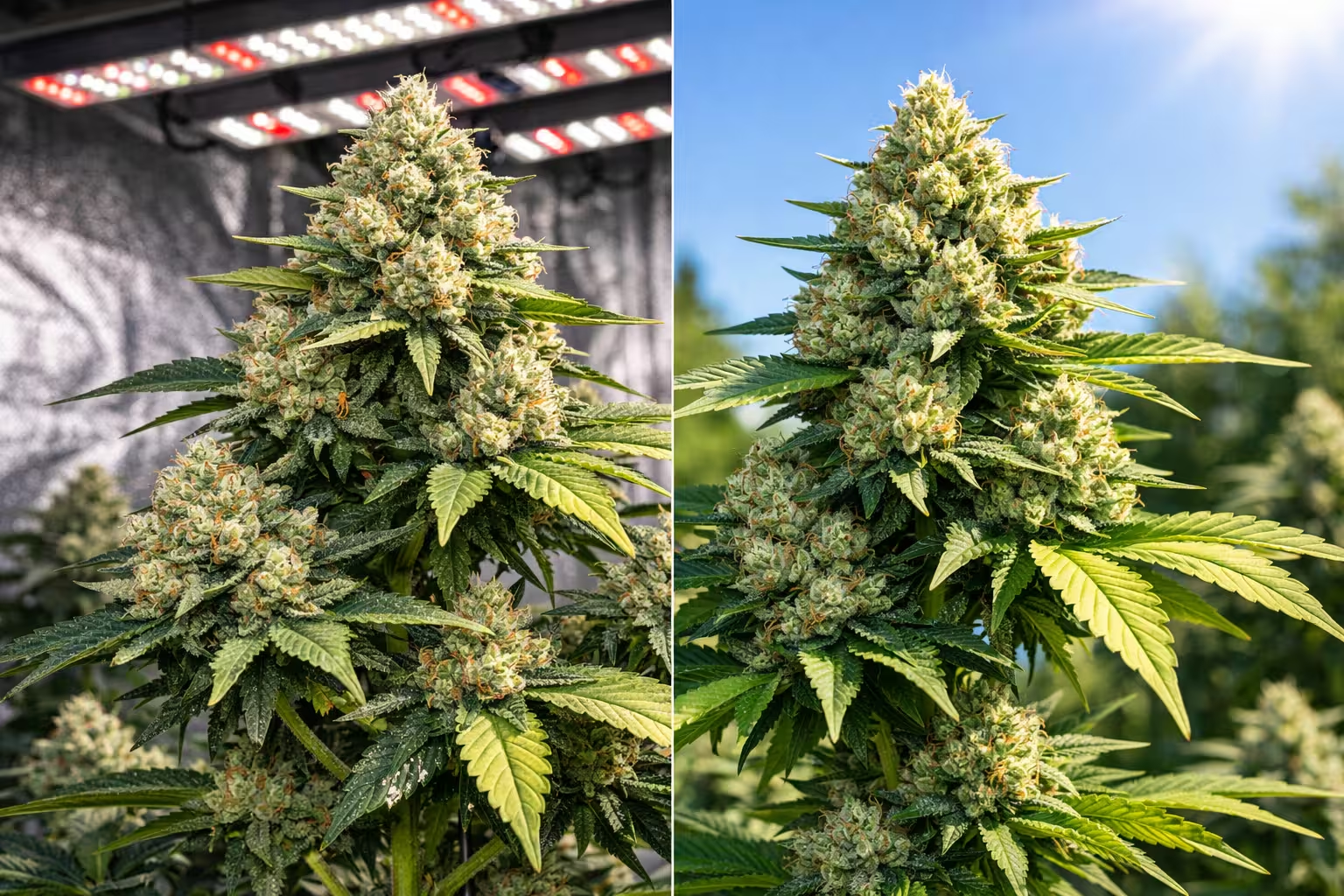
An average marijuana plant yields between 2 to 10 ounces (56–280 grams) of dried buds per plant. Indoor plants usually yield less than outdoor plants, while genetics, light, nutrients, pot size, and training methods play a major role in final harvest size.
Average Marijuana Yield Per Plant (Quick Overview)
When growers ask about the average marijuana plant yield, the honest answer is: it depends. On average, a single cannabis plant produces 2 to 10 ounces (56–280 grams) of dried buds, but that range can swing higher or lower based on how the plant is grown, what genetics you’re running, and how much care you put into the grow.
For beginners, yields tend to land on the lower end of the scale. That’s completely normal. Early grows are about learning plant behavior, dialing in watering habits, and understanding how cannabis responds to light and nutrients. As growers gain experience and refine their setup, yields naturally improve with each cycle.
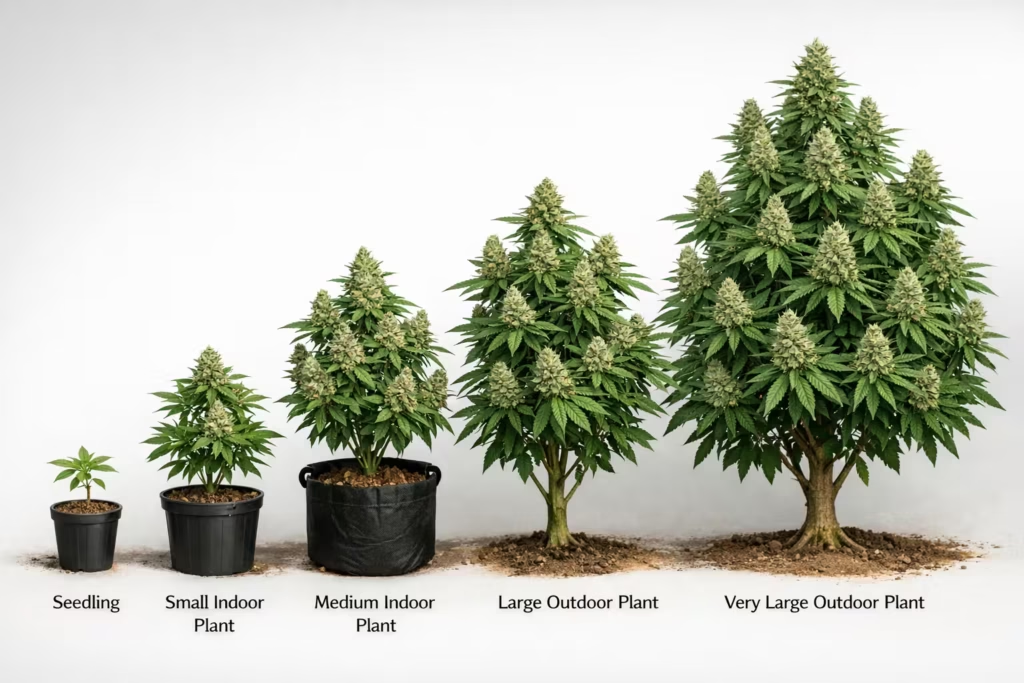
Indoor marijuana plants usually yield less per plant than outdoor ones, mainly because root space, light spread, and plant size are limited indoors. However, indoor growers make up for this with consistency, faster harvest cycles, and multiple plants per grow. Many indoor cultivators measure success not just by yield per plant, but by yield per square meter or grams per watt, which gives a more accurate picture of efficiency.
Outdoor marijuana plants, on the other hand, have the potential to produce massive harvests. With full sun, long vegetative periods, and unrestricted root growth, outdoor cannabis plants can yield several pounds per plant under ideal conditions. That said, outdoor yields depend heavily on climate, season length, pest pressure, and weather stability.
It’s also important to understand that “average yield” is not a guarantee. Two plants grown from the same strain can produce very different results if one experiences stress, poor lighting, or nutrient issues. Factors like strain genetics, pot size, training techniques, growing medium, and light intensity all stack together to influence final bud weight.
Think of yield as a combination of decisions rather than a fixed number. Strong genetics, healthy roots, good airflow, and proper feeding create the foundation. From there, techniques like topping, low-stress training (LST), and extended vegetative growth can push your harvest toward the higher end of the yield spectrum.
In short, average marijuana plant yield gives you a baseline expectation, not a limit. With patience and smart growing practices, that “average” can steadily turn into an above-average harvest 🌱
Indoor Marijuana Plant Yield
Growing marijuana indoors gives you full control over the environment, but that control also comes with natural yield limits. On average, an indoor marijuana plant yields between 2 to 6 ounces (56–170 grams) of dried buds per plant. Skilled growers with optimized setups can push yields higher, but indoor harvests are usually smaller per plant compared to outdoor grows.
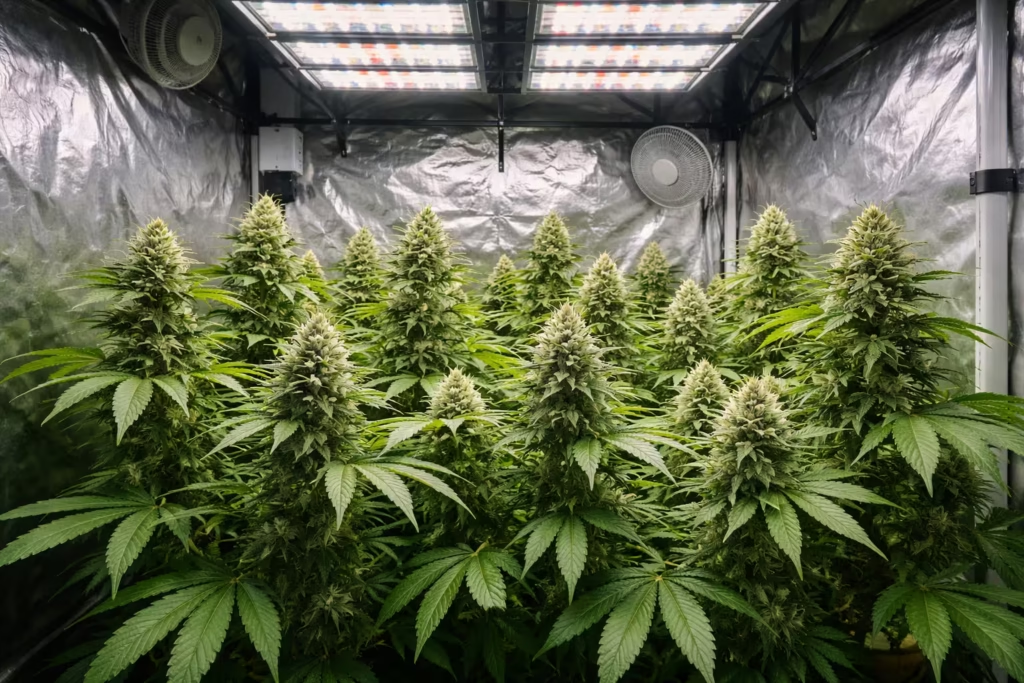
The main reason indoor cannabis yields less per plant is space and light restriction. Indoor plants are grown under artificial lighting, in tents or grow rooms, with limited vertical height and pot size. Instead of letting one plant grow huge, most indoor growers focus on multiple smaller plants and overall efficiency rather than monster single-plant yields.
That’s why experienced indoor cultivators don’t judge success only by yield per plant. Instead, they look at yield per square meter or grams per watt, which better reflects how well the grow room is performing. A properly dialed-in indoor grow can produce very consistent harvests cycle after cycle, something outdoor growers can’t always rely on.
Average Indoor Yield Per Plant
For most home growers, a realistic indoor yield per plant falls into these ranges:
- Beginner growers: 1–3 ounces per plant
- Intermediate growers: 3–5 ounces per plant
- Advanced growers: 6+ ounces per plant under ideal conditions
These numbers assume healthy plants, stable temperatures, proper humidity, and a decent LED or HPS grow light. Poor lighting, overcrowding, or root-bound plants can easily cut yields in half, even if everything else looks fine.
Indoor Yield Per Square Meter (Why It Matters)
In indoor cultivation, yield is often measured by grams per square meter (g/m²) instead of per plant. A well-run indoor grow typically produces:
- 400–600 g/m² with quality LED lighting
- 600+ g/m² in optimized setups with strong genetics and training
This metric helps growers compare setups fairly. For example, ten small plants yielding 50 grams each can outperform two large plants yielding 200 grams each when measured by total space efficiency.
How Lighting Affects Indoor Marijuana Yield
Light is the single biggest factor in indoor cannabis yield. Strong, evenly distributed light drives photosynthesis and bud development. Growers using high-quality LED grow lights with proper PPFD levels generally see better yields, denser buds, and less heat stress than older lighting systems.
Light schedule also matters. Maintaining an optimal 18/6 light cycle during veg and a strict 12/12 flowering cycle ensures plants stay healthy and transition smoothly into bloom. Weak lighting, poor coverage, or inconsistent schedules often result in airy buds and reduced harvest weight.
Why Indoor Yields Are Still Worth It
Even though indoor marijuana plants yield less per plant, indoor growing shines in other ways. Faster harvests, year-round growing, pest control, and predictable results make indoor cultivation ideal for growers focused on quality, consistency, and control. With proper training techniques like topping, LST, or SCROG, indoor growers can squeeze impressive yields out of limited space.
In short, indoor marijuana yield is all about efficiency over size. When your environment is dialed in and your plants stay stress-free, indoor harvests can be both reliable and rewarding—harvest after harvest.
Outdoor Marijuana Plant Yield
Outdoor growing is where cannabis plants can truly reach their full yield potential. With natural sunlight, unrestricted root space, and long vegetative periods, an outdoor marijuana plant can yield anywhere from 8 ounces to several pounds per plant, depending on how it’s grown and where it’s planted.
On average, most outdoor growers can expect 1 to 3 pounds (450 g–1.3 kg) of dried buds per plant under good conditions. Well-managed plants grown in ideal climates with long summers can exceed that range, while smaller container-grown outdoor plants may yield less.
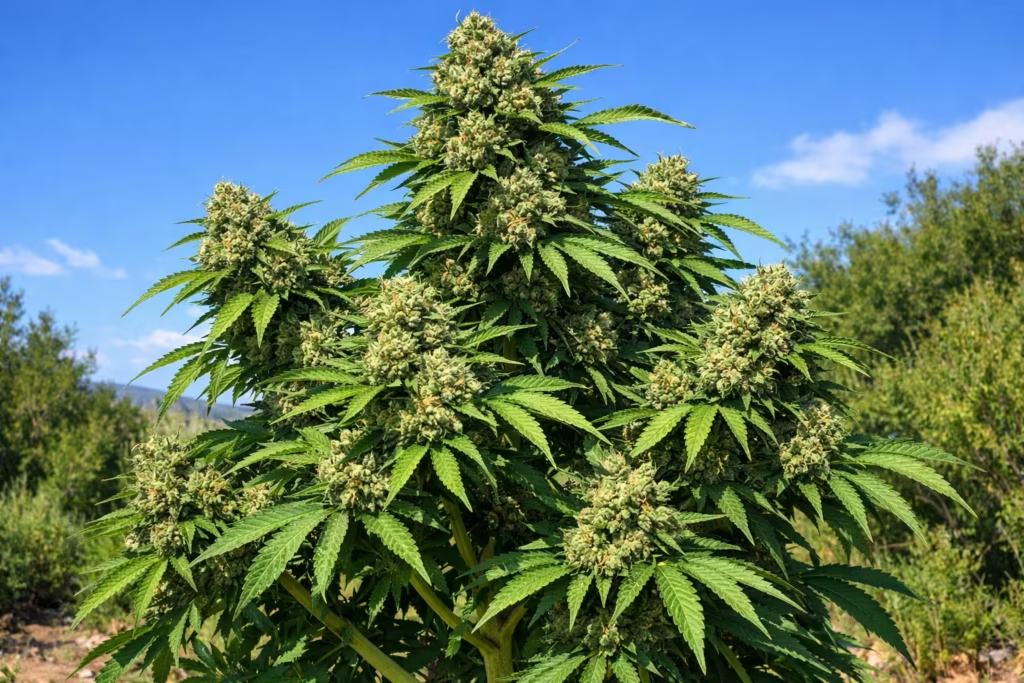
Unlike indoor grows, outdoor cannabis isn’t limited by tent size or artificial light coverage. Sunlight provides a full light spectrum, which encourages strong branching, thicker stems, and larger bud sites. That’s why outdoor marijuana plants often grow much taller and wider than indoor plants, directly translating into heavier harvests.
Average Outdoor Yield Per Plant
A realistic outdoor yield depends on planting method, grow time, and climate:
- Small outdoor plants (containers): 4–12 ounces per plant
- Medium outdoor plants: 1–2 pounds per plant
- Large full-season plants (in-ground): 3–5+ pounds per plant
These numbers assume healthy plants with proper nutrition, good airflow, and minimal stress. Outdoor plants that are transplanted early in the season and given time to establish large root systems usually produce the biggest yields.
Outdoor Yield by Climate and Growing Season
Climate plays a major role in outdoor marijuana yield. Regions with long, warm summers allow plants to stay in the vegetative stage longer, resulting in larger plants and heavier buds. In contrast, shorter growing seasons limit plant size and overall yield.
Growers in sunny climates with mild fall weather often see the best results, while those in colder or wetter regions may need to choose fast-flowering strains to avoid mold and early frost damage. Rain, humidity, and temperature swings can all impact bud density and final harvest weight.
Ground Planting vs Container Growing Outdoors
One of the biggest yield differences outdoors comes down to root space. Cannabis plants grown directly in the ground almost always outperform container-grown plants. In-ground plants can develop massive root systems, absorb more nutrients, and handle heat stress better.
Container-grown outdoor plants still perform well, especially when using large pots (15–50 gallons), but they generally produce smaller yields than in-ground plants. However, containers give growers more flexibility with placement, pest control, and mobility.
Why Outdoor Plants Yield More Than Indoor
Outdoor marijuana plants benefit from:
- Unlimited sunlight
- Larger root zones
- Longer vegetative growth
- Natural airflow
- Less equipment stress
That combination allows outdoor plants to stack bud sites across long branches, producing dense colas and heavy harvests when grown correctly.
In short, outdoor marijuana yield rewards patience and planning. If you choose the right strain, start early, protect your plants, and feed them properly, outdoor cannabis can deliver some of the most impressive yields a grower will ever harvest.
Autoflower vs Photoperiod Yield Comparison
When it comes to marijuana plant yield, one of the biggest decisions a grower makes is choosing between autoflowering and photoperiod cannabis plants. Both have their place in a grower’s garden, but they differ significantly in yield potential, growth control, and overall harvest size.
Average Autoflower Yield Per Plant
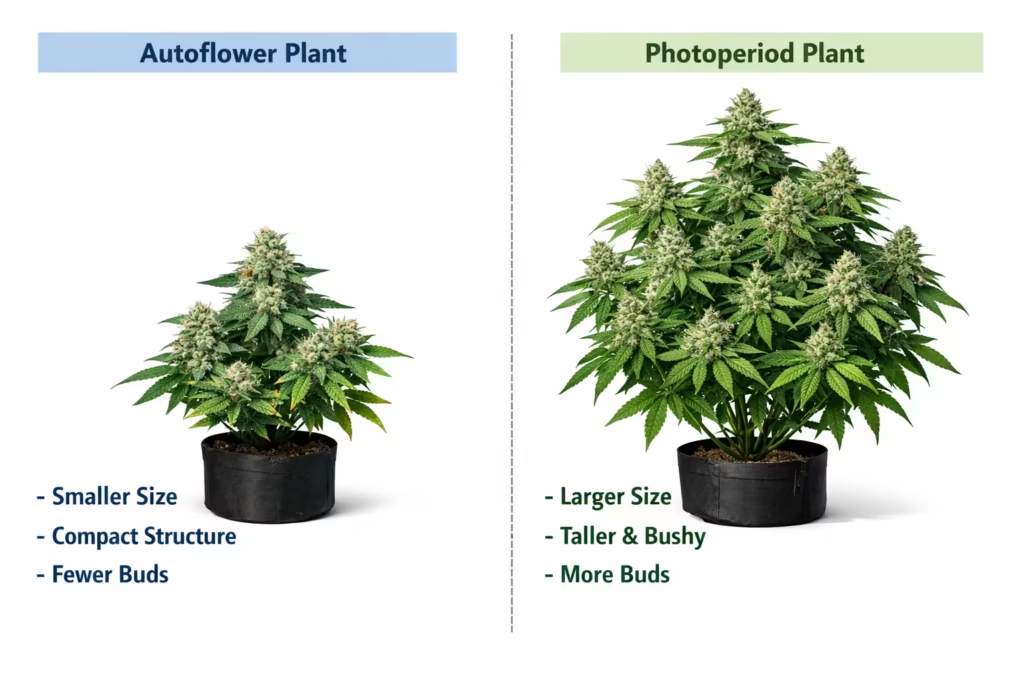
Autoflower marijuana plants are bred to flower based on age rather than light schedule. On average, an autoflower cannabis plant yields between 1 to 4 ounces (28–113 grams) of dried buds per plant. Some high-performing autoflower strains can yield more, but most autos remain smaller due to their short life cycle.
Autoflowers typically complete their entire growth cycle in 8 to 12 weeks, which limits how large they can get. Because they have a fixed vegetative period, growers can’t extend veg time to increase plant size. Any stress during early growth, such as overwatering or transplant shock, can noticeably reduce final yield.
That said, autoflowers shine in other areas. They are beginner-friendly, discreet, and ideal for quick harvests. Many growers run multiple autoflower cycles per year or grow them alongside photoperiod plants to maximize total annual yield.
Average Photoperiod Yield Per Plant
Photoperiod cannabis plants usually produce larger yields per plant, averaging 4 to 10 ounces (113–280 grams) indoors and significantly more outdoors. Because flowering is triggered by a change in light schedule, growers have full control over how long plants stay in the vegetative stage.
This ability to extend veg time allows photoperiod plants to develop stronger root systems, thicker branches, and more bud sites. Techniques like topping, low-stress training (LST), and SCROG are especially effective with photoperiod plants and can dramatically increase yield when done correctly.
Outdoors, photoperiod plants grown for a full season can easily produce multiple pounds per plant, making them the preferred choice for growers focused on maximum harvest weight.
Yield Comparison: Autoflower vs Photoperiod
From a pure yield standpoint, photoperiod plants generally outperform autoflowers. The longer growth window and flexibility make a big difference in final bud weight. However, autoflowers compensate with speed and simplicity.
- Autoflowers: Smaller plants, faster harvests, lower yield per plant
- Photoperiods: Larger plants, longer grow time, higher yield potential
Which Type Is Better for Your Grow?
If your goal is fast turnaround, stealth, or ease of growing, autoflowers are a solid choice. They’re forgiving, don’t require strict light schedules, and work well in limited spaces.
If your priority is maximum yield and long-term harvest potential, photoperiod cannabis plants are the clear winner. With proper training and environmental control, photoperiod plants allow growers to push yields well beyond what autoflowers can achieve.
In the end, both plant types can produce excellent buds. The best choice depends on your space, experience level, and whether you value speed or yield more in your cannabis garden.
Marijuana Yield by Growing Medium
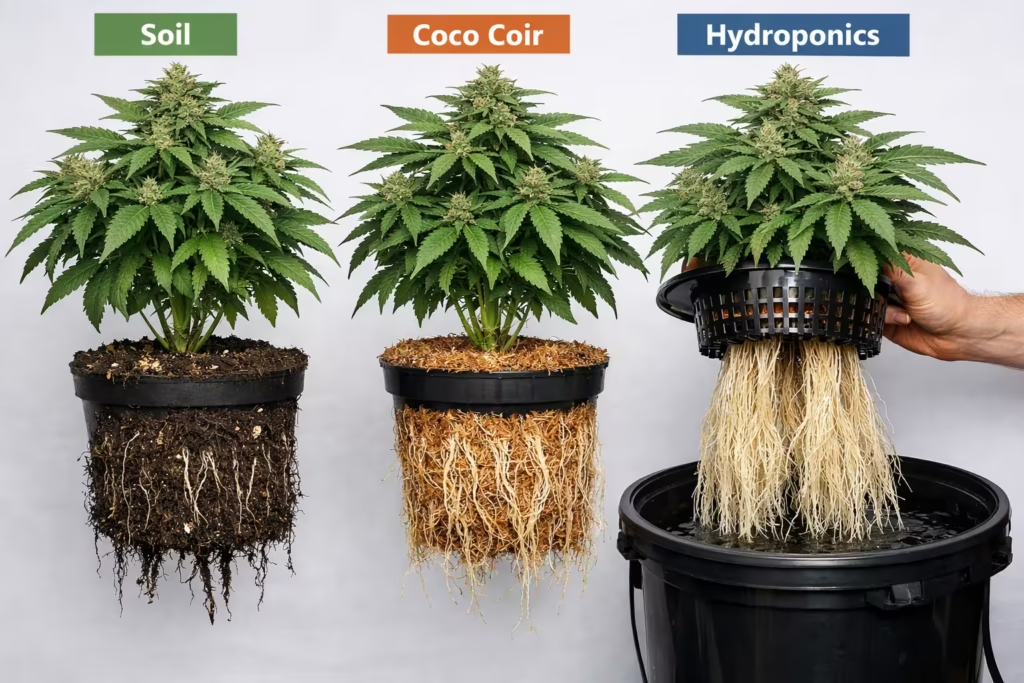
The growing medium you choose plays a major role in how much an average marijuana plant yields. While genetics and lighting set the ceiling, the medium controls root health, nutrient uptake, and growth speed, all of which directly affect final bud weight. Soil, coco coir, and hydroponics each produce different yield results, and none is “wrong” — they simply suit different grower goals and experience levels.
Soil-Grown Marijuana Yield
Soil-grown cannabis is the most traditional and forgiving method, especially for beginners. On average, a marijuana plant grown in soil yields 2 to 8 ounces per plant indoors, with much higher potential outdoors. Living soil setups can produce slightly lower yields compared to hydro, but they often deliver denser, more aromatic buds.
Organic soil grows focus on building healthy microbial life, which improves nutrient availability and root development over time. While soil plants may grow a bit slower, they’re more resilient to feeding mistakes and environmental fluctuations. Many growers prioritize soil because it produces consistent yields with excellent terpene profiles and minimal stress on the plant.
Soil yield is heavily influenced by:
- Pot size and root space
- Soil quality and aeration
- Organic vs synthetic nutrients
- Watering practices
Coco Coir Yield Comparison
Coco coir sits right between soil and hydroponics in terms of yield and control. Marijuana plants grown in coco typically yield 10–20% more than soil-grown plants when fed correctly. Coco allows faster root growth, better oxygenation, and more precise nutrient control, which translates into stronger vegetative growth and heavier flowering.
Because coco is technically a soilless medium, it requires more attention to feeding schedules and pH management. However, growers who dial it in often see impressive results, especially indoors. Coco-grown cannabis responds very well to training techniques like topping and LST, making it a popular choice for yield-focused home growers.
Coco is ideal if you want:
- Faster growth than soil
- Higher yield potential
- More control without full hydro complexity
Hydroponic Marijuana Yield
Hydroponic systems generally produce the highest marijuana yields per plant, often outperforming soil and coco by a noticeable margin. In optimized hydro setups, indoor cannabis plants can yield 20–30% more than soil-grown plants due to constant access to oxygen and nutrients.
Hydroponics allows roots to absorb nutrients directly from water, accelerating growth and bud development. Systems like DWC, NFT, and ebb-and-flow can push plants hard, resulting in larger flowers and heavier harvests. However, hydro also has the smallest margin for error. pH swings, pump failures, or nutrient imbalances can quickly reduce yield if not addressed immediately.
Hydro is best suited for:
- Experienced growers
- Controlled indoor environments
- Growers chasing maximum yield efficiency
Which Growing Medium Produces the Best Yield?
From a purely yield-focused perspective, hydroponics > coco > soil. But yield alone doesn’t tell the whole story. Soil grows offer simplicity and flavor, coco balances speed and control, and hydro delivers maximum production when managed correctly.
For most growers, the “best” medium is the one they can manage consistently. A healthy, stress-free plant in soil will always outperform a struggling plant in hydro. Choose the medium that fits your skill level, time commitment, and long-term growing goals — and the yields will follow.
What Factors Affect Marijuana Plant Yield?
When it comes to how much an average marijuana plant yields, no single factor works alone. Yield is the result of several elements stacking together throughout the grow cycle. Even strong genetics won’t perform well if the environment or care is off. Experienced growers know that yield is built gradually, from root development in veg to bud stacking in flower.
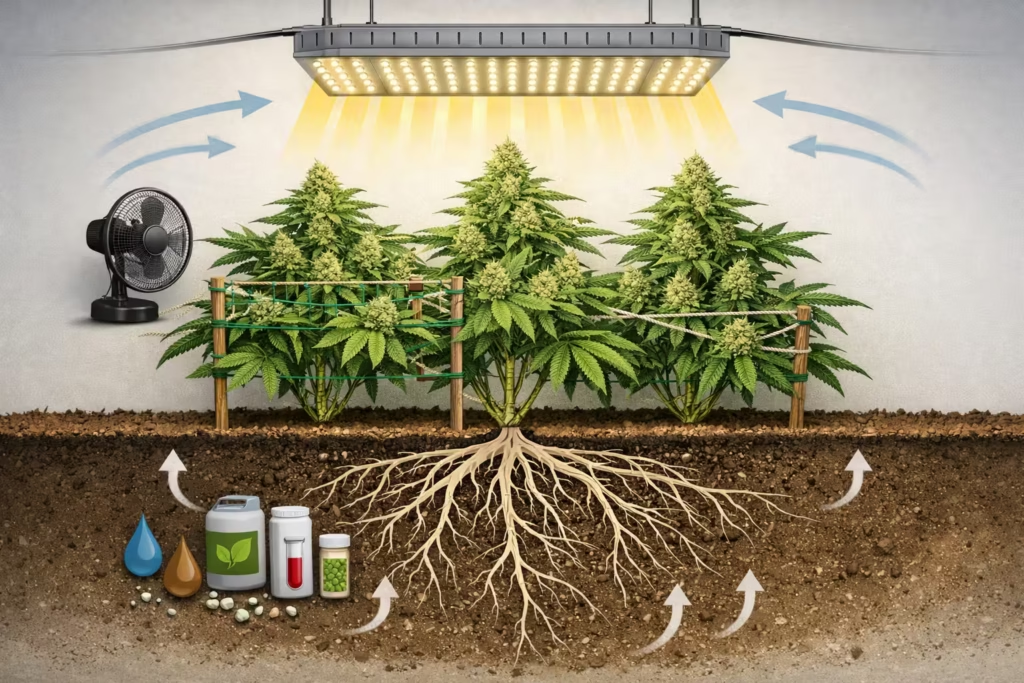
Below are the most important factors that directly influence marijuana plant yield.
Genetics and Cannabis Strain
Genetics set the yield ceiling. Some strains are bred specifically for high yields, while others prioritize flavor, potency, or resin production. Indica-dominant and hybrid strains often produce denser buds, while some sativa-dominant strains grow taller with lighter flowers.
High-yield strains tend to:
- Develop multiple bud sites
- Respond well to training
- Tolerate heavier feeding
- Produce thick colas under strong light
Even perfect conditions can’t turn a low-yield genetic into a heavy producer, so starting with quality seeds or clones matters.
Light Intensity and Light Schedule
Light is the engine of yield, especially indoors. Strong, evenly distributed light increases photosynthesis, leading to faster growth and heavier buds. Inadequate light results in airy flowers and reduced harvest weight.
Key lighting factors include:
- Proper PPFD levels
- Full canopy coverage
- Correct light distance
- Consistent light schedule
Photoperiod plants benefit from an optimized 18/6 veg cycle and a strict 12/12 flowering cycle, while autoflowers rely on long daily light exposure to maximize yield.
Pot Size and Root Space
Roots drive growth. If roots are restricted, yield will be too. Marijuana plants grown in small containers often become root-bound, limiting nutrient uptake and overall size.
Larger pots allow:
- Stronger root systems
- Better water retention
- Higher nutrient absorption
- Bigger plants and more bud sites
Outdoor plants grown directly in the ground almost always outperform container-grown plants because of unrestricted root expansion.
Nutrients and Feeding Practices
Proper nutrition fuels bud development. Cannabis needs different nutrient ratios during veg and flower, and mistakes here directly impact yield.
Common yield-related nutrient issues include:
- Nitrogen deficiency during veg
- Phosphorus and potassium shortages during flower
- Overfeeding causing nutrient burn
- pH imbalance locking out nutrients
Balanced feeding, correct pH, and avoiding stress are key to maintaining steady growth and maximizing final bud weight.
Plant Training Techniques
Training is one of the most powerful tools for increasing marijuana yield. Techniques like topping, low-stress training (LST), SCROG, and mainlining help create an even canopy and expose more bud sites to light.
Proper training:
- Redirects growth hormones
- Improves light penetration
- Increases cola count
- Produces more uniform buds
Untrained plants often grow tall with a single dominant cola, while trained plants spread energy across multiple productive branches.
Environmental Conditions
Temperature, humidity, airflow, and CO₂ levels all influence yield. Stress from heat, cold, or poor airflow slows growth and reduces bud density.
Ideal conditions promote:
- Strong transpiration
- Efficient nutrient uptake
- Healthy leaf function
- Reduced pest and mold risk
Maintaining stable conditions throughout the grow helps plants focus energy on flower production instead of stress recovery.
Grower Experience and Consistency
Finally, experience matters. Beginners often see lower yields simply because cannabis has a learning curve. As growers learn how to read plants, adjust feeding, and prevent stress, yields improve naturally with each grow.
Consistent care, patience, and attention to detail turn average yields into above-average harvests over time.
In short, marijuana yield isn’t about one magic trick. It’s about stacking smart decisions from seed to harvest. When genetics, lighting, roots, nutrition, training, and environment all work together, plants reward growers with heavier, healthier harvests.
How to Increase Marijuana Yield Per Plant
Increasing marijuana yield per plant isn’t about chasing shortcuts or miracle products. From a grower’s perspective, higher yields come from consistent fundamentals done right. When you stack good genetics, proper lighting, healthy roots, and smart training, your plants naturally produce more buds with better density and weight.
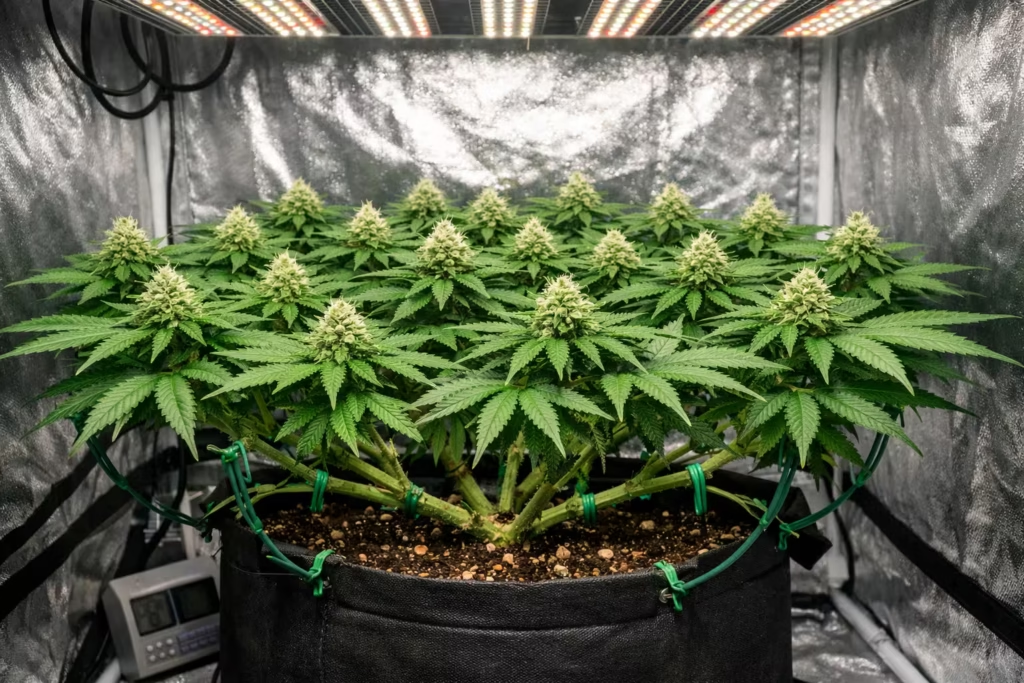
Here are the most effective, proven ways growers increase cannabis yield without stressing plants or sacrificing quality.
Start With High-Yield Genetics
Yield begins with genetics. Some cannabis strains are simply bred to produce more flower mass than others. High-yield strains tend to have strong lateral branching, tight internodal spacing, and a natural response to training techniques.
Choosing quality seeds or clones from reputable breeders gives you a higher yield ceiling from day one. No amount of skill can turn poor genetics into a heavy producer, but strong genetics make everything else more effective.
Maximize Light Efficiency
Light is the biggest yield driver, especially indoors. Increasing marijuana yield often comes down to how efficiently plants use available light, not just how powerful your grow light is.
Focus on:
- Even canopy coverage
- Correct light distance
- Proper PPFD levels
- Clean reflectors or high-quality LED optics
An even canopy ensures all bud sites receive similar light intensity, preventing larfy lower buds and uneven flower development.
Extend Vegetative Growth (Photoperiod Plants)
For photoperiod cannabis, extending the vegetative stage is one of the simplest ways to increase yield. More veg time allows plants to develop:
- Larger root systems
- Thicker stems
- More branches and bud sites
Rushing plants into flower limits their final size and reduces total yield. A healthy, well-structured plant entering bloom always outperforms a small, underdeveloped one.
Use Proven Plant Training Techniques
Training dramatically increases yield by improving light distribution and redirecting growth hormones. Techniques like topping, low-stress training (LST), SCROG, and mainlining help turn one main cola into multiple productive colas.
Well-trained plants:
- Produce more bud sites
- Develop uniform flower size
- Avoid shaded lower growth
- Use light more efficiently
The key is gentle, early training and allowing recovery time. Overtraining or late-stage stress can reduce yield instead of increasing it.
Optimize Pot Size and Root Health
Healthy roots equal bigger yields. Plants grown in undersized containers become root-bound, limiting nutrient uptake and overall growth.
Increasing pot size allows:
- Greater root expansion
- Better water and nutrient absorption
- Stronger vegetative growth
- Larger flowers in bloom
Whether growing in soil, coco, or hydro, giving roots enough space is one of the most overlooked yield boosters.
Feed Properly, Not Excessively
More nutrients don’t automatically mean more yield. Overfeeding causes nutrient burn, slows growth, and stresses plants during critical stages.
To increase yield safely:
- Use stage-appropriate nutrient ratios
- Maintain proper pH
- Avoid salt buildup
- Focus on consistency over strength
Healthy, well-fed plants stack buds steadily throughout flower, while stressed plants stall or produce airy flowers.
Control the Environment
Stable environmental conditions allow plants to focus energy on flower production instead of stress response. Temperature swings, poor airflow, or high humidity can all reduce yield.
Dial in:
- Proper temperature ranges
- Balanced humidity levels
- Strong but gentle airflow
- Clean, pest-free grow space
Even small improvements in environment often lead to noticeable yield gains over time.
Harvest at the Right Time
Harvesting too early is one of the most common yield mistakes. Letting buds fully mature allows calyxes to swell and flowers to reach maximum weight.
Watching trichome development instead of rushing harvest ensures you collect both full yield and peak quality.
Increasing marijuana yield per plant is about patience, balance, and consistency. When plants are healthy, stress-free, and given time to develop, higher yields become a natural result—not a gamble.
Common Mistakes That Reduce Cannabis Yield
Even with good genetics and decent equipment, small mistakes can quietly destroy marijuana plant yield. Most low yields aren’t caused by one big failure, but by repeated stress and mismanagement throughout the grow. Experienced growers learn that avoiding these mistakes is just as important as adding yield-boosting techniques.
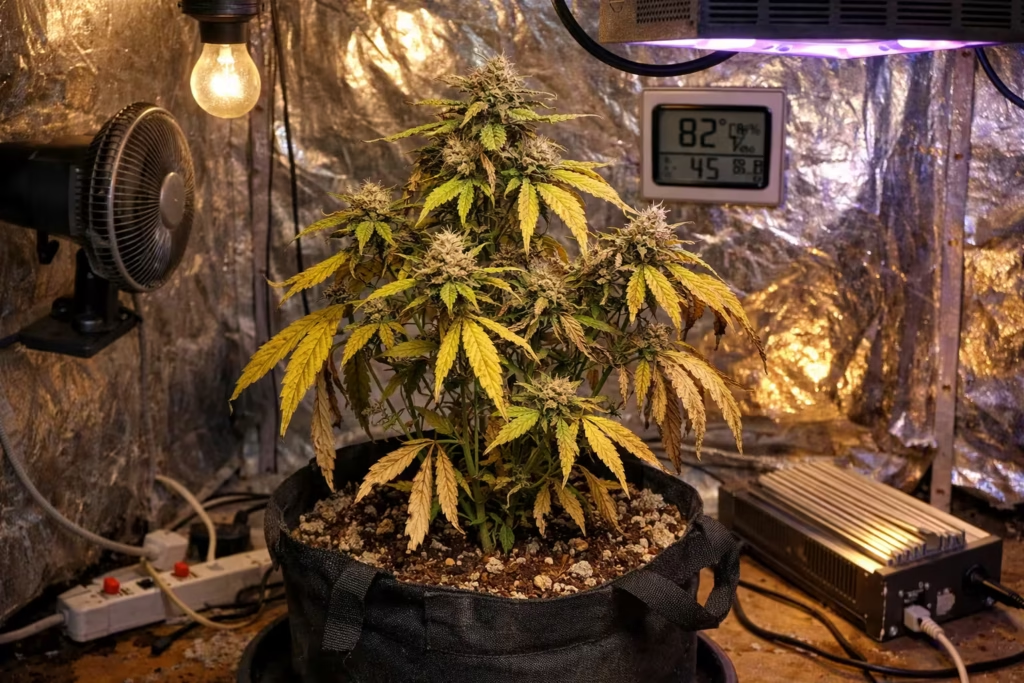
Here are the most common errors that reduce cannabis yield and how growers accidentally sabotage their own harvests.
Harvesting Too Early
One of the biggest yield killers is impatience. Harvesting before buds fully mature results in lighter flowers, smaller calyxes, and lower overall dry weight. Many plants still pack on significant mass in the final 1–2 weeks of flowering.
Cutting early means:
- Less bud swelling
- Reduced density
- Lower final yield after drying
Waiting until trichomes are mostly cloudy with some amber allows buds to reach full size and weight.
Poor or Inadequate Lighting
Light drives photosynthesis, and weak lighting leads to weak yields. Using underpowered grow lights, poor coverage, or incorrect light distance often results in airy buds and larfy lower growth.
Common lighting mistakes include:
- Too little light intensity
- Uneven canopy coverage
- Lights placed too far or too close
- Old or inefficient fixtures
Even great nutrients can’t compensate for insufficient light.
Overwatering and Root Stress
Overwatering is a classic beginner mistake and a major cause of reduced yield. Cannabis roots need oxygen, and constantly wet soil suffocates them, slowing growth and nutrient uptake.
Signs of overwatering include:
- Drooping leaves
- Slow growth
- Pale or yellowing foliage
Healthy roots are the foundation of yield. Poor root health equals poor harvests.
Using the Wrong Pot Size
Small containers restrict root development, leading to root-bound plants that can’t support heavy flowering. When roots hit the container walls too early, overall plant size and yield suffer.
Plants grown in undersized pots:
- Stay smaller
- Produce fewer bud sites
- Dry out faster
- Show nutrient issues more often
Bigger root zones almost always translate to bigger yields.
Overfeeding and Nutrient Burn
More nutrients do not equal more buds. Overfeeding causes nutrient burn, locks out essential minerals, and stresses plants during key growth stages.
Yield-reducing feeding mistakes include:
- Excess nitrogen in flower
- Salt buildup in the medium
- Incorrect pH levels
- Inconsistent feeding schedules
Balanced, consistent feeding always outperforms aggressive nutrient loading.
Ignoring Plant Training
Letting cannabis plants grow naturally without training often results in a single dominant cola and shaded lower branches. This limits light exposure and reduces total bud production.
Without training:
- Light penetration suffers
- Lower buds stay small
- Yield potential isn’t fully used
Simple techniques like topping and LST can dramatically increase yield when done early and gently.
Poor Environmental Control
Temperature swings, high humidity, weak airflow, or stagnant air all stress plants and reduce yield. Stress forces cannabis to focus on survival instead of flower production.
Environmental issues often cause:
- Slower growth
- Smaller buds
- Increased risk of mold and pests
Stable conditions allow plants to dedicate energy to stacking weight.
Stress During Flowering
Late-stage stress is especially damaging. Heavy pruning, transplanting, or major changes during flowering can stall bud development and reduce final yield.
Once flowering begins, plants should be kept stable and stress-free to allow uninterrupted bud growth.
Most yield problems come from avoidable mistakes, not bad luck. When growers focus on consistency, patience, and plant health, average yields quickly turn into solid, repeatable harvests.
How Much Can a Beginner Expect to Yield?
For first-time growers, it’s important to set realistic expectations when it comes to marijuana plant yield. Most beginners won’t hit the high-end numbers they see online, and that’s perfectly normal. On average, a beginner can expect to yield 1 to 4 ounces (28–113 grams) of dried buds per plant, depending on setup, plant type, and growing conditions.
Early grows are more about learning the plant than maximizing harvest weight. New growers are still dialing in basics like watering schedules, nutrient strength, light distance, and environmental control. Small mistakes during veg or early flower often limit plant size, which directly affects final yield.
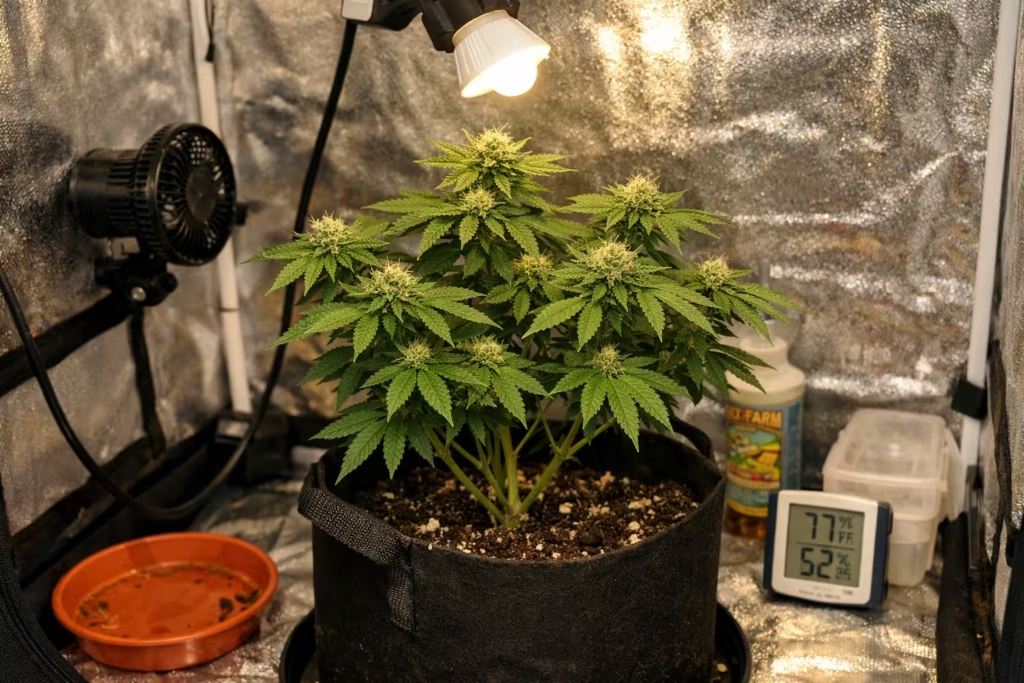
Indoor beginner growers usually see lower yields per plant because of limited space, smaller pots, and conservative feeding. Many first-time indoor plants stay compact and finish with lighter harvests, especially if no training is used. However, even modest indoor yields can still be very rewarding because of the quality and freshness of homegrown buds.
Outdoor beginners may see higher yields than indoor growers simply because plants have access to full sunlight and more root space. Even then, factors like late planting, pests, weather stress, or early harvests can reduce final bud weight. A beginner outdoor grow might yield anywhere from 4 ounces to over a pound per plant, depending on how early the plant was started and how long the season lasts.
One thing nearly all beginners experience is yield improvement with each grow. As growers learn how cannabis responds to topping, low-stress training, proper feeding, and stable environments, yields naturally increase. What starts as a 2-ounce plant can easily turn into a 6-ounce plant after a few successful cycles.
The key takeaway for beginners is this: don’t chase yield on your first grow. Focus on keeping plants healthy, stress-free, and alive from seed to harvest. Strong fundamentals build confidence, and confidence builds better yields over time.
Every experienced grower started with a “small” first harvest. Those early lessons are what turn beginners into growers who consistently pull above-average yields.
Frequently Asked Questions (FAQs)
On average, one marijuana plant produces 56 to 280 grams (2 to 10 ounces) of dried buds. Smaller indoor plants and autoflowers usually fall on the lower end, while well-grown photoperiod plants, especially outdoors, can produce much more. Genetics, light, pot size, and training all play a big role in final gram count.
An indoor weed plant typically yields 2 to 6 ounces (56–170 grams). Beginner growers often harvest less, while experienced growers using strong LED lights, proper training, and good environmental control can push yields higher. Indoor growers often measure success by grams per square meter or grams per watt, not just per plant.
Outdoor marijuana plants generally yield more than indoor plants. A single outdoor plant can produce 1 to 3 pounds, and in ideal conditions, even more. Factors like long growing seasons, full sunlight, planting in the ground, and proper feeding dramatically increase outdoor yields.
Yes, one marijuana plant can yield a pound or more, but this usually requires outdoor growing or a long vegetative period indoors. Large root space, high-yield genetics, strong light, and proper training are essential. It’s uncommon for small indoor plants or autoflowers to reach a full pound.
High-yield cannabis strains are bred to produce more bud mass and respond well to training. While yields vary by grow style, strains labeled as high-yielding hybrids or indica-dominant varieties typically outperform others. Keep in mind that even high-yield strains won’t perform well without proper lighting, nutrients, and care.
Yes, topping can increase yield when done correctly. Topping removes the main growth tip, encouraging the plant to grow multiple main colas instead of one. This improves light distribution and increases the number of productive bud sites, leading to higher overall yield when combined with good lighting and recovery time.
A marijuana plant reaches full yield at harvest, which depends on plant type and growing method. Autoflowers typically finish in 8–12 weeks, while photoperiod plants take longer due to vegetative and flowering stages. Outdoor plants usually reach full yield at the end of the growing season, often in early to mid-fall.