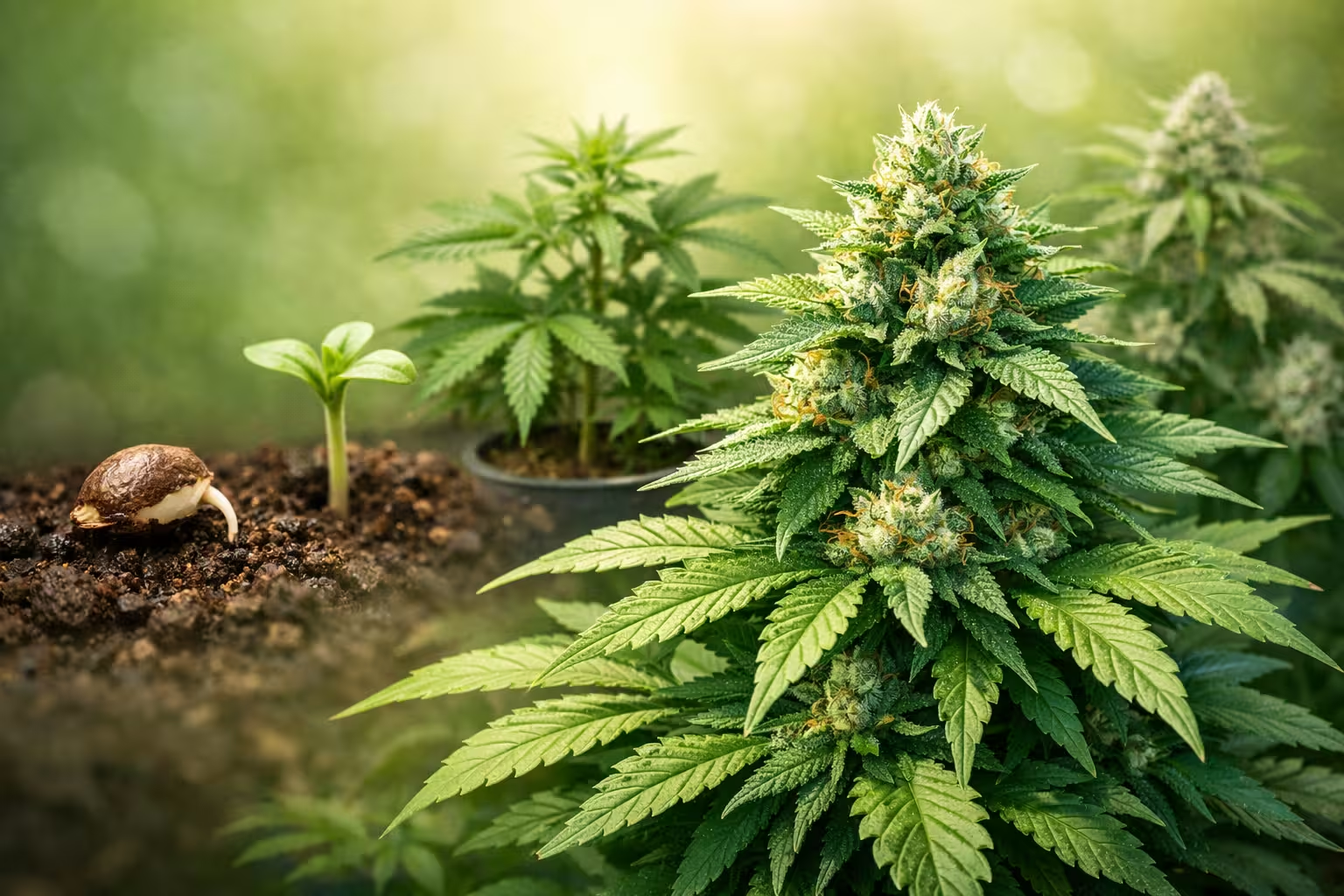
Growing your own weed plant can feel overwhelming at first, especially if you’re a beginner with no prior experience. You might be wondering where to start, what equipment you actually need, or whether growing cannabis is even difficult. The good news is that learning how to grow a weed plant is much simpler than most people think when you understand the basics and follow the right steps from the beginning.
A weed plant grows through a natural life cycle that starts with a seed and ends at harvest. By providing the right soil, light, water, nutrients, and environment at each stage, you can grow healthy cannabis plants whether you choose to grow indoors or outdoors. This guide is written in a practical, grower-friendly way to help beginners avoid common mistakes and build confidence as their plants develop.
In this complete step-by-step beginner’s guide, you’ll learn everything you need to know about how to grow a weed plant from seed to harvest. We’ll cover cannabis plant basics, required supplies, growth stages, indoor and outdoor growing methods, watering and feeding tips, common problems, and harvesting techniques. By the end of this guide, you’ll have a clear roadmap to growing your own weed plant successfully and responsibly.
A weed plant can be grown successfully by choosing the right seed, preparing proper soil, providing adequate light, watering correctly, and managing each growth stage from germination to harvest. Whether growing indoors or outdoors, understanding plant needs is key to healthy cannabis growth.
What Is a Weed Plant? (Cannabis Basics for Beginners)
Before you learn how to grow a weed plant successfully, it’s important to understand what a weed plant actually is and how it behaves. In simple terms, a weed plant is the cannabis plant, a fast-growing, light-loving species that responds directly to its environment. When growers say cannabis is “forgiving,” they mean that with basic care, the plant can thrive even in beginner setups. But when conditions are dialed in correctly, the same plant can produce dense, aromatic, high-quality buds.
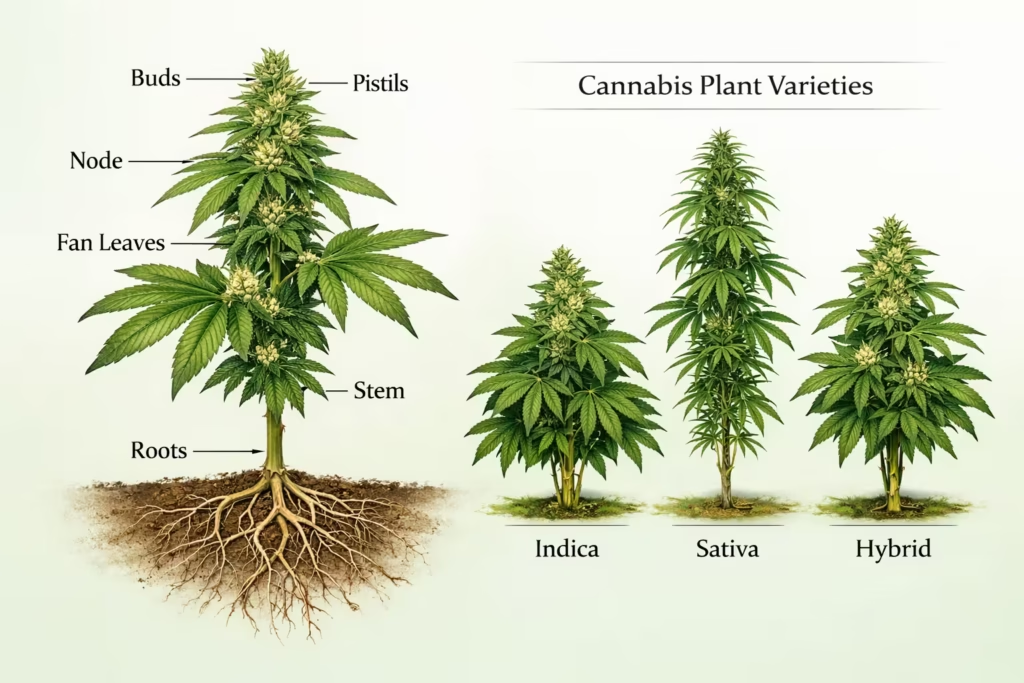
Cannabis has been cultivated for thousands of years for medicinal, recreational, and industrial purposes. Today, home growers focus mainly on cultivating female cannabis plants because they produce the resin-rich flowers, commonly known as buds. Understanding the plant’s basic structure, types, and sex will help you make smarter decisions from seed selection to harvest.
Cannabis Sativa vs Indica vs Hybrid
Cannabis plants are generally classified into three main types: Sativa, Indica, and Hybrid. While modern genetics blur the lines between these categories, they’re still useful for beginners.
Sativa plants tend to grow tall with long, thin leaves and stretch more during the vegetative stage. They usually take longer to flower and are better suited for outdoor growing or indoor setups with plenty of vertical space.
Indica plants are shorter, bushier, and have broader leaves. They flower faster and are often preferred by beginner growers, especially for indoor grows where height control matters.
Hybrid plants are a mix of both Sativa and Indica genetics. Most cannabis strains available today are hybrids, bred to combine manageable growth patterns with strong yields and resilience. For first-time growers, hybrid strains are often the easiest to grow and maintain.
Male vs Female Weed Plants (Why Females Matter)
One of the most important cannabis basics for beginners is understanding plant sex. Cannabis plants grow as either male or female, and only female plants produce smokable buds.
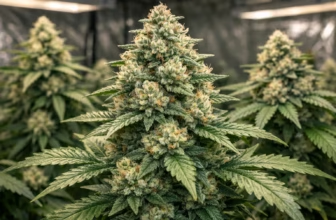
Female weed plants develop small white hairs called pistils at their nodes during early flowering. These pistils later turn into dense buds coated with trichomes.
Male weed plants, on the other hand, produce pollen sacs instead of buds. If a male plant releases pollen, it can fertilize female plants, causing them to produce seeds instead of high-quality flowers.
For this reason, most beginners start with feminized seeds, which are bred to produce only female plants. This removes the stress of identifying and removing males and helps ensure a successful harvest.
Is It Legal to Grow Weed Where You Live?
Before growing a weed plant, always check your local cannabis laws. Cannabis growing laws vary widely depending on your country, state, or region. Some areas allow a limited number of plants for personal use, while others restrict or prohibit cultivation entirely.
As a responsible grower, it’s important to understand plant limits, indoor vs outdoor rules, and whether cannabis must be grown out of public view. Staying informed not only keeps you compliant but also helps protect the future of home growing in your area.
What You Need to Grow a Weed Plant Successfully
Growing a healthy weed plant doesn’t require expensive or complicated equipment, especially if you’re just starting out. As a grower, your main goal is to recreate the natural conditions that cannabis plants love: good soil, proper light, clean water, fresh air, and consistent care. When these basics are in place, a weed plant can grow strong, resilient, and productive.
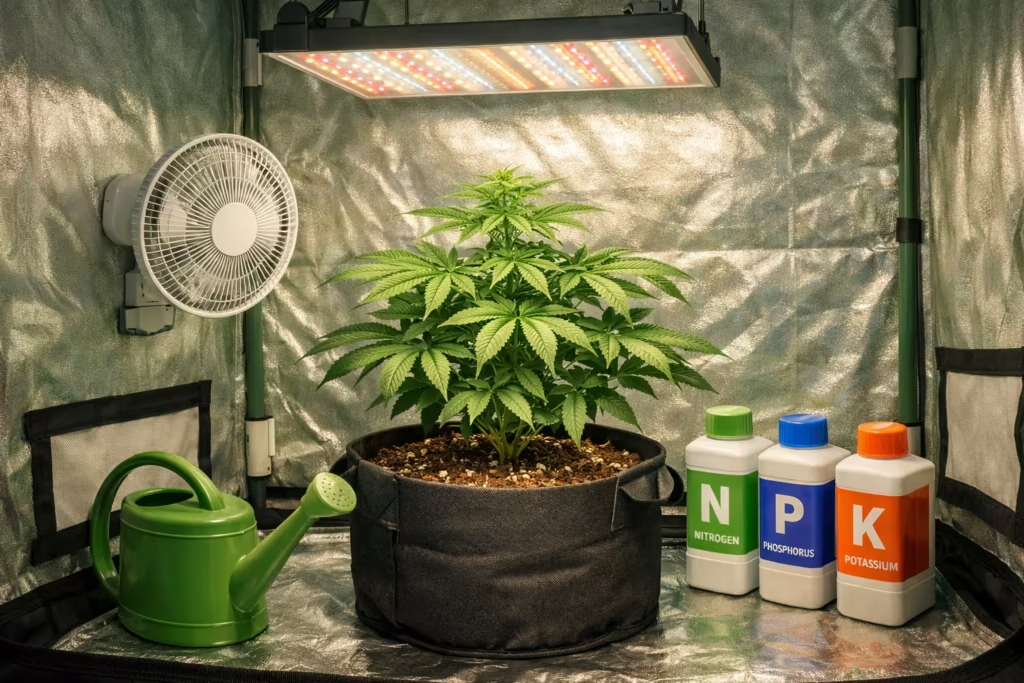
Whether you plan to grow indoors or outdoors, understanding the essential supplies will save you time, money, and frustration. Many beginner mistakes happen not because cannabis is hard to grow, but because growers either over-complicate the setup or skip the fundamentals.
Seeds vs Clones – Which Is Better for Beginners?
When starting a weed plant, you’ll need either cannabis seeds or clones.
Seeds are the most common choice for beginners. They are easy to store, widely available, and less prone to pests or disease. Feminized weed seeds are highly recommended because they almost always grow into female plants, which produce buds.
Clones are cuttings taken from an existing female cannabis plant. While clones grow faster and maintain the same genetics, they require more experience and careful handling. For first-time growers, starting from seed is usually the safest and simplest option.
Best Soil for Growing a Weed Plant
Soil plays a huge role in how well your weed plant grows. Cannabis prefers light, airy, well-draining soil that allows roots to breathe and expand freely.
A good cannabis soil should:
- Drain excess water easily
- Hold enough moisture without becoming soggy
- Contain organic matter or nutrients
Many growers use pre-mixed cannabis soil or living soil designed specifically for weed plants. These soils often include compost, perlite, and beneficial microbes that support healthy root development. Avoid heavy garden soil, as it can compact easily and stunt plant growth.
Light Requirements (Sunlight vs Grow Lights)
Light is the engine that drives cannabis growth. Without enough light, a weed plant will stretch, weaken, and produce poor yields.
- Outdoor weed plants rely on direct sunlight. Choose a spot that receives at least 6–8 hours of full sun daily.
- Indoor weed plants require grow lights. LED grow lights are popular among beginners because they are energy-efficient, produce less heat, and provide a full light spectrum.
Proper light intensity and distance are critical. Too little light slows growth, while lights placed too close can stress or burn the plant.
Water, Airflow, and Temperature Basics
Cannabis plants like a balanced environment. Overwatering is one of the most common beginner mistakes when growing weed.
- Water only when the top inch of soil feels dry
- Use containers with drainage holes
- Avoid letting plants sit in standing water
Fresh air and gentle airflow strengthen stems and reduce the risk of mold or pests. Ideal temperatures for a weed plant usually range between 70–85°F (21–29°C) during the day, with slightly cooler nights.
Nutrients and Fertilizers Explained Simply
As a weed plant grows, it needs nutrients to fuel leaf development, root growth, and flower production. The three main nutrients are nitrogen (N), phosphorus (P), and potassium (K).
- Vegetative stage: Higher nitrogen for leafy growth
- Flowering stage: More phosphorus and potassium for bud development
Beginners often do best with organic nutrients, as they are more forgiving and improve soil health over time. Overfeeding nutrients can damage roots, so it’s always better to start light and increase gradually.
How to Grow a Weed Plant from Seed (Step-by-Step)
Growing a weed plant from seed is one of the most rewarding ways to learn cannabis cultivation. Starting from seed allows you to watch the full life cycle of the cannabis plant unfold, from a tiny taproot to a mature, flowering plant. For beginners, seeds are also more forgiving, cleaner, and easier to manage than clones.
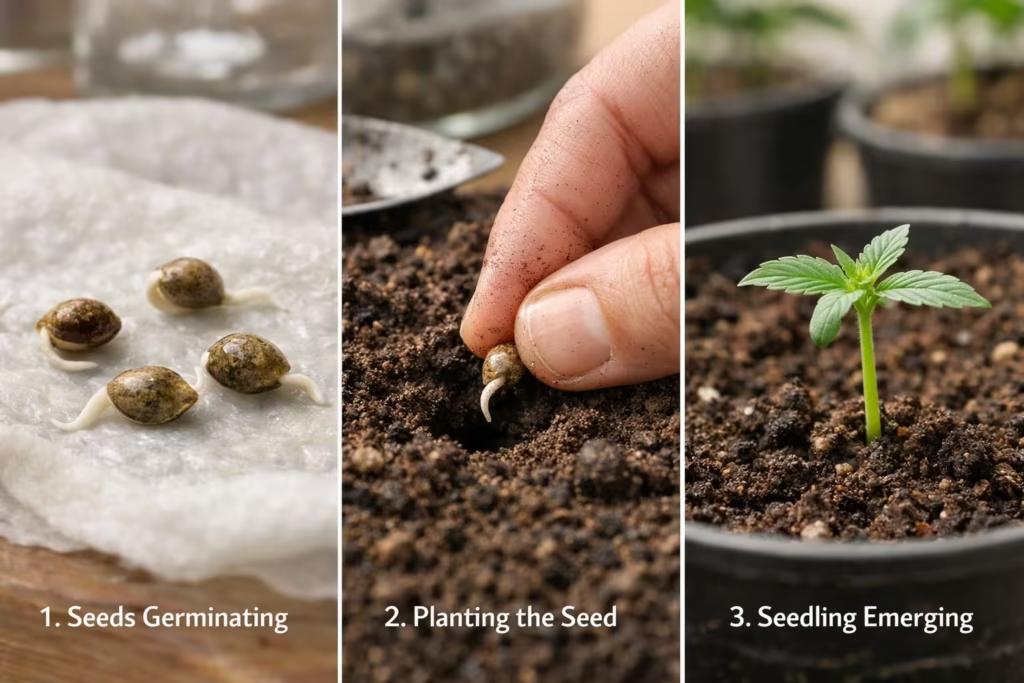
When grown correctly, cannabis seeds produce stronger root systems and healthier plants that can better handle stress, pests, and environmental changes. Below is a simple, grower-approved, step-by-step method to help you grow a weed plant from seed the right way.
How to Germinate Weed Seeds (Paper Towel & Soil Methods)
Germination is the process where a cannabis seed cracks open and sends out a taproot. This is the very first stage of growing a weed plant.
Paper towel method (most popular):
- Place your weed seeds between two damp (not dripping) paper towels
- Put the towels between two plates or inside a plastic container
- Store in a warm, dark place (70–80°F / 21–27°C)
- Check daily and keep towels moist
Within 24–72 hours, you should see a small white taproot emerge.
Direct soil method:
Some growers prefer planting seeds directly into soil. Simply place the seed about ½ inch deep into moist soil with the pointed end facing down. Keep the soil warm and lightly moist until the seed sprouts.
Both methods work well, but beginners often prefer the paper towel method because it confirms the seed is viable before planting.
Planting the Seed Correctly
Once the taproot appears, it’s time to plant your germinated seed.
- Use a small starter pot or seedling cup with drainage holes
- Fill with light, airy cannabis soil
- Make a small hole about ½ inch deep
- Gently place the seed taproot-down
- Cover lightly with soil and mist with water
Avoid pressing the soil too firmly. Cannabis roots need oxygen, and compacted soil can slow early growth. Place the pot under gentle light or indirect sunlight and maintain consistent moisture.
Seedling Stage Care and Common Mistakes
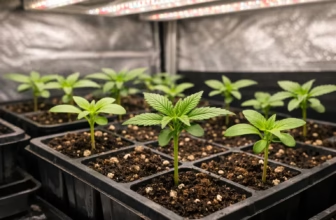
The seedling stage begins when the sprout breaks through the soil and develops its first leaves. These early leaves are called cotyledons, followed by true cannabis fan leaves.
During this stage:
- Keep light gentle and not too close
- Maintain warm temperatures (70–80°F)
- Water lightly and avoid soaking the soil
- Ensure good airflow without strong wind
Common beginner mistakes include overwatering, using strong nutrients too early, or exposing seedlings to intense light. At this stage, less is more. A healthy weed seedling should appear upright, green, and steadily growing.
After 2–3 weeks, your seedling will transition into the vegetative stage, where growth speeds up and the plant becomes more resilient.
Weed Plant Growth Stages Explained (Seed to Harvest)
Understanding the weed plant growth stages is one of the most important lessons for any cannabis grower. Each stage of the cannabis life cycle has different needs when it comes to light, water, nutrients, and care. When you treat your plant according to its growth stage, you avoid common problems and set yourself up for a healthy harvest.
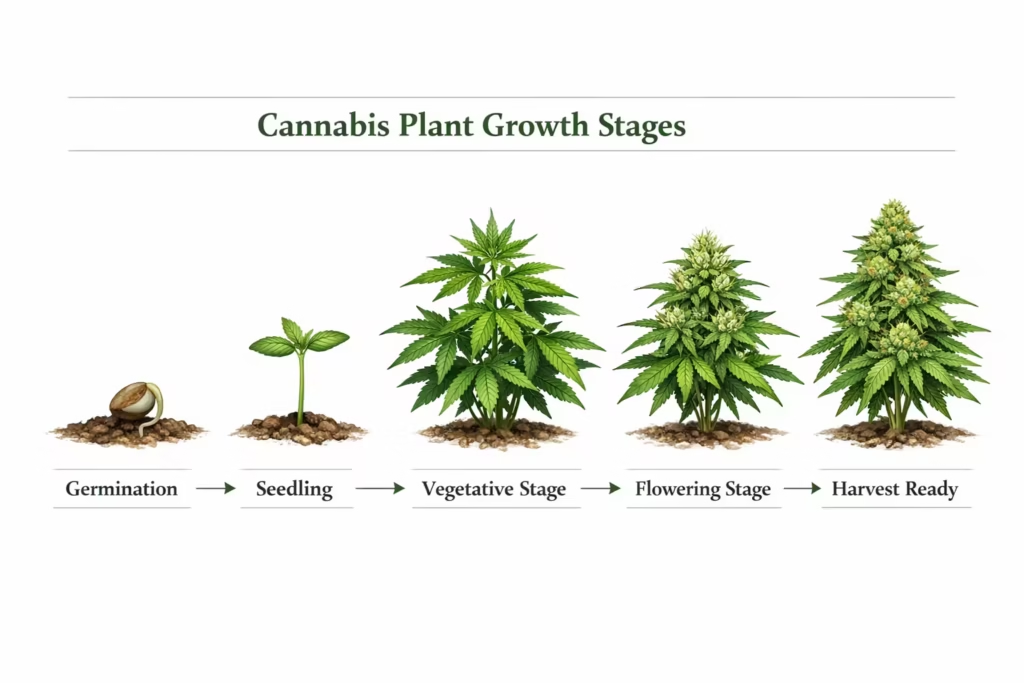
A weed plant grows in a predictable cycle, starting from germination and ending at harvest. While exact timing varies by strain, environment, and whether you’re growing indoors or outdoors, the stages themselves remain the same.
Germination Stage (Days 1–7)
The germination stage begins the moment your weed seed cracks open and sends out a taproot. This root anchors the plant and starts absorbing water and oxygen. At this stage, the seed contains all the energy it needs to sprout.
During germination:
- Keep seeds warm and moist, not soaked
- Avoid direct, intense light
- Maintain stable temperatures
Once the sprout breaks through the soil surface, germination is complete, and the plant moves into the seedling stage. A successful germination sets the foundation for strong root development and healthy growth later on.
Seedling Stage (Weeks 1–3)
The seedling stage starts when the young weed plant develops its first true fan leaves. This is one of the most delicate phases of cannabis growth. Seedlings are small but highly sensitive to environmental stress.
At this stage:
- Use gentle lighting or indirect sunlight
- Water lightly and allow soil to dry slightly between watering
- Avoid nutrients or use only very mild feeding
Healthy cannabis seedlings have bright green leaves, short internodes, and upright stems. Overwatering, excessive nutrients, or intense light are the most common mistakes growers make during this phase.
Vegetative Stage (Weeks 3–8)
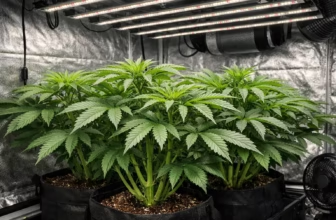
The vegetative stage is when a weed plant grows rapidly and builds its structure. Leaves get larger, stems thicken, and the root system expands aggressively. This stage determines how big and productive the plant will become.
Key needs during vegetative growth:
- Longer light exposure (18–24 hours indoors)
- Nitrogen-rich nutrients
- Consistent watering and airflow
This is also the best time for beginner-friendly training techniques like low-stress training (LST) or topping. A healthy weed plant in veg will look bushy, vibrant, and fast-growing.
Flowering Stage (Bud Development)
The flowering stage begins when light exposure changes. Outdoors, this happens naturally as days get shorter. Indoors, growers switch to a 12 hours light / 12 hours dark cycle.
During flowering:
- The plant stops vertical growth and focuses on bud production
- Female plants develop pistils and resin-rich flowers
- Nutrient needs shift toward phosphorus and potassium
This stage can last 6–10 weeks depending on strain genetics. Maintaining stable temperature, humidity, and darkness during the dark cycle is critical. Any light leaks or stress can reduce yield or cause problems.
How Long Does It Take to Grow a Weed Plant?
On average, it takes 3 to 5 months to grow a weed plant from seed to harvest. Autoflower strains grow faster, often finishing in 8–10 weeks, while photoperiod plants take longer but usually produce higher yields.
Factors that affect total grow time include:
- Genetics and strain type
- Indoor vs outdoor growing
- Light intensity and nutrition
- Environmental consistency
Patience during each stage pays off with better quality buds and healthier plants.
How to Grow a Weed Plant Indoors
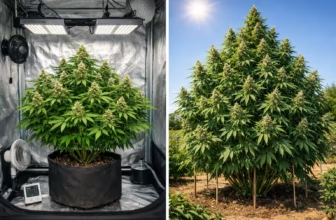
Growing a weed plant indoors gives you full control over the environment, which is why many beginners prefer indoor cannabis growing. When you grow weed indoors, you’re not dependent on weather, seasons, or outdoor pests. With the right setup and routine, indoor weed plants can grow healthier, stronger, and more consistently than outdoor plants.
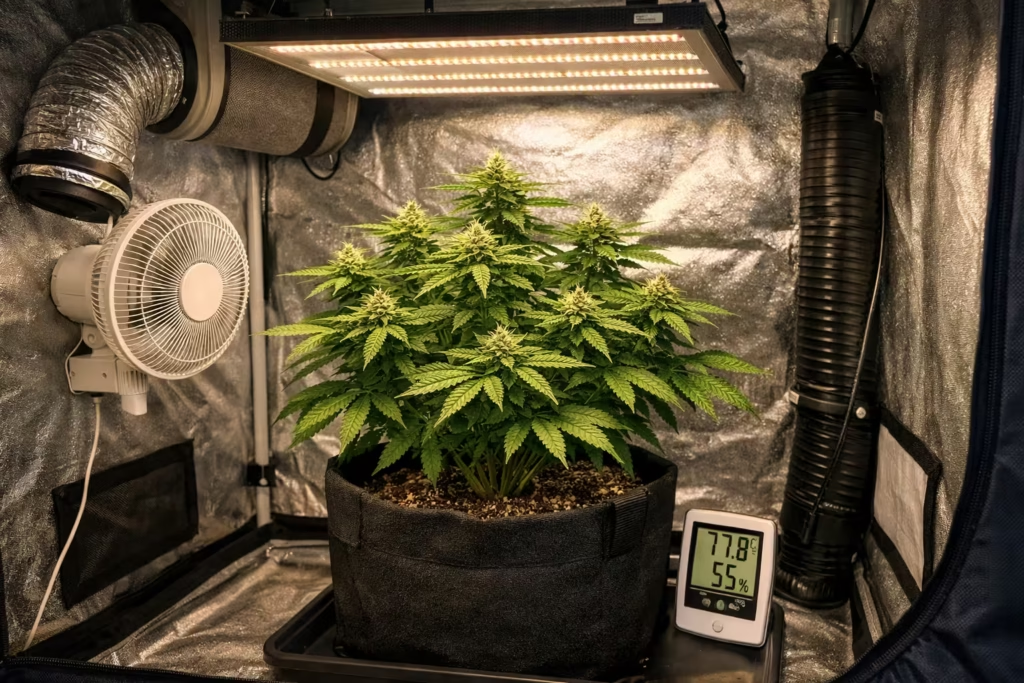
Indoor growing is all about creating the ideal conditions that cannabis plants naturally love: proper light cycles, stable temperature, good airflow, and clean nutrients. Once these basics are dialed in, growing weed indoors becomes a smooth and predictable process.
Best Indoor Setup for Beginners
A beginner-friendly indoor weed growing setup doesn’t have to be expensive or complicated. The goal is to create a small, controlled space where your cannabis plant can thrive.
Most beginners use:
- A grow tent to control light and airflow
- Fabric or plastic pots with drainage holes
- Quality cannabis soil or living soil
- An LED grow light suited to plant size
- A small oscillating fan for airflow
Grow tents help trap light, control humidity, and keep smells contained. Fabric pots are especially popular because they improve root oxygenation and prevent overwatering issues.
Light Cycles for Indoor Weed Plants
Light is the most critical factor when growing a weed plant indoors. Cannabis is a photoperiod plant, meaning its growth stages are controlled by light exposure.
- Vegetative stage:
18–24 hours of light per day - Flowering stage:
12 hours of light / 12 hours of complete darkness
LED grow lights are ideal for beginners because they produce less heat, use less electricity, and provide a full-spectrum light that supports all growth stages. Always hang your grow light at the recommended distance to avoid light stress or burning leaves.
Controlling Temperature and Humidity Indoors
Indoor cannabis plants thrive in a stable environment. Sudden temperature swings or high humidity can lead to stress, mold, or pests.
Ideal ranges for indoor weed plants:
- Temperature: 70–85°F (21–29°C)
- Humidity:
- Seedling: 60–70%
- Vegetative: 50–60%
- Flowering: 40–50%
Good airflow helps regulate temperature and strengthens plant stems. Make sure fresh air enters the grow space and stale air is pushed out to prevent heat buildup.
Indoor Weed Growing Mistakes to Avoid
Many beginner indoor growers make the same mistakes early on. Avoiding these can save your grow.
Common indoor growing mistakes include:
- Overwatering plants
- Using nutrients too early or too strong
- Placing grow lights too close
- Poor airflow leading to weak stems or mold
- Inconsistent light schedules
A healthy indoor weed plant should have upright leaves, steady growth, and a vibrant green color. If something looks off, it’s usually a sign the environment needs adjustment.