Marijuana Grow House: How to Build a Safe, Efficient, and High-Yield Indoor Grow Setup


Setting up a marijuana grow house is one of the most exciting steps a home cultivator can take. Instead of relying on the weather or guessing what your plants need, you create a fully controlled indoor grow environment where every variable—light, temperature, humidity, airflow, and nutrients—works in your favor. A properly built cannabis grow house lets you run year-round harvests, dial in perfect climate control, and grow top-shelf buds that rival dispensary cannabis.
Whether you’re converting a spare room, basement, attic, or garage, the goal is the same: build a safe, efficient, odor-controlled grow space that keeps your plants thriving from seed to harvest. New growers often imagine a grow house as something complex, but in reality, it’s simply a dedicated indoor cultivation space designed to mimic the perfect outdoor season—without pests, storms, or unpredictable weather messing things up.
As cannabis growers, we know how valuable a controlled grow room setup can be. With the right LED grow lights, ventilation system, carbon filters, temperature and humidity control devices, and a clean layout, you can turn even a small area into a powerful indoor marijuana garden. And once you master your first run, each grow gets easier, stronger, and more productive.
A marijuana grow house is a dedicated indoor space designed for cultivating cannabis under controlled conditions. It typically includes LED grow lights, ventilation, carbon filters, and climate-control systems to manage temperature and humidity. A properly built grow house allows year-round harvests, protects plants from pests, and helps growers maximize yield, quality, and environmental stability.
In this guide, we’ll walk through everything you need to build a high-yield cannabis grow house, including room planning, equipment lists, climate management, layout design, odor control, and troubleshooting common issues like heat stress or mold. Whether you’re a beginner or upgrading your setup, this detailed grow house guide will help you build a space that produces big yields, frosty flower, and healthy plants every cycle.
What Is a Marijuana Grow House?
A marijuana grow house is a dedicated indoor environment built specifically for cultivating cannabis under controlled lighting, airflow, humidity, and temperature conditions. Instead of relying on unpredictable outdoor weather, a grow house gives you full command over the plant’s life cycle — from seedling to harvest — ensuring consistent yields, healthier plants, and premium-quality buds every run.
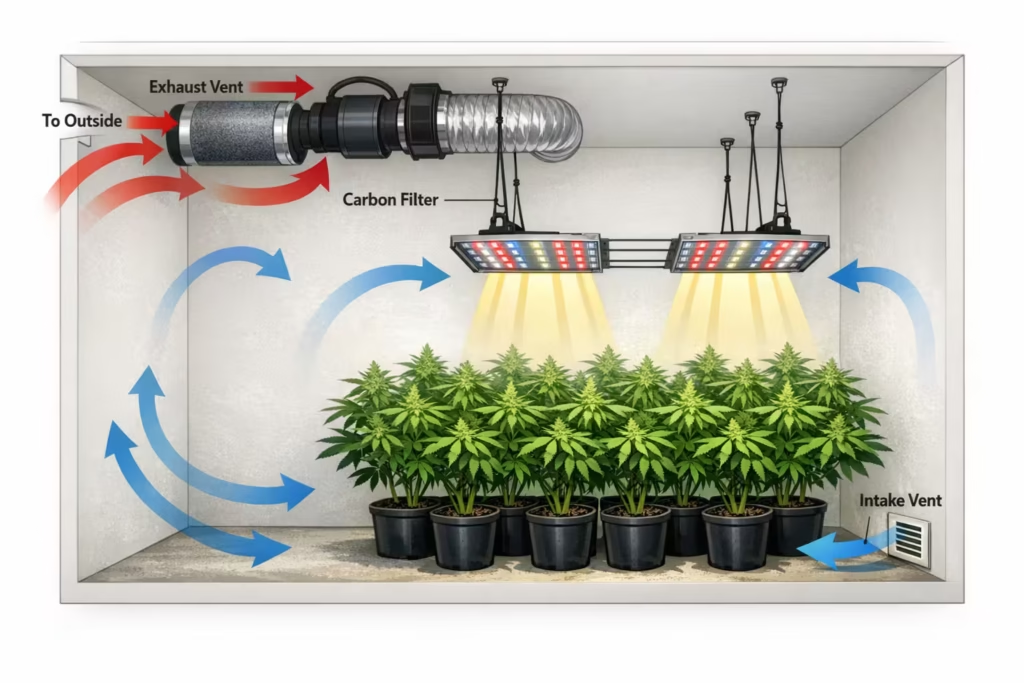
Think of a grow house as your cannabis sanctuary. It’s more than just a room with lights; it’s a precision-tuned indoor grow environment designed to mimic the perfect outdoor season every single day. When set up correctly, a grow house eliminates issues like pests, mold, extreme heat, cold snaps, and nutrient washouts that typically challenge outdoor growers. This is why indoor growers call it the “gold standard” of home cultivation.
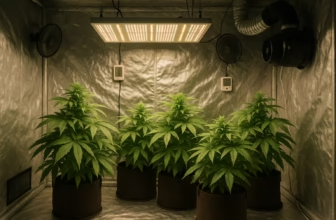
A proper marijuana grow house typically includes:
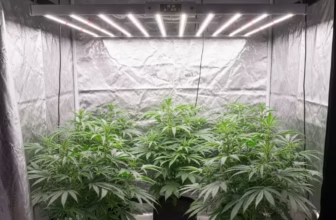
- Full-spectrum LED grow lights for optimal photosynthesis
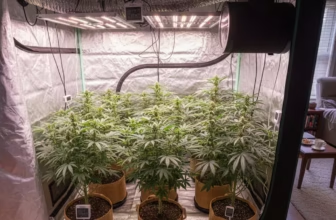
- Inline fans & ventilation systems to keep fresh air moving
- Carbon filters for odor control and terpene management
- Climate controllers that stabilize temperature and humidity
- Reflective surfaces (like Mylar) to maximize light efficiency
- Grow mediums such as soil, coco coir, or hydroponics
By converting a spare bedroom, garage, basement, or attic into a controlled grow space, you’re essentially building a micro indoor greenhouse tailored to cannabis biology. Whether you’re growing indica-heavy strains, sativa-dominant plants, or high-THC hybrids, a grow house lets you fine-tune everything — light intensity, watering schedule, airflow patterns, and plant training techniques.
Is It Legal to Build a Marijuana Grow House?
The legality of building a marijuana grow house depends entirely on where you live and how you plan to grow. Cannabis cultivation laws vary widely by country, state, and even local municipality. In many regions, personal-use indoor cannabis growing is legal under specific conditions, while in others it may be restricted or prohibited altogether. As a grower, understanding these rules before setting up a grow house is just as important as choosing the right lights or ventilation system.
In areas where cannabis cultivation is allowed, growers are usually required to follow plant count limits, grow only for personal use, and keep the grow space secure and private. Some regions allow indoor marijuana growing only inside a primary residence, while others require registration, permits, or compliance with zoning regulations. Commercial-scale grow houses often face much stricter licensing and inspection requirements than home grows.
From a cannabis gardener’s perspective, legality isn’t just about avoiding trouble—it’s about growing responsibly. Most legal frameworks focus on safety concerns like fire prevention, electrical load, odor control, and mold management. That’s why many regulations emphasize proper ventilation, smell containment using carbon filters, and safe electrical setups when operating an indoor grow room.
Another important factor is discretion and compliance. Even where marijuana grow houses are legal, strong odors, excessive power usage, or unsafe modifications to a property can cause issues. Responsible growers design their grow houses to be light-proof, smell-controlled, and energy-efficient, helping them stay compliant while protecting both their plants and their living space.
Because laws change frequently, every grower should check current local cannabis cultivation regulations before building or expanding a grow house. Treat this step like preparing your soil or dialing in your environment—doing it right from the start saves headaches later and allows you to focus on what really matters: healthy plants and clean harvests.
Benefits of a Marijuana Grow House
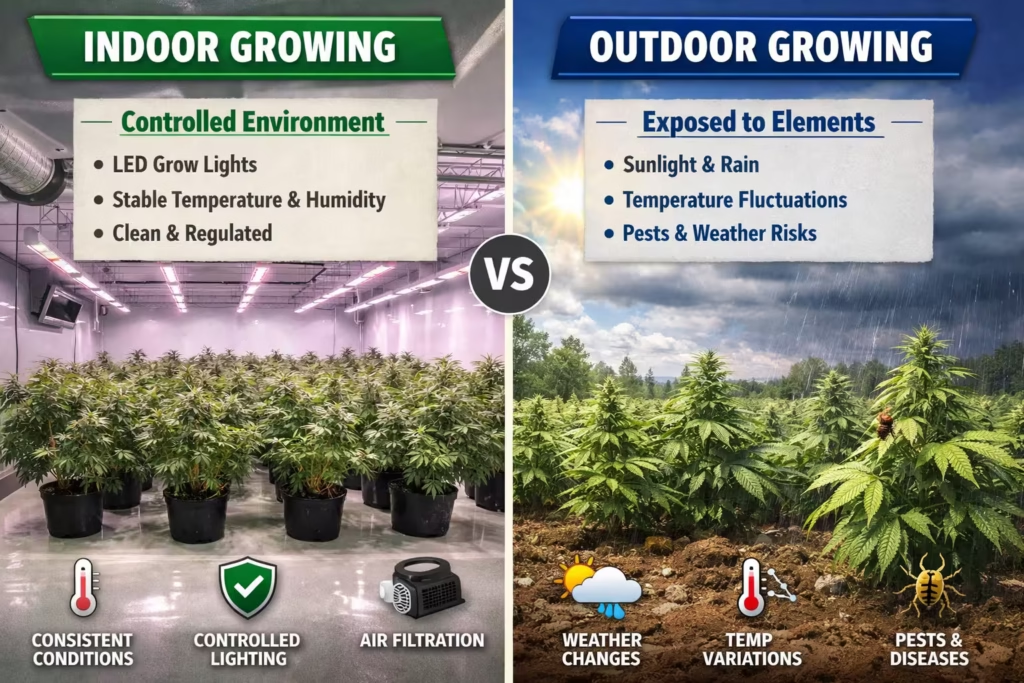
Building a marijuana grow house gives cannabis gardeners something every grower wants—control, consistency, and quality. Unlike outdoor cultivation, an indoor grow house creates a stable, predictable environment where plants can thrive without stress. Let’s break down the key benefits in detail.
Total Environmental Control
One of the biggest advantages of a marijuana grow house is full environmental control. Indoor growers can precisely manage light cycles, temperature, humidity, airflow, and CO₂ levels, creating ideal conditions for each growth stage. Whether plants are in the vegetative phase or flowering stage, a controlled grow environment reduces stress and encourages strong root development, healthy foliage, and consistent bud formation.
From a cannabis gardener’s perspective, this control removes guesswork. You’re no longer reacting to heat waves, rain, cold nights, or unexpected weather shifts. Instead, you’re proactively dialing in the grow room climate to keep plants thriving every day.
Year-Round Cannabis Harvests
A properly set up marijuana grow house allows continuous, year-round growing. Outdoor growers are limited to seasonal harvests, but indoor cultivation makes it possible to run multiple grow cycles throughout the year. You can schedule back-to-back harvests or even operate separate vegetative and flowering rooms for a steady supply of fresh cannabis.
This benefit is especially valuable for home growers who want consistent yields without waiting months for the right season. With indoor growing, every day is a growing day.
Higher Yields and Better Bud Quality
Cannabis plants grown in a controlled grow house often produce larger yields and higher-quality buds. Stable light intensity, balanced humidity, and optimized airflow help plants focus energy on flower development instead of survival. The result is denser buds, stronger terpene profiles, and higher cannabinoid potency.
Indoor growers can also fine-tune feeding schedules and plant training techniques, further improving flower structure and overall yield. When everything is dialed in, a grow house consistently delivers top-shelf indoor cannabis.
Pest-Free and Weather-Proof Growing
One of the most frustrating parts of outdoor cannabis growing is dealing with pests and unpredictable weather. A marijuana grow house significantly reduces exposure to insects, mold spores, fungal diseases, and environmental stressors. With sealed airflow and clean growing conditions, common issues like spider mites, powdery mildew, and bud rot become far easier to prevent.
For cannabis gardeners, this means less time troubleshooting problems and more time focusing on plant health and growth optimization.
Odor Control and Discretion
Grow houses offer excellent privacy and odor control, which is important for many home growers. Carbon filters, proper ventilation, and negative air pressure systems help contain strong cannabis smells, keeping them from escaping the grow space. Light-proofing also prevents light leaks that could attract unwanted attention.
This level of discretion allows growers to cultivate cannabis responsibly while maintaining a low profile, especially in residential settings.
Consistency and Repeatable Results
Perhaps the most underrated benefit of a marijuana grow house is consistency. Because conditions remain stable, growers can track results more accurately, identify what works, and replicate successful grows. Each harvest becomes a learning opportunity that leads to better results in the next cycle.
Over time, this turns cannabis cultivation into a repeatable system rather than a trial-and-error process. For serious cannabis gardeners, consistency is what separates average harvests from exceptional ones.
How to Plan Your Marijuana Grow House
Proper planning is the foundation of a successful marijuana grow house. Before buying lights or planting seeds, a cannabis gardener needs to think through space, power, airflow, and odor management. A well-planned grow house runs smoothly, stays safe, and produces consistent, high-quality harvests without constant troubleshooting.
Choosing the Right Room or Space
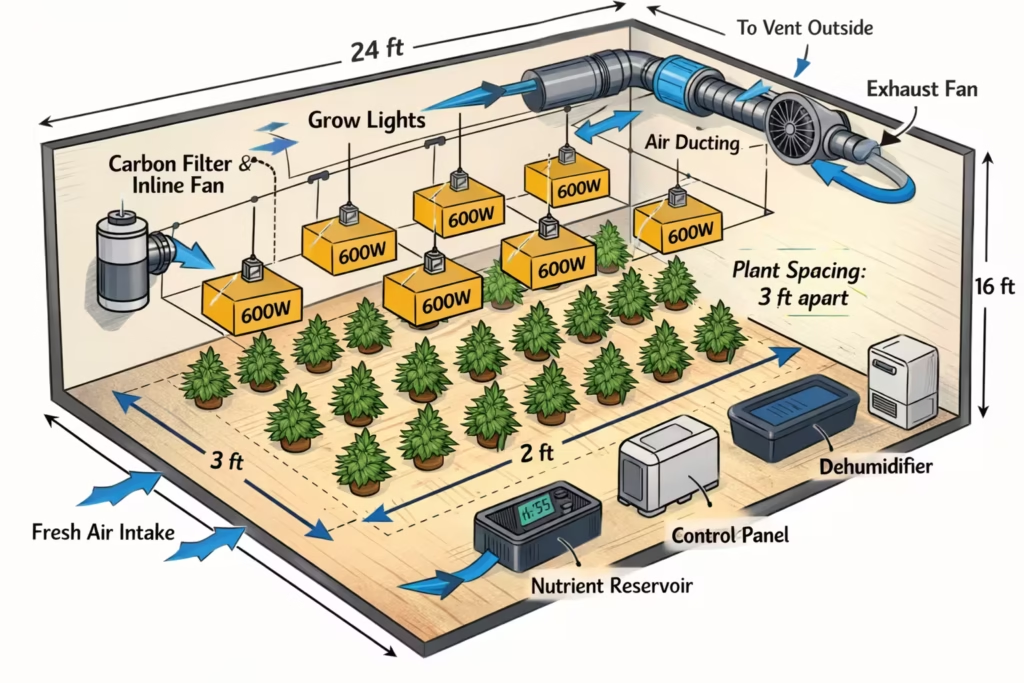
The first step in planning a marijuana grow house is selecting the right indoor grow space. Common options include spare bedrooms, basements, garages, or enclosed sheds. The ideal room should be easy to seal, well-insulated, and accessible for daily plant care. Ceiling height is important too—cannabis plants stretch during flowering, and grow lights need clearance for proper coverage.
From a grower’s perspective, start with a space that matches your experience level. A small grow room is easier to control, cheaper to operate, and perfect for learning indoor cultivation before scaling up.
Sizing Your Grow House Based on Plant Count
Grow house size should always be planned around how many cannabis plants you intend to grow. Crowding plants leads to poor airflow, uneven light distribution, and higher risk of mold and pests. Each plant needs enough room for canopy development, airflow, and maintenance.
A smart cannabis gardener plans spacing early, leaving room for fans, humidifiers, and walking space. Proper plant spacing improves light penetration, promotes healthy growth, and maximizes overall yield.
Electrical Load and Power Planning
Indoor cannabis growing relies heavily on electricity, so power planning is critical. Grow lights, exhaust fans, climate controllers, and dehumidifiers all add to the electrical load. Before setting up a grow house, check circuit capacity to avoid tripped breakers or overheating.
Safe electrical planning protects both your plants and your property. Using dedicated circuits, quality surge protection, and energy-efficient LED grow lights helps keep your grow house stable and compliant.
Light-Proofing the Grow House
Light control is essential for indoor marijuana cultivation, especially during the flowering stage. A grow house should be completely light-proof, preventing outside light from interrupting the dark cycle. Light leaks can stress plants, slow bud development, or cause hermaphroditism.
From a cannabis gardener’s viewpoint, sealing cracks, covering windows, and using proper grow room doors ensures plants stay on a consistent light schedule, which leads to stronger flowering and better yields.
Ventilation and Airflow Planning
Proper ventilation planning keeps fresh air moving through the grow house while removing excess heat and humidity. This includes planning intake vents, exhaust fans, and internal air circulation using oscillating fans. Good airflow strengthens stems, prevents stagnant air, and reduces the risk of mold and mildew.
A well-ventilated marijuana grow house creates a healthy environment where cannabis plants can breathe, transpire efficiently, and grow vigorously.
Odor Control Strategy
Cannabis plants produce strong aromas, especially during flowering, so odor control should be planned from day one. Carbon filters paired with inline exhaust fans help neutralize smells before air exits the grow house. Maintaining negative air pressure further prevents odors from leaking into surrounding areas.
For responsible cannabis gardeners, odor control isn’t just about discretion—it’s part of running a clean, professional indoor grow operation.
Planning for Cleanliness and Maintenance
A successful grow house is easy to clean and maintain. Smooth surfaces, sealed floors, and organized layouts make it easier to sanitize between grow cycles. Planning space for tools, nutrients, and waste disposal keeps the grow room efficient and reduces contamination risks.
Experienced growers know that a clean grow house leads to healthier plants and fewer problems over time.
Planning for Future Expansion
Even if you’re starting small, it’s smart to plan for future upgrades. Leave room for additional lights, better climate control, or extra plant space as your skills improve. A flexible layout allows growers to expand without tearing everything apart later.
Good planning turns a simple grow room into a scalable indoor cannabis cultivation system that grows with you.
Essential Equipment for a Marijuana Grow House
A successful marijuana grow house runs on the right equipment working together as a system. Lights, airflow, climate control, and monitoring tools all play a role in keeping cannabis plants healthy from seedling to harvest. When growers skip or cheap out on key gear, problems like heat stress, mold, weak growth, and low yields quickly follow.
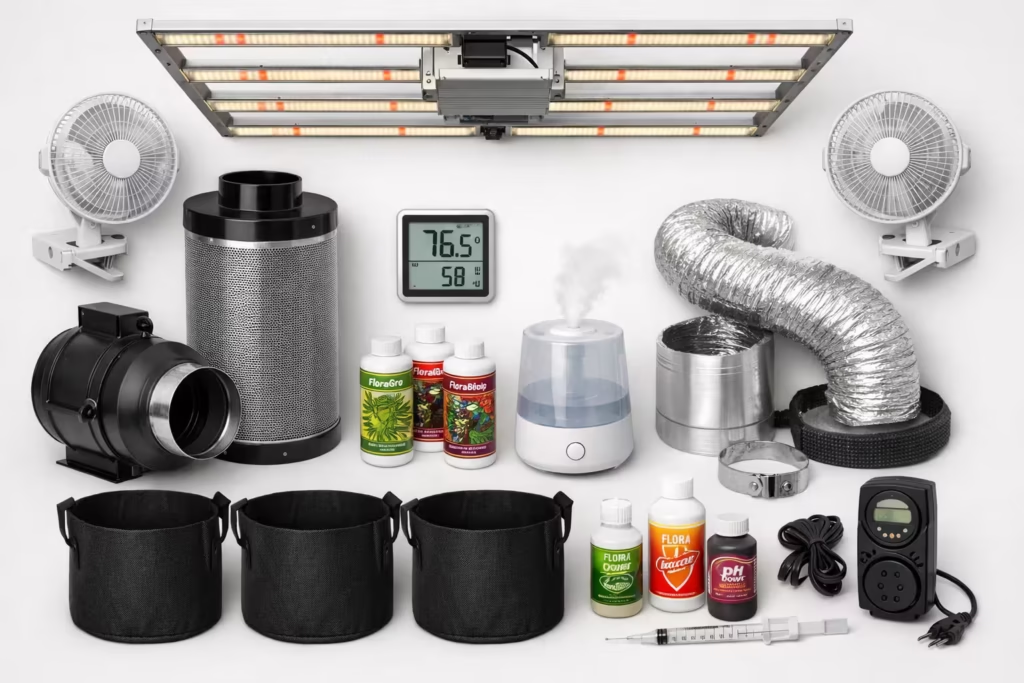
Let’s break down the must-have equipment every indoor cannabis grow house needs.
Grow Lights (LED, HPS, or CMH)
Grow lights are the heart of any marijuana grow house. Cannabis plants rely on strong, consistent light to fuel photosynthesis and flower development. Modern full-spectrum LED grow lights are the most popular choice among indoor growers because they run cooler, use less electricity, and provide excellent light coverage for both vegetative and flowering stages.
Some growers still use HPS or CMH lighting, especially in larger grow houses, but these produce more heat and require stronger ventilation. From a cannabis gardener’s perspective, choosing the right light intensity and coverage for your grow space is critical for producing dense, resin-rich buds.
Ventilation and Exhaust System
Proper ventilation keeps fresh air flowing through the grow house while removing heat, excess humidity, and stale air. A basic setup includes an inline exhaust fan, ducting, and intake vents. This system helps regulate temperature, strengthens plant stems, and prevents moisture buildup that can lead to mold or mildew.
Good airflow is something experienced growers never compromise on. A well-ventilated grow house allows cannabis plants to breathe, transpire efficiently, and grow more vigorously.
Carbon Filters for Odor Control
As cannabis enters the flowering stage, strong aromas become unavoidable. Carbon filters are essential for controlling grow house odor by scrubbing cannabis smells from the air before it exits the space. When paired with an exhaust fan, carbon filters help maintain discretion and keep odors contained.
For responsible indoor growers, odor control isn’t optional—it’s part of running a clean, professional marijuana grow house.
Air Circulation Fans
In addition to exhaust ventilation, oscillating circulation fans are used inside the grow house to keep air moving around the plants. These fans prevent hot spots, reduce humidity pockets, and strengthen stems by simulating natural airflow.
From a cannabis gardener’s viewpoint, proper air circulation helps prevent issues like bud rot, powdery mildew, and weak branch structure during flowering.
Temperature and Humidity Control Equipment
Cannabis plants thrive within specific temperature and humidity ranges, which change between vegetative and flowering stages. Tools like thermometers, hygrometers, humidifiers, and dehumidifiers help growers maintain a stable grow room climate.
In warmer setups, an air conditioner may be needed to control heat generated by lights and equipment. Keeping environmental conditions stable reduces plant stress and leads to healthier growth and higher yields.
Grow Mediums and Containers
Every marijuana grow house needs the right growing medium to support root development. Common options include soil, coco coir, and hydroponic systems, each with its own benefits. Soil is beginner-friendly, coco offers faster growth, and hydroponics can deliver higher yields when managed correctly.
Growers also need quality containers such as fabric pots, plastic pots, or hydro buckets, all sized appropriately for plant growth and root expansion.
Nutrients and Feeding Tools
Cannabis plants require a balanced supply of macro and micronutrients throughout their life cycle. Grow house setups typically use bottled nutrients, organic amendments, or living soil blends. Measuring tools like pH meters, EC meters, and mixing containers help ensure plants receive proper nutrition without deficiencies or nutrient burn.
A cannabis gardener knows that feeding consistency is key—healthy roots lead to healthy flowers.
Timers and Light Controllers
Timers are essential for maintaining consistent light schedules, especially during flowering when plants require uninterrupted dark periods. Automatic timers or smart controllers help prevent human error and keep the grow house running smoothly.
Reliable light control leads to stronger flowering, better bud formation, and more predictable harvests.
Monitoring and Automation Tools
Advanced grow houses often use environmental controllers and monitoring devices to track temperature, humidity, and airflow in real time. These tools allow growers to fine-tune conditions and catch problems early before they affect plant health.
For serious indoor cannabis growers, automation brings consistency and peace of mind.
Building the Perfect Grow House Environment
A marijuana grow house only performs as well as its environmental balance. Lights alone won’t give you quality buds if temperature, humidity, airflow, and air composition are off. Experienced cannabis gardeners know that dialing in the grow house environment is what separates average harvests from dense, aromatic, high-potency flowers.
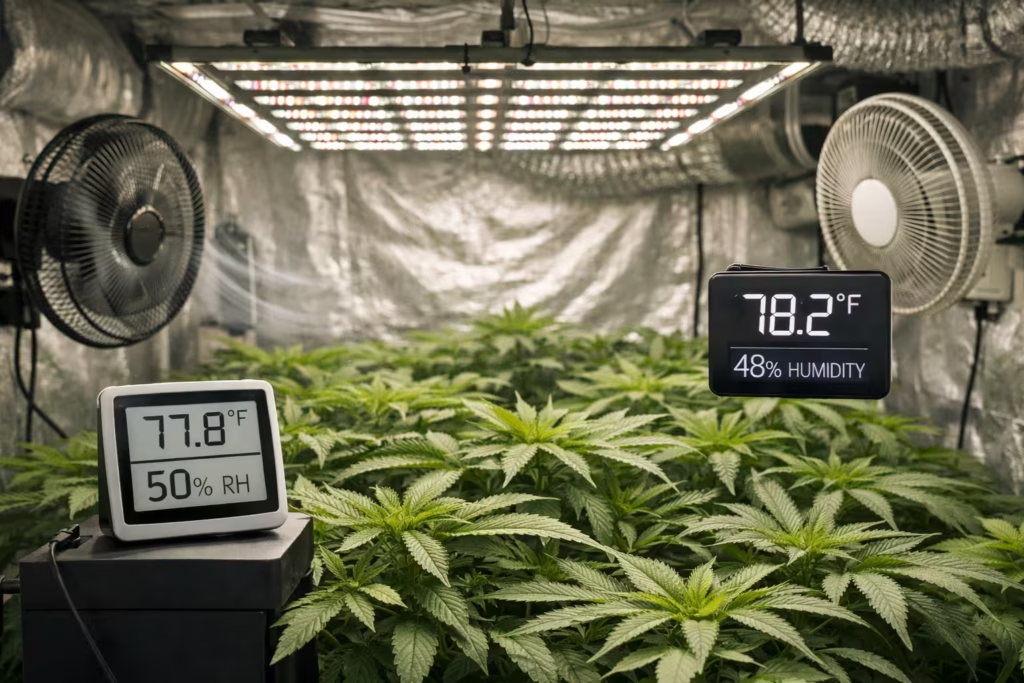
Temperature Control (Vegetative vs Flowering Stage)
Temperature plays a major role in cannabis metabolism and growth rate. In a grow house, plants prefer slightly warmer temperatures during the vegetative stage and slightly cooler conditions during flowering. Stable temperatures help prevent stress, slow growth, and nutrient uptake issues.
A well-managed grow house uses ventilation, exhaust fans, and sometimes air conditioning to maintain a consistent indoor grow temperature. Sudden heat spikes can cause light stress or foxtailing, while cold temperatures can stunt growth and reduce resin production. From a grower’s perspective, consistency matters more than chasing perfect numbers.
Humidity Management and Vapor Pressure Deficit (VPD)
Humidity control is just as important as temperature. Cannabis plants require higher humidity during early growth and lower humidity during flowering to prevent mold and bud rot. Managing humidity properly helps regulate transpiration, nutrient movement, and overall plant health.
Many advanced growers use Vapor Pressure Deficit (VPD) as a guide to balance temperature and humidity together. A well-balanced VPD allows plants to breathe efficiently, leading to faster growth, stronger stems, and better flower development. Dehumidifiers, humidifiers, and proper airflow are essential tools for keeping the grow house environment stable.
Airflow and Fresh Air Exchange
Healthy cannabis plants need constant access to fresh, oxygen-rich air. Proper airflow inside a grow house strengthens stems, prevents moisture pockets, and reduces the risk of mold, mildew, and pest infestations. This includes both air circulation within the room and fresh air exchange through ventilation systems.
From a cannabis gardener’s standpoint, stagnant air is one of the fastest ways to invite problems. Oscillating fans combined with an efficient exhaust system keep air moving evenly across the canopy and root zone, creating a healthier indoor grow environment.
CO₂ Levels and Plant Performance (Optional Optimization)
Carbon dioxide (CO₂) is a key component of photosynthesis, and increasing CO₂ levels in a grow house can improve growth rates and yields when paired with strong lighting and proper temperature control. While CO₂ supplementation isn’t necessary for beginners, experienced growers sometimes use it to push plants closer to their genetic limits.
For most home growers, simply ensuring good air exchange provides enough CO₂. Controlled supplementation should only be used in sealed grow houses where temperature, humidity, and lighting are already dialed in.
Light Intensity and Canopy Management
Environmental control isn’t just about air—it’s also about how light interacts with the plant canopy. Proper light intensity and uniform coverage ensure that all bud sites receive adequate energy. Too much light can cause bleaching or heat stress, while uneven lighting leads to weak lower buds.
Cannabis gardeners often adjust light height, spacing, and plant training techniques to maintain an even canopy. This helps maximize photosynthesis and ensures consistent flower development across the entire grow space.
Cleanliness and Environmental Stability
A clean grow house is a stable grow house. Dust, standing water, and organic debris can quickly throw off environmental balance and invite pests or pathogens. Regular cleaning, wiping surfaces, and removing dead plant material help maintain a healthy indoor ecosystem.
Environmental stability improves when everything is organized, sealed, and easy to maintain. For long-term success, cleanliness is just as important as lights or nutrients.
Designing Your Grow House Layout
A well-designed marijuana grow house layout makes daily work easier, improves airflow and light efficiency, and directly impacts plant health and final yields. Cannabis doesn’t just need good equipment—it needs a smart layout that supports every stage of growth while keeping the environment stable and manageable.
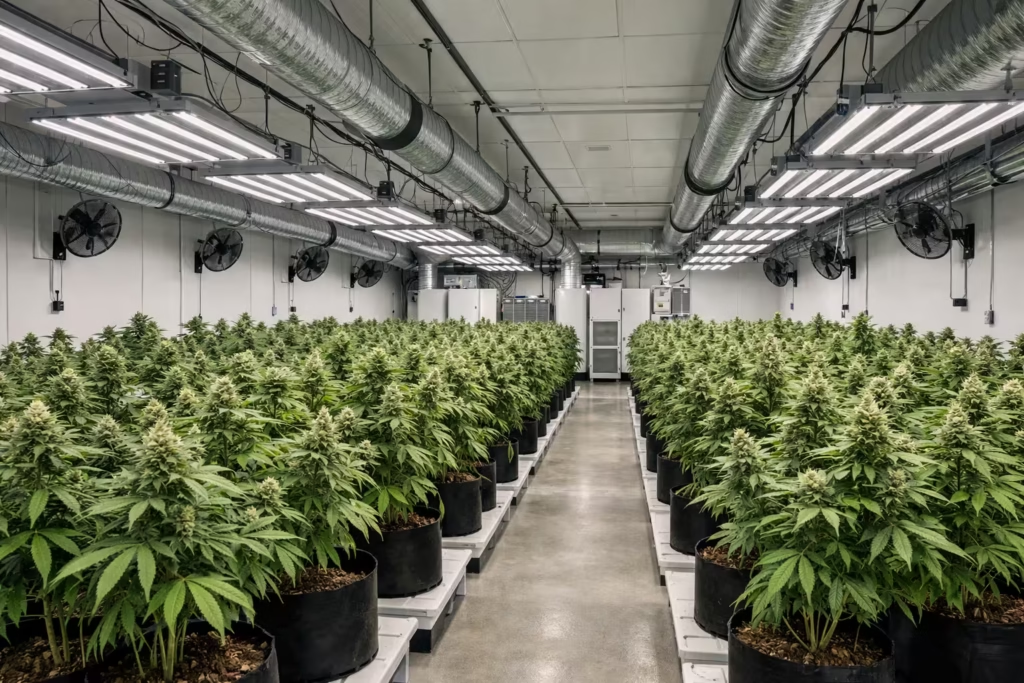
Whether you’re running a small home grow or planning a larger indoor cultivation space, layout design is where efficiency meets consistency.
Single-Room vs Multi-Room Grow House Setup
The first decision in grow house design is choosing between a single-room setup or a multi-room grow layout.
A single-room grow house is ideal for beginners. All plants share the same light cycle and environment, making it easier to manage temperature, humidity, and feeding schedules. This setup is cost-effective, simple, and perfect for learning indoor cannabis cultivation.
A multi-room grow house separates plants by growth stage—typically vegetative and flowering rooms. This allows continuous harvesting and better environmental tuning for each stage, but it requires more space, equipment, and experience. From a cannabis gardener’s perspective, multi-room layouts offer higher efficiency once you’re ready to scale.
Vegetative Room Layout
The vegetative room is where cannabis plants focus on leaf and root development. Layout here should prioritize easy access, even lighting, and strong airflow. Plants don’t need as much light intensity as flowering, but they do need space to spread out and grow strong branches.
Spacing plants properly prevents overcrowding and improves airflow around the canopy. Many growers design veg rooms with adjustable shelving or movable pots to adapt as plants grow. A clean, organized veg layout sets the foundation for healthy flowering later.
Flowering Room Layout
The flowering room layout is where yield and quality are determined. This space must be optimized for light penetration, airflow, and humidity control. Plants should be evenly spaced to prevent shaded bud sites and moisture buildup.
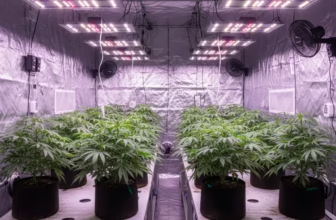
Cannabis gardeners often design flowering rooms with straight rows or grid layouts to maximize light coverage and simplify maintenance. Clear walkways are essential for watering, inspecting buds, and managing training techniques. A well-designed flowering layout leads to denser buds and more uniform harvests.
Drying and Curing Area Design
Many growers overlook this, but a dedicated drying and curing area is a critical part of grow house layout. Harvested buds need a cool, dark, and well-ventilated space with stable humidity to preserve terpenes and prevent mold.
Some grow houses use a separate room, while others section off part of the space. From a grower’s standpoint, proper drying and curing can make the difference between average flower and top-shelf cannabis.
Walkways, Access, and Workflow
Good layout design isn’t just about plants—it’s about how you move through the grow house. Walkways should allow easy access to every plant without stepping over pots or blocking airflow. Tight spaces lead to mistakes, damaged branches, and inconsistent care.
Experienced cannabis gardeners design layouts that support smooth workflow: watering, pruning, training, and inspection all become faster and safer when the grow house is easy to navigate.
Equipment Placement and Cable Management
Grow house layout should also account for equipment placement, including lights, fans, carbon filters, and climate controllers. Equipment should be mounted securely, kept off the floor when possible, and positioned to avoid heat buildup or airflow obstruction.
Clean cable management reduces fire risk and makes maintenance easier. A tidy grow house isn’t just safer—it’s more efficient and easier to scale.
Scalability and Future Expansion
Smart growers design layouts with future expansion in mind. Leaving extra space for additional lights, larger plants, or upgraded climate equipment saves time and money later. Even if you’re starting small, a flexible layout allows your grow house to evolve as your skills improve.
Best Growing Mediums for a Grow House
Choosing the right growing medium is one of the most important decisions in a marijuana grow house. The medium directly affects root health, nutrient uptake, watering frequency, and overall plant performance. In a controlled indoor environment, different grow mediums offer different levels of speed, control, and complexity.
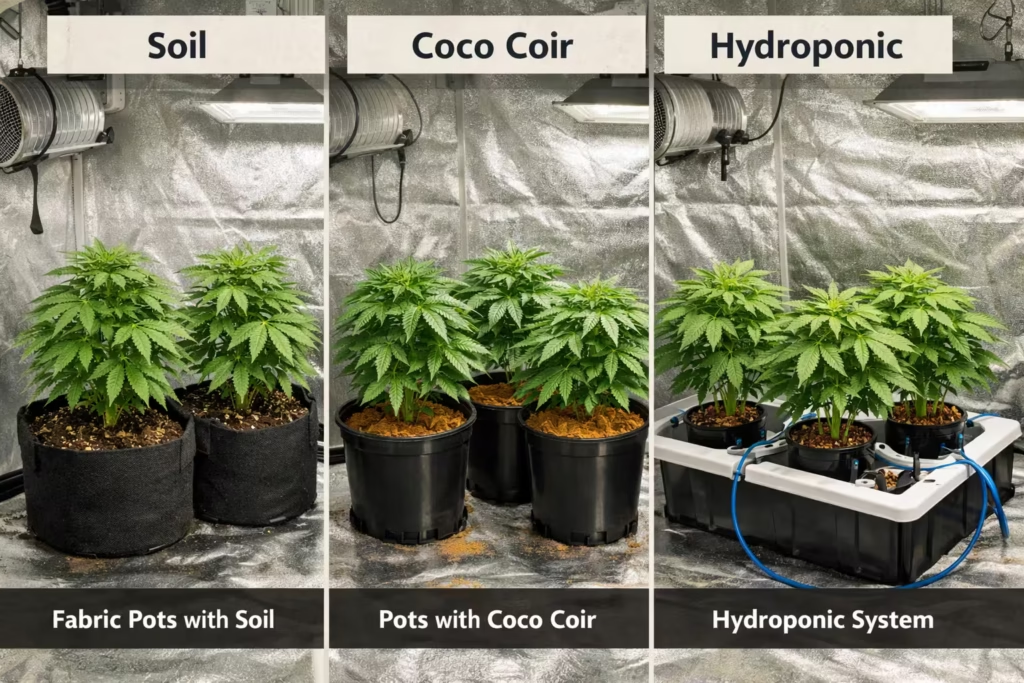
Cannabis gardeners usually choose between soil, coco coir, or hydroponic systems, depending on experience level and grow goals.
Soil (Beginner-Friendly and Forgiving)
Soil is the most traditional and beginner-friendly growing medium for a marijuana grow house. It provides a natural buffer against nutrient mistakes and supports beneficial microbes that help cannabis roots absorb nutrients more efficiently. For new indoor growers, soil offers a slower learning curve and more room for error.
High-quality organic or living soil blends are especially popular because they improve flavor, terpene development, and overall plant resilience. Soil-grown cannabis tends to produce rich aromas and smooth smoke, making it a favorite among growers who value quality over speed. In a grow house setting, soil works best with proper drainage, fabric pots, and consistent watering practices.
Coco Coir (Fast Growth and High Control)
Coco coir is a popular choice for growers who want faster growth without fully committing to hydroponics. Made from coconut husks, coco provides excellent aeration and root oxygenation, allowing cannabis plants to grow more aggressively than in soil.
In a marijuana grow house, coco coir offers greater control over feeding schedules because nutrients are delivered directly through watering. This medium requires more attention to pH and nutrient balance, but rewards growers with faster vegetative growth and higher yields when managed correctly. Many cannabis gardeners choose coco as the perfect middle ground between soil simplicity and hydroponic performance.
Hydroponics (Maximum Yields and Precision)
Hydroponic growing systems deliver nutrients directly to the plant roots through water, eliminating traditional soil entirely. Common hydro methods include deep water culture (DWC), drip systems, and flood-and-drain setups. In a grow house, hydroponics allows growers to push plants close to their genetic limits.
Hydro systems offer rapid growth and potentially larger yields, but they require precise monitoring of nutrient strength, pH levels, and water temperature. Small mistakes can escalate quickly, which is why hydroponics is best suited for experienced indoor cannabis growers. When dialed in properly, hydroponic grow houses produce extremely vigorous plants and heavy harvests.
Which Growing Medium Is Best for Your Grow House?
The best growing medium depends on your experience level, time commitment, and grow goals. Soil is ideal for beginners and growers focused on flavor and ease. Coco coir suits growers who want speed and control without full hydro complexity. Hydroponics is best for advanced growers aiming for maximum efficiency and yield.
From a cannabis gardener’s perspective, there’s no single “best” medium—only the one that fits your grow style. A well-managed grow house can produce excellent cannabis with any of these mediums when the environment is properly dialed in.
Marijuana Grow House Setup Step-by-Step
Setting up a marijuana grow house isn’t about rushing—it’s about building a clean, controlled indoor environment that cannabis plants can thrive in from day one. When you follow the setup process step by step, you avoid common mistakes like heat stress, odor leaks, mold issues, and uneven growth.
Here’s how experienced cannabis gardeners set up a grow house the right way.
Step 1: Clean, Seal, and Prepare the Grow Space
Before any equipment goes in, the grow house must be clean, sealed, and sanitized. Remove dust, debris, and clutter from the room. Wipe down walls, floors, and corners to eliminate mold spores, pests, or bacteria that could harm young plants.
Seal cracks, gaps, and unused vents to make the grow house light-proof and air-tight. A sealed room improves environmental control, prevents light leaks during flowering, and makes odor control more effective. From a grower’s perspective, a clean start leads to fewer problems later.
Step 2: Install Grow Lights and Mounting Hardware
Next, install your grow lights based on the size of your grow house and plant count. Full-spectrum LED grow lights are ideal for most indoor setups because they provide strong coverage with lower heat output.
Lights should be mounted securely with adjustable hangers so height can be changed as plants grow. Proper light placement ensures even canopy coverage and prevents hotspots or shaded areas. A cannabis gardener always plans lighting before placing plants to avoid rearranging later.
Step 3: Set Up Ventilation and Odor Control
Ventilation is the backbone of a healthy marijuana grow house. Install an inline exhaust fan, ducting, and a carbon filter to remove heat, control humidity, and eliminate cannabis odor. Intake vents or passive air inlets allow fresh air to enter the grow space.
Position the carbon filter high in the room where hot air and smells collect. This setup creates negative air pressure, which keeps odors from escaping. Good ventilation protects plants from mold, strengthens stems, and keeps the grow environment stable.
Step 4: Install Air Circulation Fans
Inside the grow house, add oscillating circulation fans to keep air moving around the plants. These fans prevent stagnant air, reduce moisture buildup, and help strengthen plant stems.
Airflow should gently move leaves without causing wind burn. From a cannabis gardener’s standpoint, steady circulation is key to preventing pests and maintaining healthy transpiration throughout the canopy.
Step 5: Set Up Temperature and Humidity Controls
Now it’s time to dial in the grow house climate. Install thermometers, hygrometers, humidifiers, or dehumidifiers as needed to maintain proper temperature and humidity levels for each growth stage.
Vegetative plants prefer warmer temperatures and higher humidity, while flowering plants need lower humidity to prevent bud rot. Stabilizing the environment early helps plants establish strong roots and consistent growth patterns.
Step 6: Prepare Containers, Growing Medium, and Drainage
Choose your growing medium—soil, coco coir, or hydroponics—and prepare containers with proper drainage. Fabric pots are popular in grow houses because they improve root oxygenation and reduce overwatering.
Arrange containers with enough spacing for airflow and canopy expansion. A well-organized layout makes watering, pruning, and inspection easier throughout the grow cycle.
Step 7: Set Timers and Light Schedules
Install timers or light controllers to automate the light cycle. Consistent lighting is critical for indoor cannabis cultivation, especially during flowering when uninterrupted darkness is required.
Most growers run an 18/6 light schedule for vegetative growth and switch to 12/12 for flowering. Automation removes human error and keeps the grow house running smoothly day and night.
Step 8: Test the Grow House Before Adding Plants
Before introducing cannabis plants, run the entire grow house for 24–48 hours. Monitor temperature, humidity, airflow, and odor control to ensure everything is working correctly.
This test phase allows you to fix issues before plants are at risk. Experienced cannabis gardeners never skip this step—it’s the difference between a smooth grow and constant troubleshooting.
Step 9: Introduce Plants and Begin the Grow Cycle
Once conditions are stable, move seedlings or clones into the grow house. Start slow with watering and nutrients, allowing plants to adjust to their new environment.
From here, daily observation becomes your most important tool. Healthy plants respond quickly in a properly set up marijuana grow house, rewarding patience with strong growth and vigorous development.
When set up correctly, a marijuana grow house becomes a balanced indoor ecosystem rather than a problem zone. Take your time with each step, and you’ll build a grow space that delivers consistent, high-quality harvests—cycle after cycle.
Common Problems in a Marijuana Grow House (And How to Fix Them)
Even a well-built marijuana grow house can run into problems if the environment drifts out of balance. Indoor cannabis growing is all about consistency, and when one factor slips—heat, humidity, airflow, or nutrition—plants let you know quickly. The good news is that most grow house issues are common, predictable, and completely fixable when caught early.
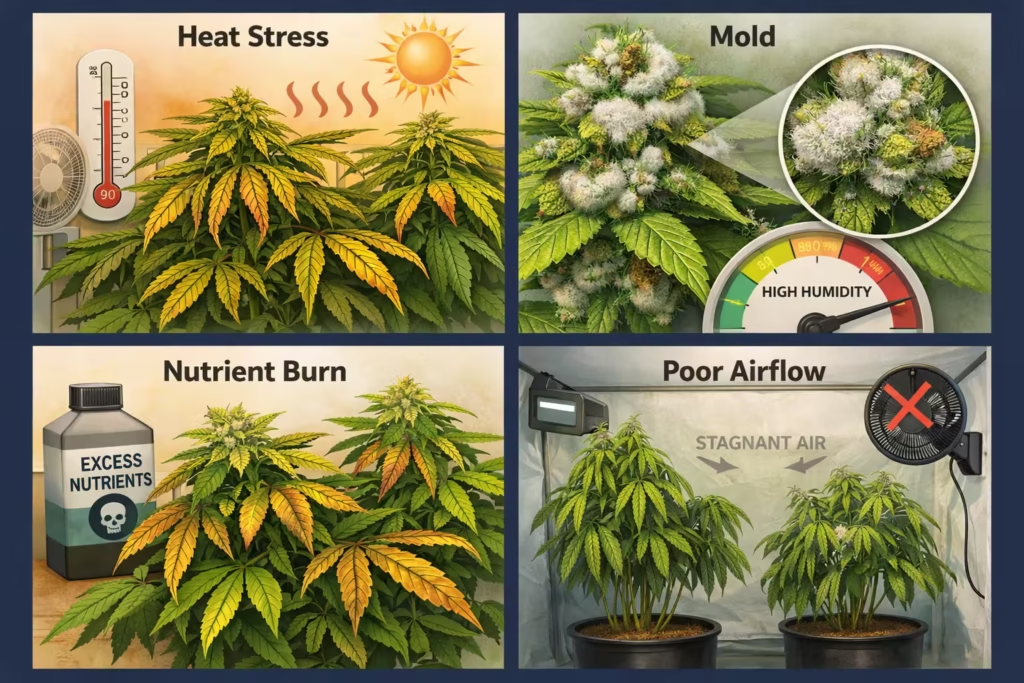
Heat Stress and Light Burn
Heat stress is one of the most common problems in an indoor grow house. It usually happens when grow lights are too close, ventilation is weak, or room temperatures climb too high. Signs include curling leaves, bleached tops, dry edges, and slowed growth.
To fix this, raise your grow lights, improve airflow, and increase exhaust fan efficiency. Switching to energy-efficient LED grow lights also helps reduce heat buildup. From a cannabis gardener’s perspective, stable temperatures protect terpene production and prevent flower damage during late flowering.
High Humidity and Mold Issues
Excess humidity in a marijuana grow house creates the perfect environment for mold, mildew, and bud rot, especially during the flowering stage. Warning signs include damp air, musty smells, white powdery spots, or gray mold inside dense buds.
Lower humidity using a dehumidifier, improve airflow around the canopy, and avoid overcrowding plants. Keeping humidity lower during flowering is critical for protecting bud quality. Experienced growers know that mold prevention is far easier than mold removal.
Poor Ventilation and Stale Air
Without proper ventilation, a grow house can trap heat, moisture, and stale air. Poor airflow weakens plant stems, slows transpiration, and increases pest and disease risk. Symptoms include droopy leaves, uneven growth, and lingering odors.
Fix this by upgrading your inline exhaust fan, cleaning ducting, and adding oscillating fans for internal air circulation. A healthy grow house constantly exchanges old air for fresh, oxygen-rich air.
Deficiencies and Nutrient Burn
Nutrient problems are common in indoor cannabis cultivation, especially when growers overfeed or ignore pH balance. Nutrient burn shows up as burnt leaf tips, while deficiencies cause yellowing, spotting, or weak growth.
To correct this, flush the growing medium if necessary and adjust nutrient strength. Always monitor pH levels and feed gradually. Cannabis gardeners learn quickly that less is often more—healthy roots lead to healthy plants.
Overwatering and Root Problems
Overwatering is a silent killer in many grow houses. Constantly wet roots lead to oxygen deprivation, root rot, and slow growth. Leaves may droop even though the medium is wet.
Allow the growing medium to dry slightly between watering and ensure containers have proper drainage. Fabric pots and good airflow around the root zone help prevent this issue. Strong roots are the foundation of heavy yields.
Light Leaks During Flowering
Light leaks during the dark cycle can stress cannabis plants and cause hermaphroditism or reduced bud development. This problem is common in poorly sealed grow houses or rooms with windows.
Fix light leaks by sealing cracks, covering windows, and testing the grow house during the dark period. From a grower’s standpoint, complete darkness during flowering is non-negotiable for consistent results.
Pest Infestations Indoors
Even indoor grow houses can experience pest issues like spider mites, fungus gnats, or thrips. Pests often enter through contaminated soil, clones, or poor sanitation.
Prevent infestations by maintaining cleanliness, quarantining new plants, and monitoring leaves regularly. Good airflow and environmental stability make grow houses less inviting to pests.
Odor Control Failures
Strong cannabis odors escaping the grow house usually indicate carbon filter saturation, weak airflow, or leaks. This can be a problem for discretion and compliance.
Replace carbon filters regularly, seal the grow space properly, and maintain negative air pressure. Effective odor control keeps the grow house professional and stress-free.
Costs of Building a Marijuana Grow House
The cost of building a marijuana grow house depends on size, equipment quality, and how dialed-in you want your environment to be. Some growers build a simple indoor setup on a tight budget, while others invest in premium gear for maximum efficiency and yields. From a cannabis gardener’s point of view, smart spending matters more than expensive spending.
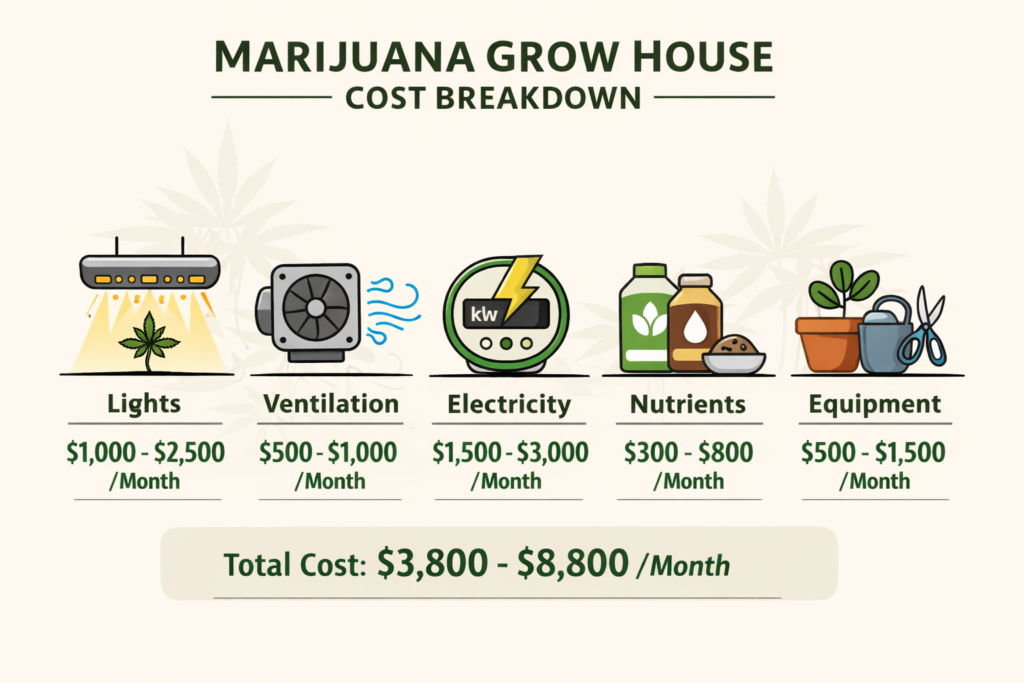
Let’s break the costs down clearly.
Initial Setup Costs (Budget vs Premium Builds)
The initial setup cost is the biggest expense when building a grow house. This includes grow lights, ventilation, carbon filters, fans, containers, and environmental tools. A small, budget-friendly grow house can be set up using basic LED lights and simple ventilation, while a premium grow house uses high-end lighting, automation, and climate control.
Budget setups work well for beginners learning indoor cultivation. Premium setups cost more upfront but often pay off with better yields, lower heat issues, and long-term efficiency. Experienced cannabis gardeners usually recommend starting simple and upgrading gradually.
Grow Lights and Electrical Equipment Costs
Grow lights are often the single most expensive item in a marijuana grow house. High-quality LED grow lights cost more upfront but save money over time through lower electricity usage and reduced heat output. Cheaper lights may work, but they often lack proper coverage or durability.
Electrical accessories like timers, power strips, surge protectors, and mounting hardware also add to the cost. Safe electrical setup is never an area to cut corners—protecting your grow house protects your plants and your property.
Ventilation, Odor Control, and Climate Equipment Costs
Ventilation systems, including inline exhaust fans, ducting, and carbon filters, are essential for temperature control and smell management. These costs vary depending on room size and airflow needs. Adding climate equipment like dehumidifiers, humidifiers, or air conditioners increases the budget but greatly improves environmental stability.
From a cannabis gardener’s perspective, good ventilation is an investment, not an expense. Poor airflow leads to mold, heat stress, and lower yields—costing more in the long run.
Growing Medium, Containers, and Nutrient Costs
Ongoing costs include soil, coco coir, hydroponic media, containers, and nutrients. Soil-based grow houses tend to have lower recurring costs, while coco and hydro systems require more frequent nutrient purchases.
High-quality nutrients and proper pH control tools are essential for consistent growth. Cheap nutrients often cause deficiencies or burn, leading to lost harvest potential. Healthy roots always justify the cost.
Monthly Electricity and Utility Costs
Electricity is the main recurring expense in an indoor marijuana grow house. Lighting schedules, exhaust fans, and climate equipment all contribute to power usage. LED grow lights significantly reduce electricity costs compared to older lighting technologies.
Monthly utility costs depend on grow house size, light wattage, and climate needs. A small grow room uses far less electricity than a large, fully climate-controlled setup. Smart scheduling and energy-efficient equipment help keep costs manageable.
Maintenance and Replacement Costs
Over time, some equipment needs replacement or maintenance. Carbon filters lose effectiveness, fans wear out, and bulbs or LEDs may degrade. Cleaning supplies, replacement parts, and occasional upgrades should be part of the grow house budget.
Cannabis gardeners who plan for maintenance avoid unexpected downtime and protect long-term yields. A well-maintained grow house stays efficient and productive.
Expected Yield Value (Cost vs Return)
When evaluating grow house costs, experienced growers also think in terms of return on investment. A well-run grow house often produces higher-quality cannabis with consistent yields, making the cost worthwhile for personal use growers.
While exact returns vary, a stable indoor grow house usually becomes more cost-effective with each harvest as equipment pays for itself over time. Consistency is where indoor growing truly shines.
Maintenance Routine for a Healthy Grow House
A marijuana grow house doesn’t stay productive on autopilot. Even with the best setup, regular maintenance is what keeps your indoor cannabis grow environment stable, clean, and high-yielding. Consistent maintenance prevents pests, mold, equipment failure, and environmental drift—issues that can quietly ruin a grow if ignored.
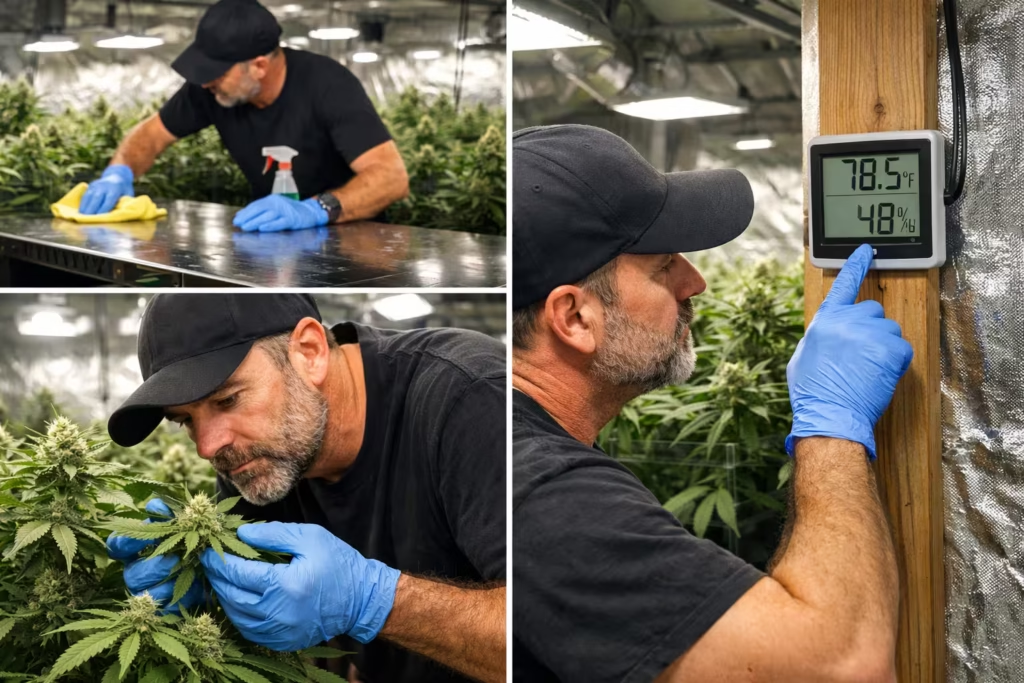
Experienced cannabis gardeners treat maintenance like feeding or watering: routine, intentional, and non-negotiable.
Daily Grow House Checks
Daily checks are about early detection. Walk into the grow house and observe your plants before touching anything. Healthy cannabis plants communicate clearly through leaf posture, color, and growth rate.
Check temperature and humidity readings, confirm lights and fans are running properly, and look for signs of stress like drooping, curling, or discoloration. Also inspect for early pest activity under leaves and around the soil surface. These quick daily observations prevent small issues from becoming major problems.
Weekly Cleaning and Equipment Inspection
Weekly maintenance focuses on cleanliness and airflow efficiency. Wipe down reflective walls, floors, and equipment surfaces to remove dust, water splashes, and organic debris. Clean spaces reflect light better and reduce the risk of mold spores and pests.
Inspect ventilation ducting, carbon filters, fans, and air intakes for dust buildup or blockages. Cannabis grow houses rely heavily on airflow, and even small obstructions can affect temperature and humidity balance. A clean grow house is a stable grow house.
Monitoring Temperature and Humidity Trends
Beyond checking numbers, experienced growers track environmental trends. Monitor how temperature and humidity fluctuate throughout the day and night. Sudden spikes or drops often signal ventilation issues, failing equipment, or seasonal changes.
Keeping the grow house environment consistent helps cannabis plants maintain healthy transpiration, nutrient uptake, and flower development. Stability is especially critical during flowering, when environmental stress can impact bud density and terpene production.
Watering and Nutrient System Maintenance
Whether you grow in soil, coco coir, or hydroponics, watering systems need regular attention. Check for salt buildup, clogged lines, standing water, or uneven moisture levels. Over time, neglected watering systems can cause root problems, nutrient lockout, or fungal growth.
Cannabis gardeners also regularly check pH levels and nutrient strength to ensure plants are feeding properly. Healthy roots are the foundation of a productive grow house.
Carbon Filter and Odor Control Maintenance
Carbon filters lose effectiveness gradually. As part of routine maintenance, check for odor leaks, reduced airflow, or unusual smells escaping the grow house. These signs often mean the carbon filter is nearing the end of its lifespan.
Replacing filters on schedule keeps odor control effective and ensures proper negative air pressure. Strong odor control isn’t just about discretion—it’s part of maintaining a professional indoor grow environment.
Pruning, Training, and Canopy Management
Maintenance isn’t just about the room—it’s also about the plants. Regular pruning and training improve airflow, light penetration, and overall plant health. Removing dead leaves and overcrowded growth reduces humidity pockets and lowers mold risk.
Cannabis gardeners who maintain an even canopy see more consistent bud development and easier environmental control throughout the grow house.
Between-Grow Deep Cleaning
After each harvest, perform a deep clean before starting the next grow cycle. Remove all plant material, sanitize surfaces, clean fans and ducting, and reset the grow house completely. This prevents pests and pathogens from carrying over into the next run.
Seasoned growers know that skipping post-harvest cleaning often leads to recurring problems later. A fresh cycle deserves a fresh environment.
Safety Tips for Indoor Grow Houses
Running a marijuana grow house safely is just as important as dialing in lights or nutrients. Indoor cannabis cultivation uses electricity, water, heat, and enclosed spaces—when safety is ignored, small mistakes can turn into serious problems. Experienced cannabis gardeners prioritize safety from day one to protect plants, property, and people.
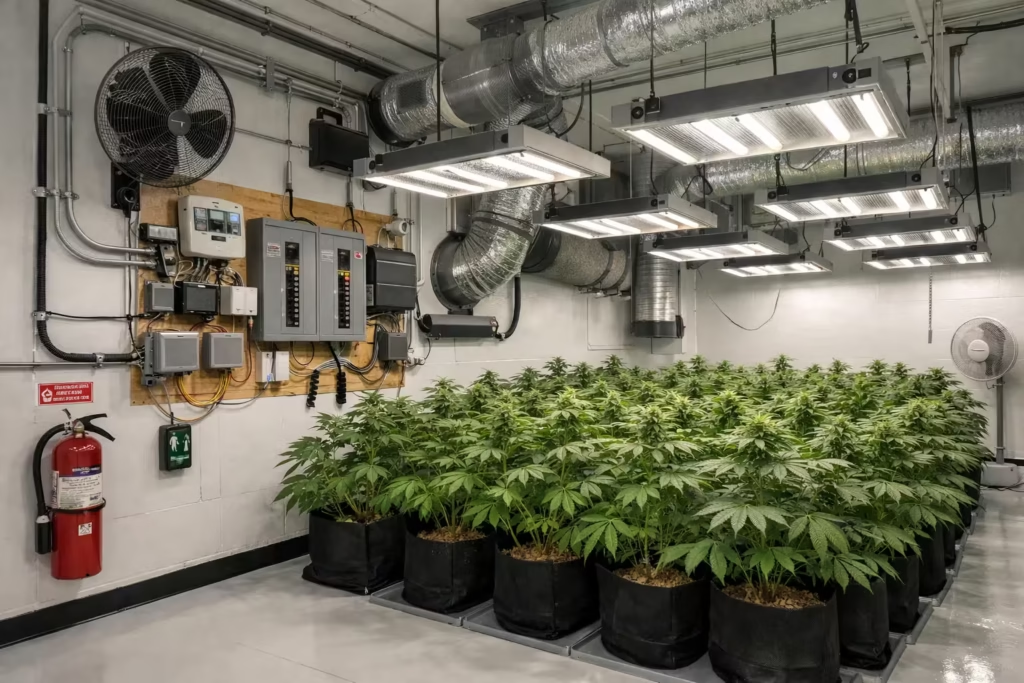
Electrical Safety and Load Management
Electrical safety is the foundation of a safe grow house. Grow lights, exhaust fans, dehumidifiers, and controllers can put heavy strain on circuits. Overloaded outlets and cheap power strips are common causes of fires in indoor grow rooms.
Use dedicated circuits, high-quality surge protectors, and properly rated extension cords. Keep all electrical connections elevated and away from water. From a grower’s perspective, clean wiring and organized cable management aren’t optional—they’re essential for long-term safety.
Fire Prevention and Heat Control
Heat buildup is a real risk in an indoor cannabis grow house, especially when lighting and ventilation aren’t balanced. Excess heat can damage equipment, dry out plants, and create fire hazards.
Install smoke detectors near the grow area, keep fire extinguishers accessible, and maintain proper airflow to remove hot air. LED grow lights reduce heat compared to older systems, making them a safer option for many home growers. Stable temperatures protect both your harvest and your space.
Water Management and Moisture Control
Indoor growing combines water and electricity, so moisture control is critical. Leaks, spills, or standing water can cause electrical shorts, mold growth, and structural damage.
Use trays under pots, check hoses and reservoirs regularly, and ensure floors are sealed or waterproofed. Good drainage and humidity control reduce the risk of slippery surfaces, root problems, and hidden mold. A dry, clean floor keeps a grow house safe and manageable.
Ventilation and Air Quality Safety
Proper ventilation isn’t just for plant health—it’s also a safety issue. A poorly ventilated grow house can trap heat, humidity, and stale air, increasing mold risk and reducing oxygen levels.
Efficient exhaust systems, fresh air intake, and carbon filters help maintain clean, breathable air inside the grow space. From a cannabis gardener’s standpoint, fresh air keeps both plants and growers comfortable and safe during long grow cycles.
Mold, Mildew, and Health Protection
High humidity and poor airflow can lead to mold and mildew, which pose risks to both plants and human health. Spores can spread quickly in enclosed spaces if not controlled.
Maintain proper humidity levels, remove dead plant material promptly, and clean surfaces regularly. Wearing gloves and masks during heavy pruning or cleaning adds an extra layer of protection. Healthy plants grow best in healthy air.
Structural Safety and Space Organization
Grow houses should be organized and stable, with equipment mounted securely and pathways kept clear. Loose hanging lights, unstable shelves, or cluttered floors increase the risk of accidents and plant damage.
Keep walkways open for easy access and emergency movement. Secure fans, filters, and lights using proper mounts and hardware. A tidy grow house is not only safer—it’s easier to work in and maintain.
Odor Control and Discretion
Odor control isn’t just about privacy—it can also be a safety concern. Strong cannabis smells may attract unwanted attention or complaints, which can lead to inspections or legal issues depending on location.
Carbon filters, sealed rooms, and negative air pressure keep odors contained. Responsible cannabis gardeners design grow houses to be discreet, quiet, and well-controlled.
Emergency Preparedness and Monitoring
Every indoor grow house should be prepared for unexpected issues like power outages, equipment failure, or extreme weather. Backup timers, temperature alarms, and regular equipment checks help catch problems early.
Knowing where breakers, shutoff valves, and emergency tools are located saves time when it matters most. Prepared growers handle emergencies calmly and protect their grow investment.
Final Tips for Running a Successful Marijuana Grow House
A marijuana grow house doesn’t become successful by accident. It’s the result of consistent habits, smart observation, and gradual improvement. Once your indoor grow environment is built and running, these final grower-tested tips help turn a good setup into a reliable, high-yield cannabis cultivation system.
Start Small and Master the Basics
One of the biggest mistakes new indoor growers make is trying to do too much too fast. A smaller grow house is easier to control, cheaper to maintain, and far more forgiving when mistakes happen. Mastering the basics—light cycles, watering, airflow, and plant health—creates a strong foundation for long-term success.
Experienced cannabis gardeners know that scaling up only works when the fundamentals are already dialed in. Healthy habits learned in a small grow room carry over to larger setups later.
Observe Your Plants Every Day
Cannabis plants are excellent communicators. Leaf posture, color, growth rate, and overall vigor tell you exactly how the grow house environment is performing. Daily observation allows growers to catch issues early—before they impact yields or bud quality.
Instead of constantly changing settings, listen to what the plants are showing you. In a well-managed grow house, small adjustments guided by plant feedback lead to steady improvement.
Avoid Overfeeding and Overwatering
More nutrients and more water do not equal better growth. In indoor cannabis cultivation, overfeeding and overwatering are two of the most common causes of stress. Root health suffers when the growing medium stays too wet or nutrient levels climb too high.
Cannabis gardeners who focus on balance—proper dry-back cycles, correct nutrient strength, and stable pH—see stronger root systems and healthier plants throughout the grow cycle.
Keep the Grow House Environment Stable
Consistency is everything in a marijuana grow house. Plants respond best to stable temperature, humidity, airflow, and lighting schedules. Frequent swings stress plants and slow development, especially during flowering.
Once your environment is dialed in, resist the urge to constantly tweak settings. A steady grow house produces better buds than a perfectly tuned setup that changes every day.
Track Results and Learn From Each Harvest
Keeping simple grow notes helps identify what works and what doesn’t. Record feeding schedules, environmental ranges, strain performance, and harvest results. Over time, these notes turn indoor growing into a repeatable process rather than guesswork.
Seasoned cannabis gardeners improve yields not by copying others, but by learning from their own grow house data.
Upgrade Equipment Gradually, Not All at Once
You don’t need the most expensive gear to grow great cannabis. Focus first on reliable lighting, ventilation, and climate control. Once those are solid, upgrades like automation, better monitoring tools, or improved filtration can enhance efficiency.
Gradual upgrades keep costs manageable and prevent unnecessary complications in the grow house.
Stay Clean and Reset Between Cycles
A successful grow house stays productive because it starts fresh every cycle. Cleaning after harvest, sanitizing surfaces, and resetting the environment prevents pests and diseases from carrying over.
Cannabis gardeners who respect cleanliness see fewer problems and smoother grow cycles year after year.
Be Patient and Let the Plants Finish Properly
Rushing harvest is one of the hardest habits to break. Giving cannabis plants time to fully mature improves potency, flavor, aroma, and overall bud structure. Trichome development and proper drying and curing matter just as much as the grow itself.
Patience is what turns good indoor cannabis into truly top-shelf flower.
Frequently Asked Questions (FAQ)
The cost of building a marijuana grow house depends on size, equipment quality, and climate control needs. A small personal indoor grow house can cost $300–$800, while a more advanced setup with high-end LED lights, ventilation, and automation can range from $1,000 to $3,000 or more. Many cannabis gardeners start small and upgrade over time to manage costs efficiently.
The number of cannabis plants you can grow in a grow house depends on available space, lighting coverage, and local cultivation laws. A small indoor grow room typically supports 2–6 plants, while larger grow houses can handle 8–20+ plants with proper spacing and airflow. Always follow legal plant limits in your region.
For most indoor growers, full-spectrum LED grow lights are the best choice for a marijuana grow house. They provide strong light output, lower heat, and better energy efficiency compared to older lighting systems. LEDs support both vegetative growth and flowering while reducing electricity costs and heat-related stress on plants.
Grow houses control odor using carbon filters paired with inline exhaust fans. These systems scrub cannabis terpenes from the air before it exits the grow space. Proper sealing, negative air pressure, and consistent ventilation help keep grow house smells contained and discreet, especially during the flowering stage.
A marijuana grow house offers more space, flexibility, and scalability than a grow tent. Grow houses allow better airflow, larger plant counts, and customized layouts. Grow tents are easier for beginners and small spaces, while grow houses are ideal for growers seeking long-term indoor cultivation and higher yields.
Yes, beginners can successfully run a marijuana grow house by starting small and focusing on the basics. Using soil, LED lights, and simple ventilation makes indoor growing more forgiving. With daily observation and gradual learning, new cannabis gardeners can achieve healthy plants and consistent harvests.
Mold prevention in a grow house starts with proper humidity control, strong airflow, and clean conditions. Keep humidity lower during flowering, avoid overcrowding plants, and use dehumidifiers if needed. Regular cleaning and good ventilation greatly reduce the risk of mold and bud rot.
Electricity usage depends on grow house size, lighting wattage, and climate equipment. LED grow lights significantly reduce power consumption compared to older systems. Small grow houses use moderate electricity, while large, climate-controlled setups use more. Energy-efficient equipment helps keep costs manageable.
Cannabis plants prefer warmer temperatures and higher humidity during the vegetative stage, and slightly cooler, drier conditions during flowering. Maintaining stable temperature and humidity ranges helps prevent stress, improve growth, and protect bud quality throughout the grow cycle.
From seed to harvest, most indoor cannabis plants take 3–5 months, depending on strain and growing method. The vegetative stage usually lasts 4–8 weeks, followed by 8–10 weeks of flowering. A controlled grow house environment helps keep growth consistent and predictable.
Conclusion: Is a Marijuana Grow House Right for You?
Building and running a marijuana grow house is one of the most rewarding paths a cannabis gardener can take. It combines control, consistency, and craftsmanship—allowing you to grow cannabis on your own terms, in a stable indoor environment that supports healthy plants and reliable harvests.
When done right, a grow house turns indoor cannabis cultivation from guesswork into a repeatable system.
The biggest advantage of a marijuana grow house is complete environmental control. By managing lighting, temperature, humidity, airflow, and feeding schedules, growers can eliminate many of the problems that plague outdoor or poorly managed indoor grows. This control leads to stronger plants, denser buds, richer terpene profiles, and more predictable results.