What Is Seeding Weed? Causes, Effects, and How to Prevent It (Complete Grower’s Guide)

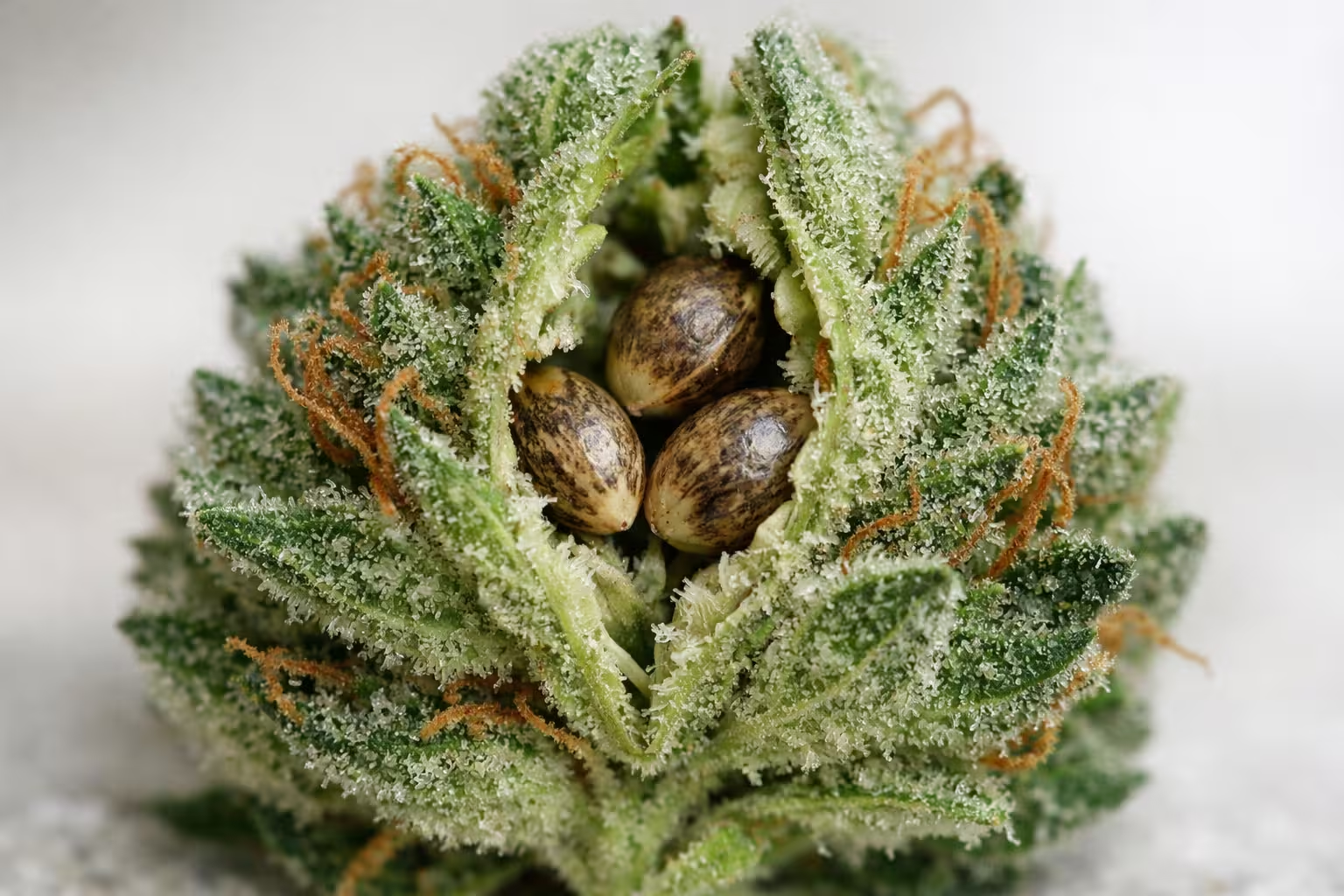
If you’ve ever harvested a plant that looked healthy and frosty, only to discover hard little seeds hidden inside the buds, you’ve already experienced seeding weed. For cannabis growers, especially those chasing high-quality sinsemilla, seeded weed is usually disappointing. It often means reduced potency, harsher smoke, and lost yield potential.
Seeding weed isn’t rare, especially for beginners, but it’s also not random. Cannabis plants only produce seeds for specific biological reasons, and in almost every case, those reasons can be identified, corrected, and prevented in future grows.
In this complete guide, I’ll walk you through what seeding weed really means, why it happens, how it affects your harvest, and exactly how to stop it, whether you’re growing indoors or outdoors.
What Does “Seeding Weed” Mean?
What Is Seeded Cannabis?
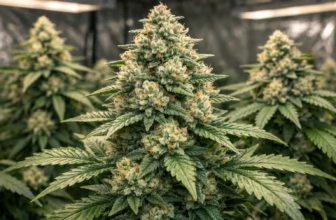
Seeded cannabis refers to female cannabis buds that contain developed seeds. This only happens after pollination. Once pollen reaches the female pistils during flowering, the plant switches its priority from resin and flower production to reproduction.
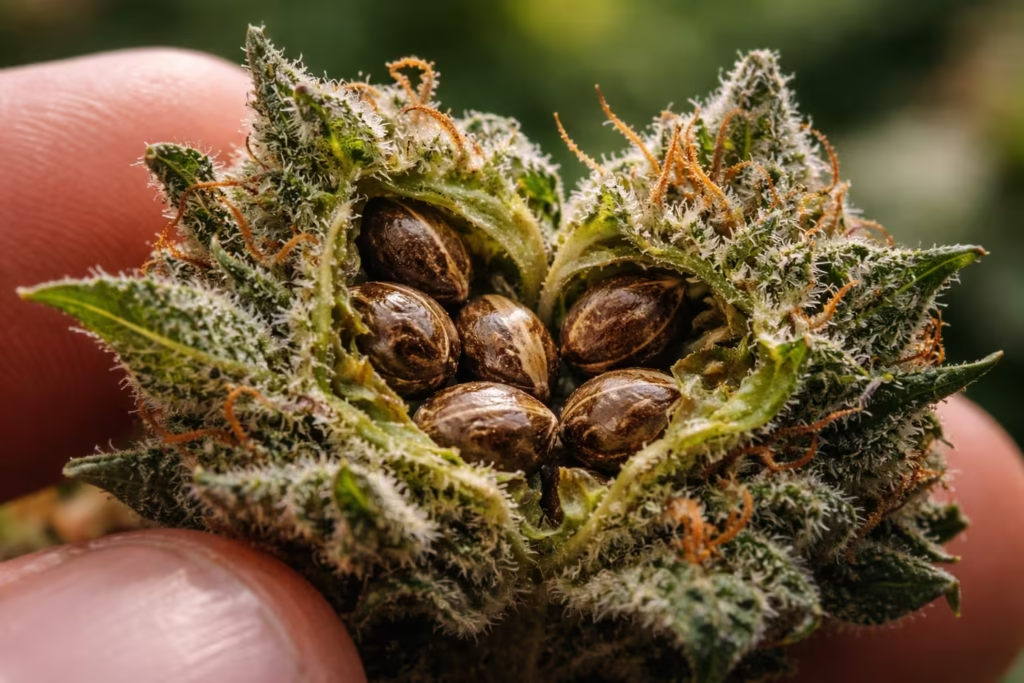
From a biological standpoint, this makes sense. From a grower’s standpoint, it’s usually bad news.
When a plant begins producing seeds:
- THC production slows down
- Terpene development decreases
- Bud density often suffers
- Overall quality drops
You may still get smokable weed, but it won’t be at its full potential.
Seeding Weed vs Sinsemilla (Seedless Cannabis)
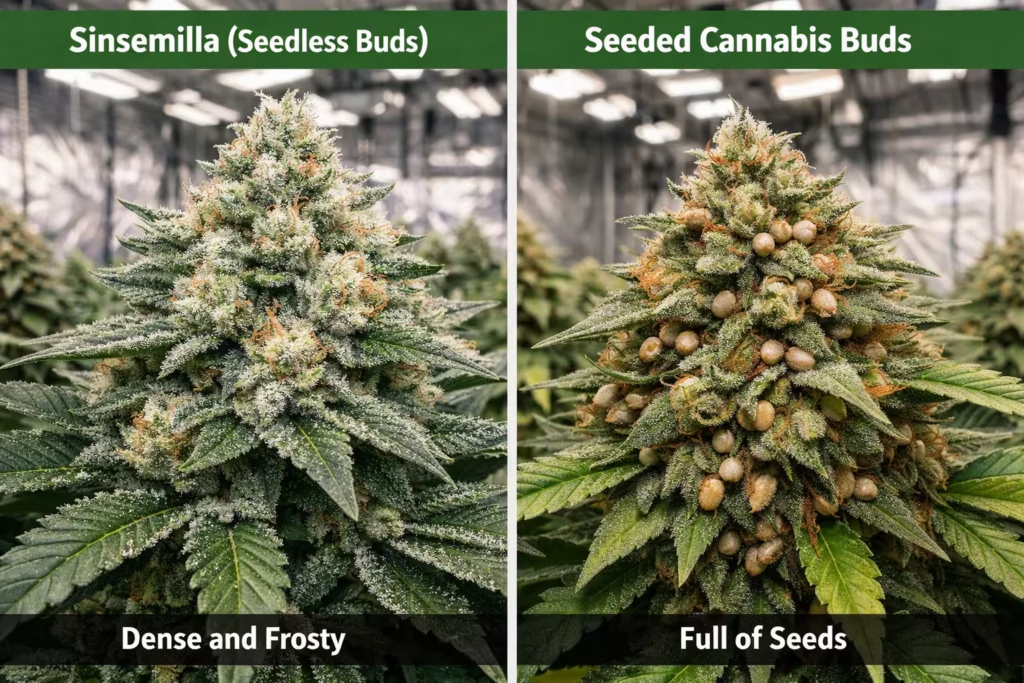
Sinsemilla means “without seeds.” This is the standard for modern cannabis cultivation, especially for recreational and medical use. Sinsemilla buds are:
- More potent
- More aromatic
- Smoother to smoke
- Higher in cannabinoid and terpene content
Seeding weed is essentially the opposite. When plants are pollinated, energy that would normally go toward trichome and flower production is redirected into seed formation. That’s why seeded buds often look less frosty and feel less sticky.
Why Do Weed Plants Produce Seeds?
Cannabis Pollination Explained (Grower-Friendly)
Cannabis is a dioecious plant, meaning male and female reproductive organs usually exist on separate plants. Pollination occurs when male pollen contacts female pistils. Once that happens, fertilization begins, and seeds start forming inside the buds.
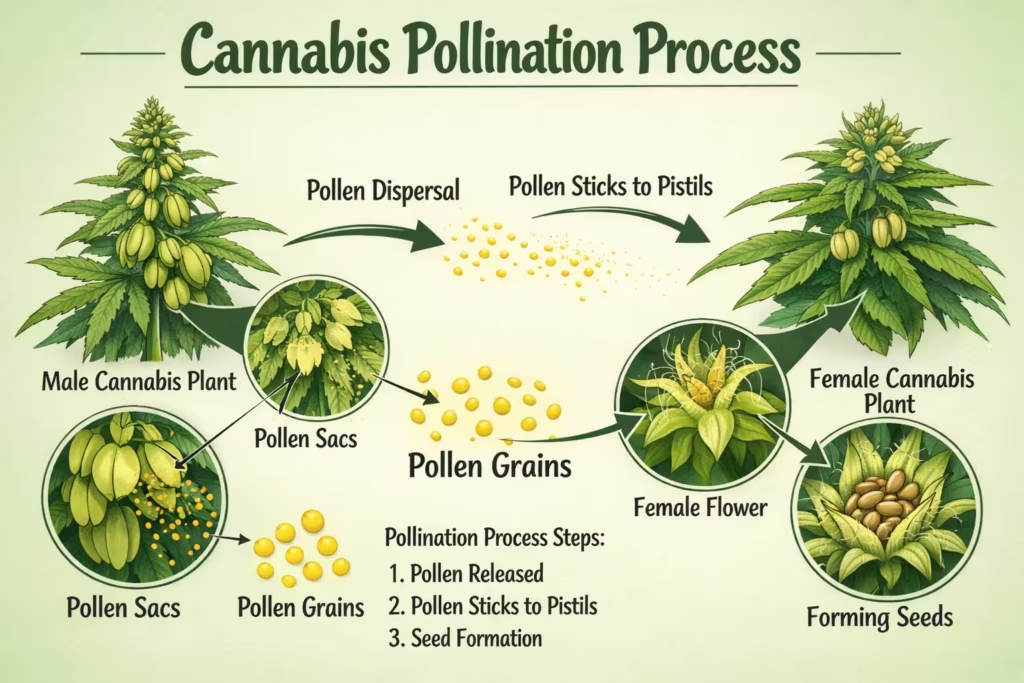
This process is natural in the wild but undesirable in most grow operations unless the goal is breeding or seed production.
Pollen is extremely fine and can:
- Travel through air
- Stick to clothes
- Move between rooms
- Travel long distances outdoors
That’s why even one missed male plant can seed an entire crop.
Male vs Female Cannabis Plants
Understanding plant sex is foundational for preventing seeding weed.
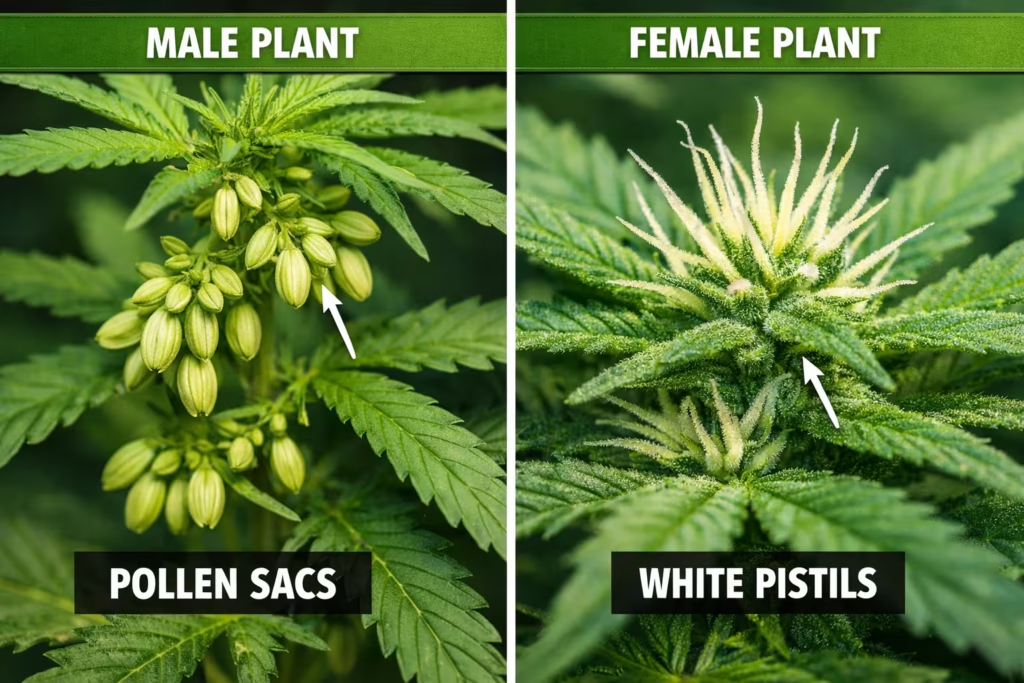
Male cannabis plants:
- Produce pollen sacs
- Do not grow buds
- Must be removed early
Female cannabis plants:
- Produce flowers (buds)
- Develop pistils
- Are the desired plants for harvest
Males usually reveal themselves during pre-flower, which is why daily inspection during this phase is critical.
Hermaphrodite Cannabis Plants (A Major Cause of Seeding)
Hermaphrodite plants, often called “hermies,” are one of the most common causes of unexpected seeding weed. These plants develop both female flowers and male pollen sacs.
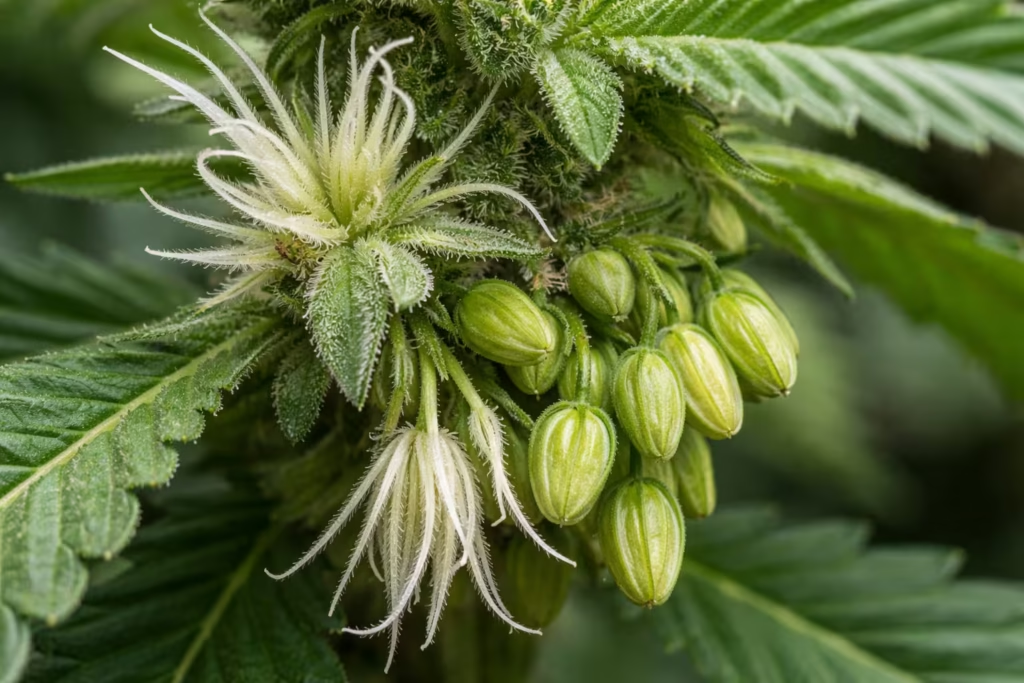
Hermaphroditism is often triggered by:
- Stress
- Unstable genetics
- Light interruptions
- Environmental extremes
Once a plant goes hermie, it can self-pollinate, causing seeds even if no male plants are present.
What Causes Accidental Seeding in Weed Plants?
Light Leaks During Flowering (Indoor Grower Killer)
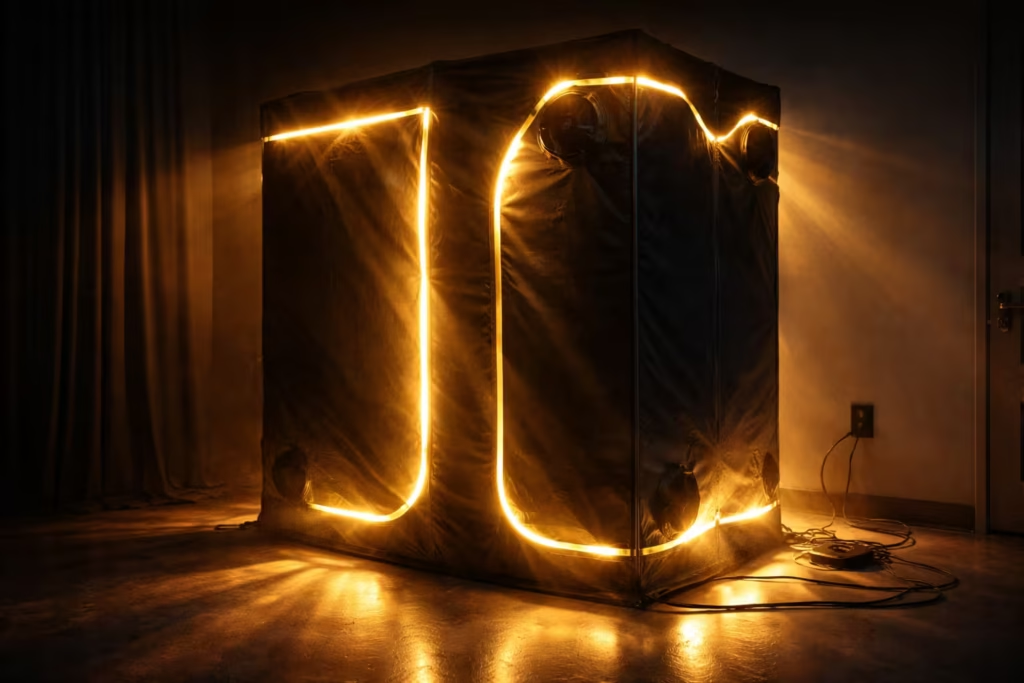
Light leaks are one of the most overlooked yet dangerous mistakes indoor growers make. Cannabis plants need uninterrupted darkness during flowering. Even small light leaks from:
- LEDs
- Power strips
- Door cracks
- Grow tent zippers
can stress plants enough to trigger hermaphroditism.
If your grow room isn’t pitch black during lights-off, you’re risking seeded weed.
Stress Factors That Trigger Seeding
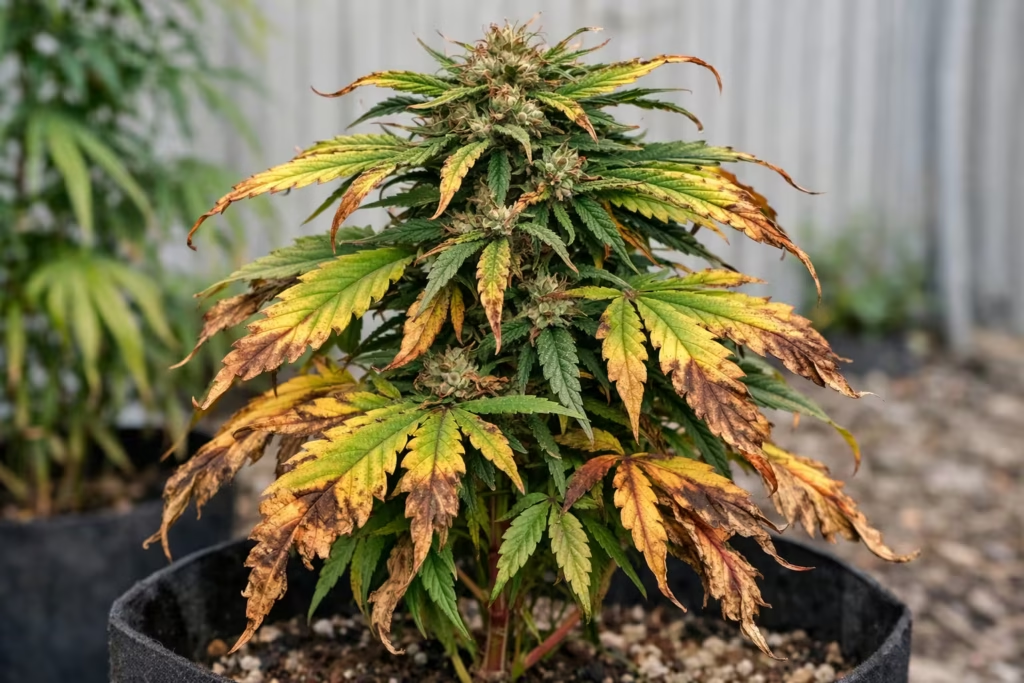
Cannabis plants respond to stress by trying to reproduce as a survival mechanism. Common stressors include:
- Heat stress
- Cold snaps
- Nutrient toxicity or deficiency
- Over-pruning
- Inconsistent watering
- Root-bound conditions
Stress stacking (multiple issues at once) greatly increases the risk of plants producing male flowers.
Outdoor Pollination Risks
Outdoor growers face unique challenges. Pollen can travel miles under the right conditions. Nearby:
- Male cannabis plants
- Hemp fields
- Guerrilla grows
can all cause accidental pollination.
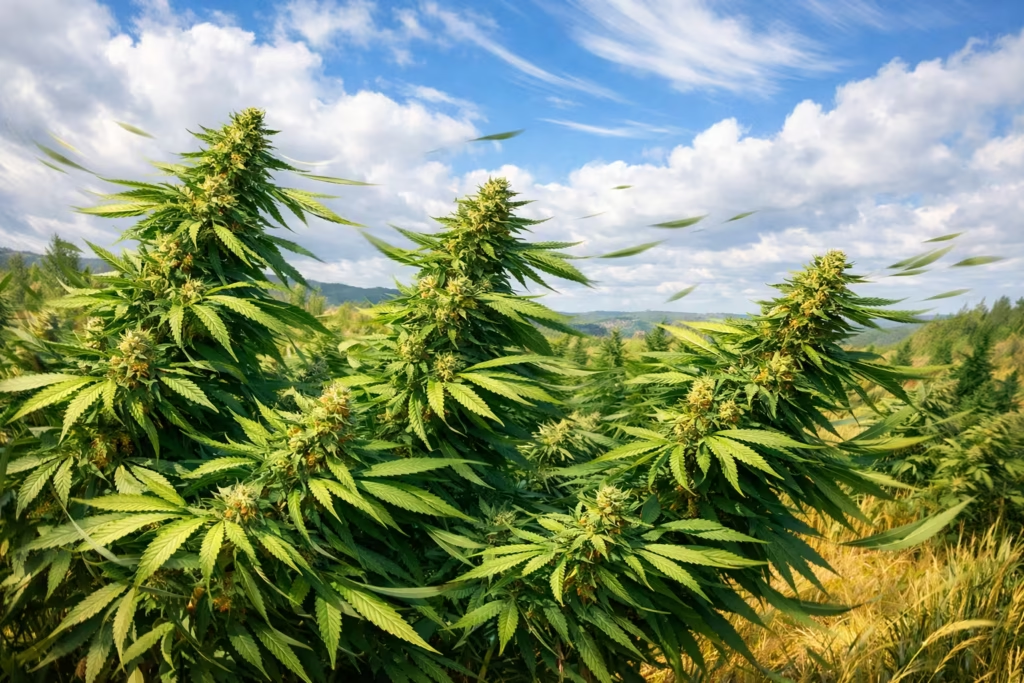
This is why outdoor growers often experience seeding even when everything else is done right.
Is Seeded Weed Bad?
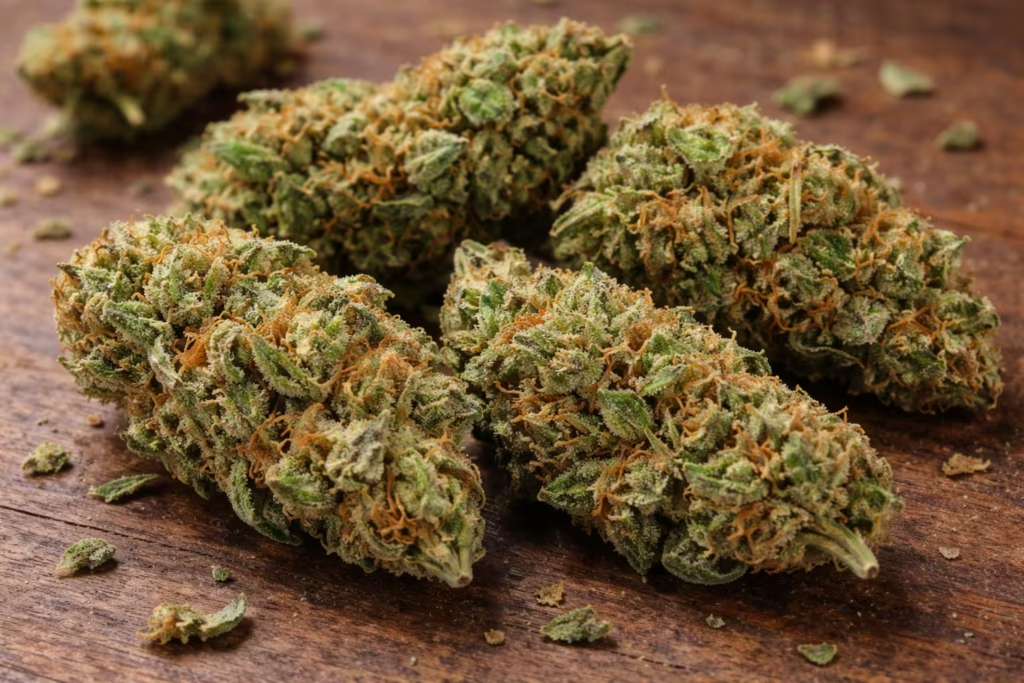
How Seeds Affect THC and Potency
Once pollination occurs, THC production slows. The plant’s biological priority shifts toward seed maturation. This results in:
- Lower cannabinoid concentration
- Less resin development
- Reduced overall potency
Seeded weed can still get you high, but it won’t hit like properly grown sinsemilla.
Taste, Smoke Quality, and Harshness
Seeds burn hot and fast. When smoked:
- They crackle and pop
- Produce harsh smoke
- Degrade flavor
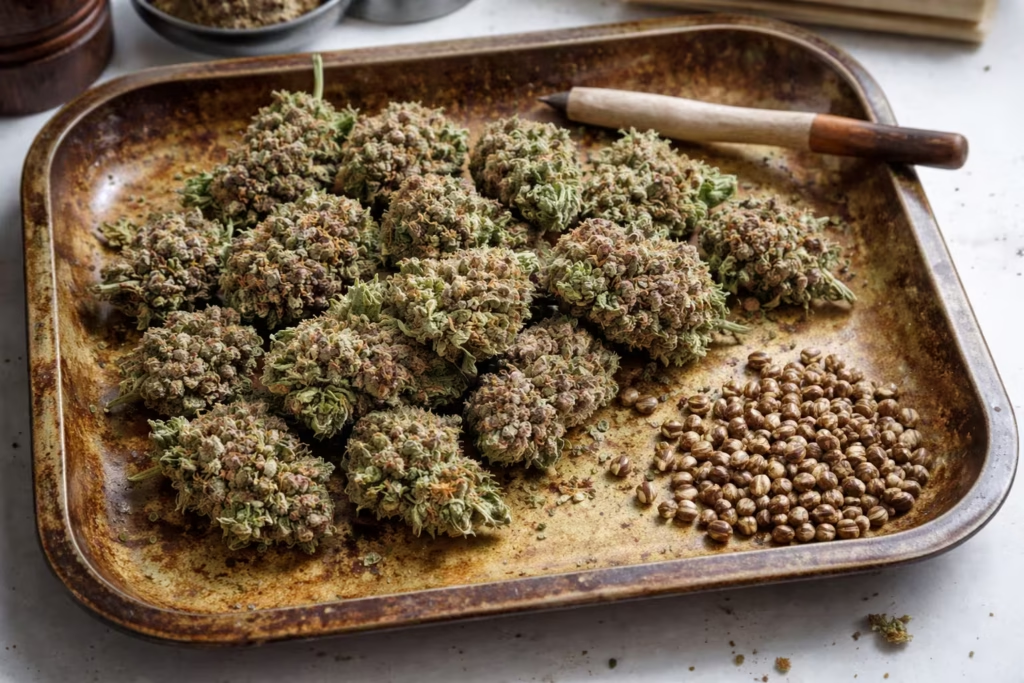
Seeded buds also tend to have fewer terpenes, resulting in flatter taste profiles.
Can You Still Use Seeded Weed?
Absolutely. Seeded weed can still be used for:
- Edibles
- Butter or oil
- Tinctures
- Low-grade extracts
Just remove the seeds before processing.
Can You Grow Weed From Accidental Seeds?
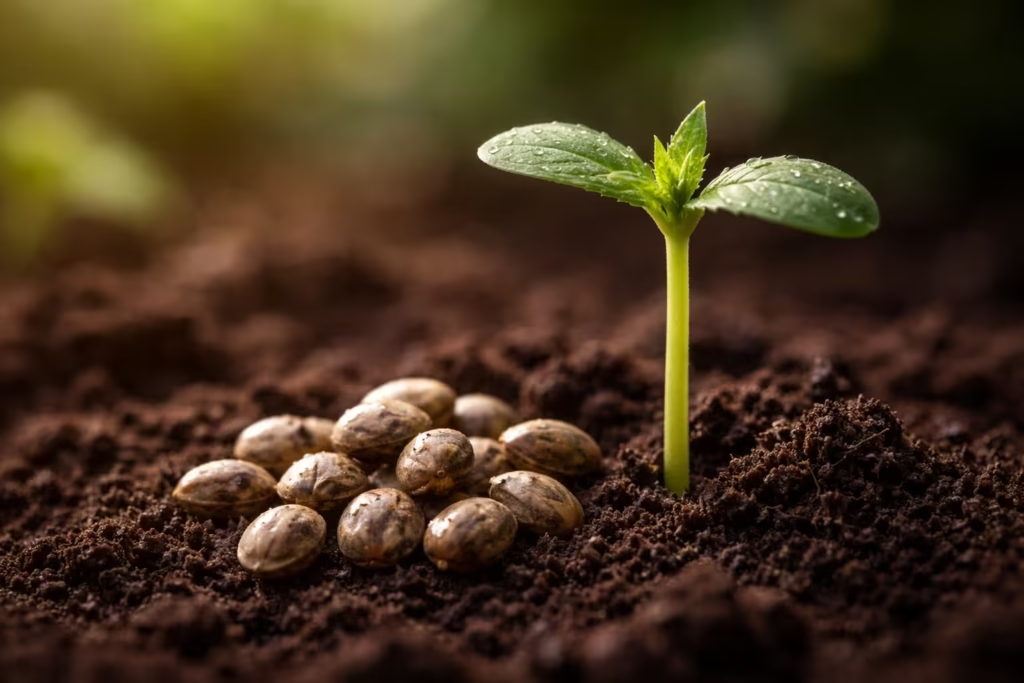
Are Seeds From Seeded Weed Viable?
Many accidental seeds will germinate, especially if they’re mature. However, viability doesn’t equal quality. Seeds from stressed or hermaphrodite plants often carry unstable genetics.
Risks of Growing Bag Seeds
Bag seeds often produce:
- Hermaphrodites
- Inconsistent traits
- Lower stability
They can still be useful for learning, but they’re not ideal for production grows.
When Growing Accidental Seeds Makes Sense
Growing bag seeds is acceptable for:
- Beginners practicing
- Phenotype experiments
- Low-risk personal grows
Just don’t expect top-shelf consistency.
How to Prevent Weed Plants From Seeding (Most Important)
Identify and Remove Males Early
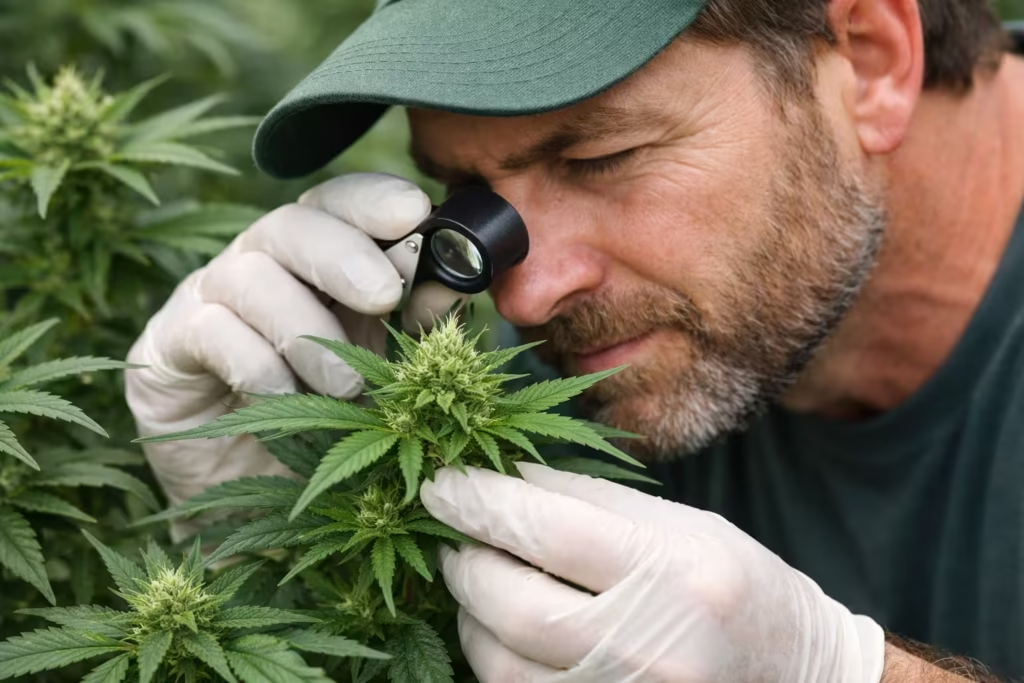
Inspect plants daily during pre-flower. Male pollen sacs look like small balls without hairs. Remove males immediately and isolate them from the grow area.
Prevent Hermaphrodites
To prevent hermies:
- Use stable genetics
- Avoid stress
- Maintain consistent environment
- Never interrupt dark cycles
Once a plant shows male flowers late in bloom, removal is often the safest choice.
Control Light Cycles Perfectly
Indoor growers must maintain:
- 12/12 strict lighting
- Zero light leaks
- Timers with battery backup
Light discipline alone prevents a huge percentage of seeded weed issues.
Outdoor Grower Prevention Tips
- Use feminized seeds
- Monitor nearby grows
- Harvest early if pollen risk rises
- Choose isolated grow locations
Seeding Weed vs Accidental Pollination
Intentional pollination is controlled and planned. Accidental pollination is chaotic and destructive to bud quality. Knowing the difference helps growers refine their goals.
Common Grower Mistakes That Lead to Seeding Weed
- Ignoring early pollen sacs
- Poor grow room sealing
- Using unstable genetics
- Over-stressing plants
- Skipping daily inspections
Every mistake is a lesson that improves the next grow.
Frequently Asked Questions About Seeding Weed
No. Female plants can seed due to hermaphroditism or external pollen.
Yes, even late-stage pollination can produce immature seeds.
Not always, but it’s rarely ideal for smoking.
Final Thoughts: Is Seeding Weed Always a Failure?
Seeding weed isn’t the end of your grow journey. It’s feedback. Every seeded harvest teaches you something about genetics, stress, and environmental control. With the right adjustments, your next grow can produce dense, frosty, seedless sinsemilla.
That’s how every great grower learns 🌿