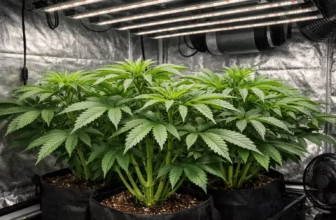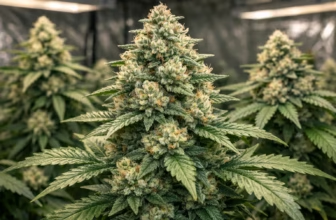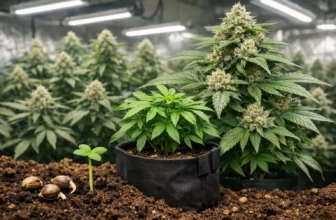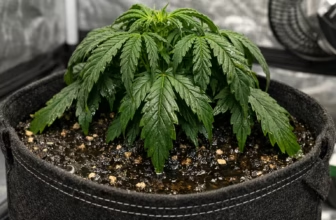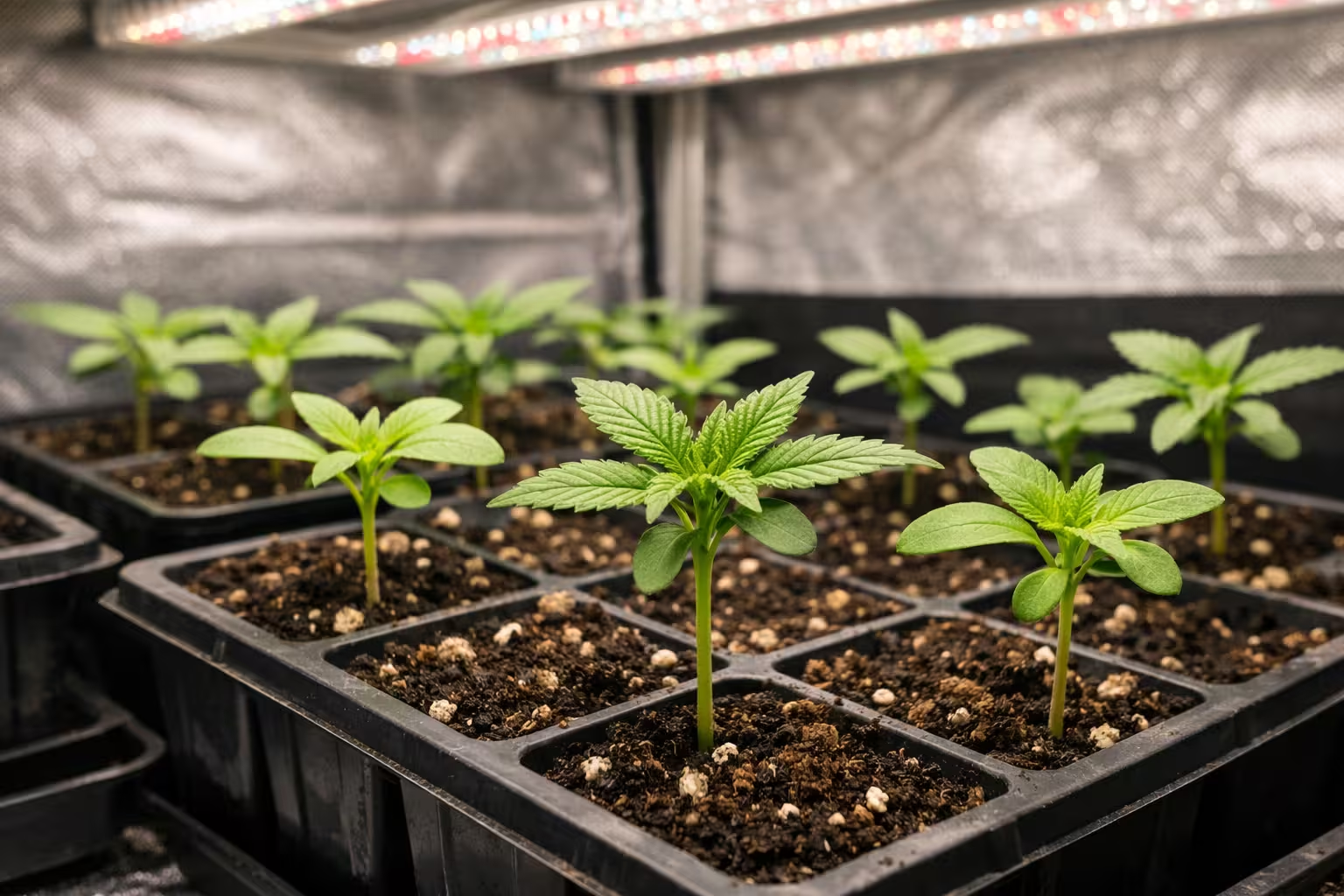
Seedlings may look simple above the soil, but this stage is where future plant strength is built. A weak seedling often stays weak later, while a properly lit seedling usually develops thicker stems, stronger roots, and healthier leaf structure before entering vegetative growth.
The light schedule during the first days after sprouting affects almost everything: stem stretch, cotyledon expansion, first true leaves, root establishment, and how efficiently the plant starts photosynthesis. Many beginner growers focus only on watering, but poor lighting is one of the biggest reasons seedlings become thin, pale, or unstable.
For most indoor growers, the safest starting point is 18 hours of light and 6 hours of darkness. Some growers push seedlings to 20/4, while others experiment with 24 hours of continuous light, but not every method gives the same result.
The key is not only how long the light stays on, but also how intense the light is, how far the fixture sits above the canopy, and whether the seedling gets enough darkness to support healthy metabolic recovery.
Why Light Schedule Matters During the Seedling Stage
The seedling stage is the first period where the plant shifts from stored seed energy into active growth. During germination, the seed relies mostly on internal nutrients, but once cotyledons open, light becomes the main energy source.
A correct schedule at this stage teaches the young plant how to build rhythm. Plants respond strongly to consistency. When light timing changes too often, seedlings often show uneven growth, delayed leaf formation, or stress.
How seedlings use light during early development
Once cotyledons open, the seedling starts converting light into energy through photosynthesis. This energy supports the first true leaves and root branching below the soil.
At this stage, seedlings do not need extremely strong light because leaf area is still very small. Moderate exposure works better than intensity overload. Gentle but stable light encourages balanced upward and downward growth.
If light is too weak, the seedling stretches because it searches upward for stronger light. If light is too strong, leaf edges may tighten, curl, or stop expanding.
Why darkness is also important
Darkness is not wasted time. During dark hours, seedlings continue internal metabolic work that supports root expansion and tissue repair.
Many growers assume more light always means faster growth, but darkness allows the plant to process sugars built during the light cycle. Root activity often becomes more efficient during dark periods.
This is why many experienced growers still prefer giving seedlings a regular dark phase rather than running lights continuously.
Why seedlings react quickly to light stress
Young seedlings have thin stems, tiny roots, and limited stored energy. Because of that, even small mistakes show quickly.
A mature vegetative plant can tolerate stronger light swings, but seedlings respond within days through stretching, drooping, pale growth, or stalled development.
That is why stable scheduling matters more in week one than many beginners realize.
Best Light Schedule for Seedlings Indoors
Indoor growers control everything, so light schedule becomes one of the most important decisions during early growth.
The goal is steady development without pushing the plant too hard before roots fully establish.
18/6 light schedule for seedlings
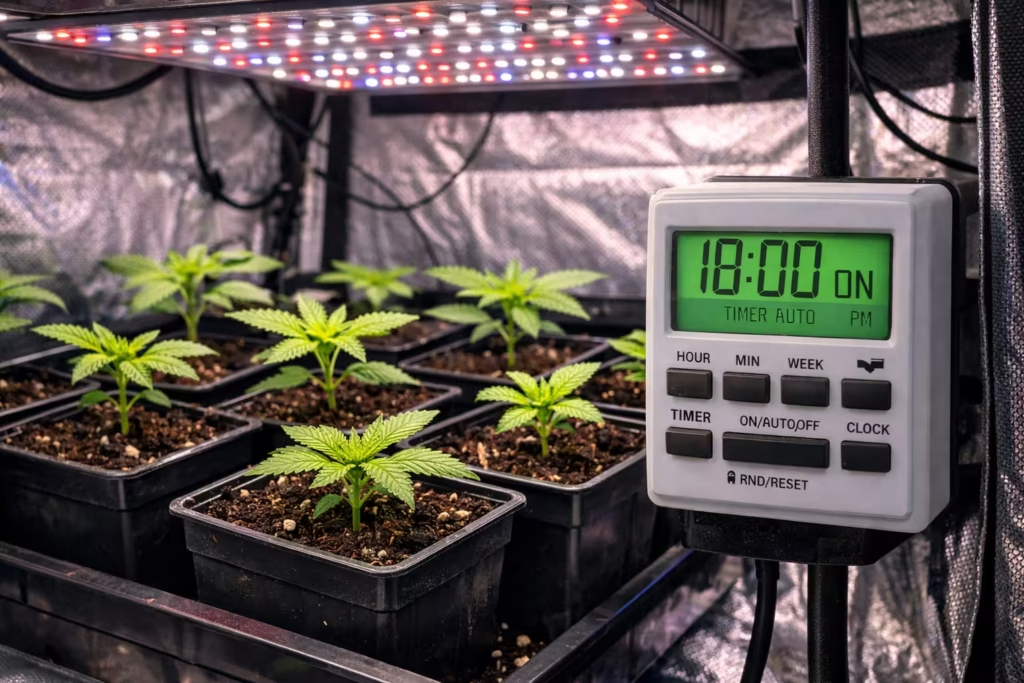
The 18/6 schedule remains the most widely used seedling schedule because it gives enough light for active growth while still allowing recovery time.
Eighteen hours provides strong daily photosynthesis without forcing continuous metabolic activity.
This often produces:
- thicker stems
- balanced node spacing
- stable cotyledon health
- lower stress risk
For beginners, 18/6 usually gives the most forgiving results.
20/4 light schedule for faster growth
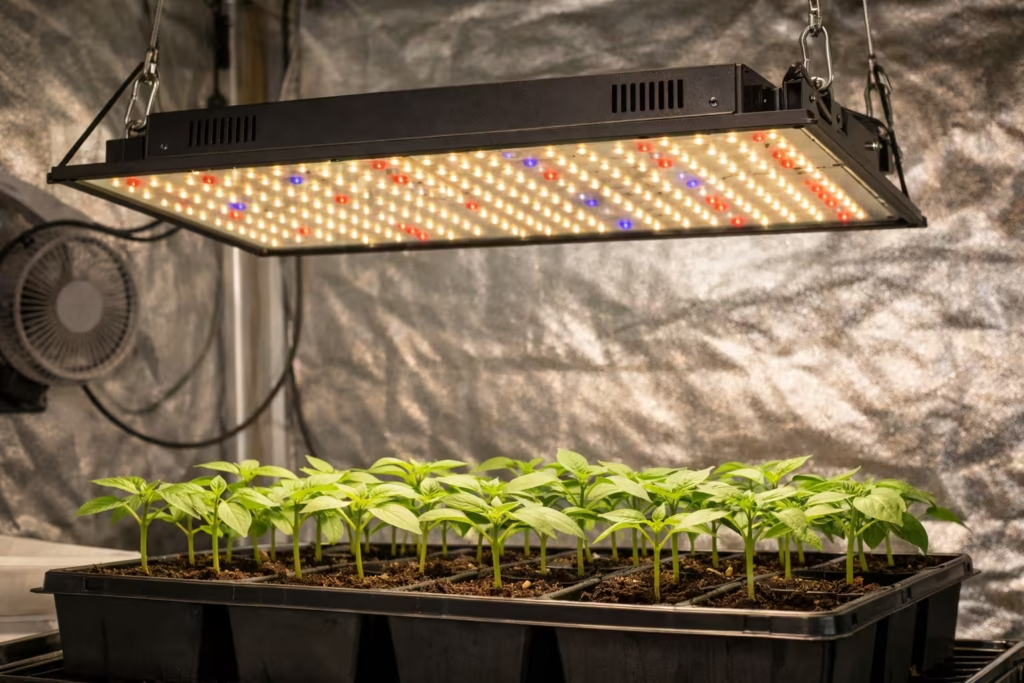
Some growers extend light to 20 hours because seedlings receive more total energy each day.
This can slightly increase early leaf expansion when all other conditions are stable:
- temperature controlled
- humidity correct
- light intensity moderate
The difference is usually modest, not dramatic. If environment is imperfect, extra hours may create more stress than benefit.
24 hours light — when growers use it and risks
Continuous light is sometimes used in controlled grow rooms, but seedlings do not always benefit from nonstop exposure.
Possible risks:
- unnecessary heat buildup
- mild metabolic stress
- weaker root rhythm
Some seedlings tolerate it, but many growers report better structure under schedules with darkness included.
18/6 vs 20/4 for Seedlings
This comparison matters because many growers debate whether extra hours create noticeably stronger seedlings.
Which schedule gives stronger early growth
In most normal home grow environments, 18/6 often gives sturdier structure because the plant gets rhythm.
20/4 can push slightly faster leaf development, but only if intensity is already well controlled.
Which schedule reduces stretching
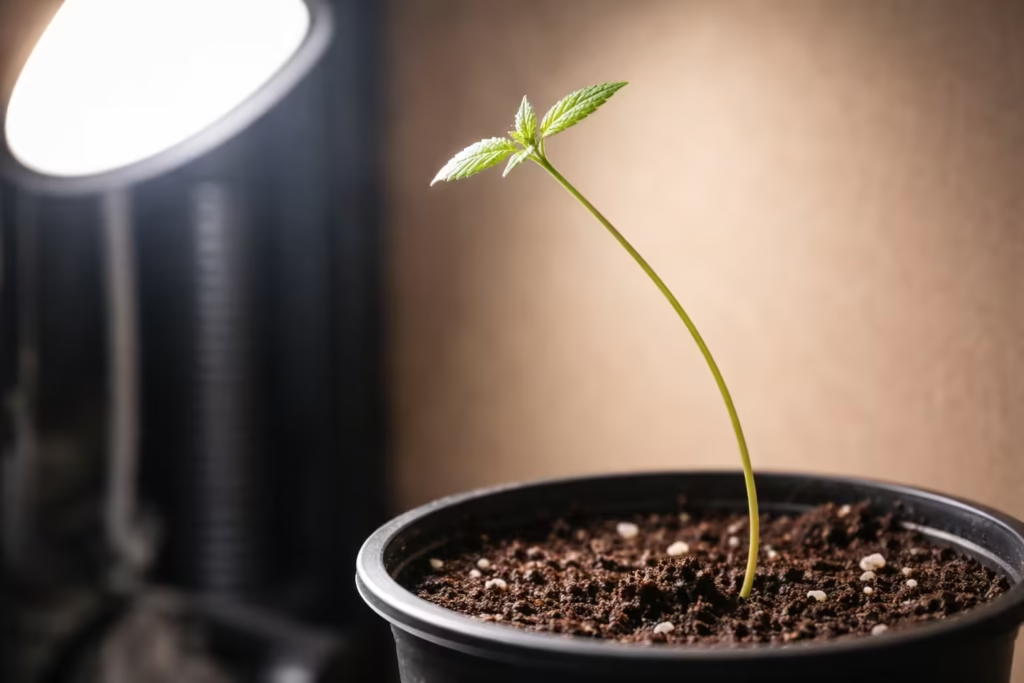
Stretching depends more on intensity than total hours, but 18/6 under proper LED distance usually controls stretch very well.
Weak light causes more stretch than short photoperiod.
Which schedule saves electricity
18/6 naturally saves more energy over time.
For larger indoor gardens, this becomes important because lighting cost adds up across weeks.
Do Seedlings Need Darkness?
Yes, most seedlings benefit from darkness even though they can survive under continuous light.
What happens during dark cycle
Darkness supports:
- sugar movement
- respiration
- root energy allocation
This internal balance often improves seedling stability.
Can seedlings survive without darkness
Yes, but survival and optimization are different things.
A seedling may survive under 24-hour light yet still grow better with scheduled darkness.
Why many experienced growers still prefer dark hours
Growers often notice:
- stronger stem posture
- calmer leaf structure
- lower stress signs
That is why darkness remains common in serious cultivation.
Best Light Intensity for Seedlings
Hours matter, but intensity matters just as much.
Too many beginners damage seedlings not with schedule but with excessive brightness.
Recommended PPFD range for seedlings
A safe early range is usually low-to-moderate seedling intensity.
Young seedlings need gentle exposure, not vegetative-level power.
Why strong light can damage seedlings
Too much intensity causes:
- leaf curl
- stalled growth
- dry surface tissue
Young leaves cannot process excessive photons efficiently.
How weak light causes stretching
Weak light creates tall thin stems because seedlings stretch toward source energy.
This is one of the most common beginner problems.
Best Distance Between Grow Light and Seedlings
Distance controls usable intensity.
LED distance for seedlings
Modern LEDs often need extra distance early because they deliver concentrated output.
Too close causes stress quickly.
Fluorescent light distance
Fluorescent fixtures can sit closer because output is softer.
This often works well for first week seedlings.
Signs light is too close
Watch for:
- leaf tacoing
- upward curl
- dry cotyledons
Signs light is too far
Watch for:
- large internode gap early
- thin stems
- leaning seedlings
Best Light Spectrum for Seedlings
Spectrum influences shape and behavior.
Blue spectrum benefits
Blue-rich light supports:
- compact growth
- short internodes
- sturdy stems
Full-spectrum LED advantages
Full-spectrum fixtures simplify early growth because seedlings receive balanced wavelengths.
Why red-heavy light is less ideal early
Too much red can encourage unwanted stretching in early stage.
Light Schedule for Cannabis Seedlings vs Vegetable Seedlings
Not all seedlings respond identically.
Cannabis seedlings
Cannabis usually responds well to stable 18/6.
Tomatoes, peppers, herbs
Many vegetables also use similar schedules but tolerate slight variation.
Why some seedlings tolerate longer light hours differently
Species genetics affect light response.
Indoor vs Outdoor Seedling Light Schedule
Outdoor seedlings behave differently because sun changes naturally.
Indoor controlled schedule
Indoor timing stays exact, which makes growth predictable.
Natural daylight seedlings outdoors
Outdoor seedlings adjust naturally if temperature is suitable.
Supplemental light in cloudy conditions
Weak cloudy periods sometimes require extra support indoors.
Common Seedling Light Mistakes
Many seedling failures come from simple lighting mistakes.
Too much intensity too early
Beginners often hang LEDs too close.
Running strong light immediately after germination
Fresh sprouts need gentle introduction.
No dark cycle adjustment
Erratic timers confuse growth rhythm.
Uneven timer schedule
Plants prefer identical timing daily.
Signs Your Seedlings Are Getting Incorrect Light
The plant shows visual clues quickly.
Stretching stems
Usually weak light.
Pale leaves
Often intensity mismatch or weak energy use.
Curling or drooping
Often excessive light stress.
Slow leaf development
Can signal unstable schedule.
When to Change Seedlings to Vegetative Light Schedule
Transition timing matters.
Number of true leaves before transition
Usually once several true leaves develop steadily.
Timing for photoperiod plants
Photoperiod seedlings usually continue same schedule into veg.
Timing for autoflowers
Autoflowers often remain similar throughout early growth.
Best Timer Setup for Seedlings
Consistency matters more than complexity.
Why stable timing matters
Plants build internal rhythm.
Mechanical vs digital timer
Digital timers usually provide cleaner control.
Avoiding schedule interruptions
Avoid random manual switching.
Frequently Asked Questions
It can work, but often unnecessary.
Yes, easily.
Yes, once cotyledons emerge.
Usually through early seedling stage until vigorous vegetative growth begins.