

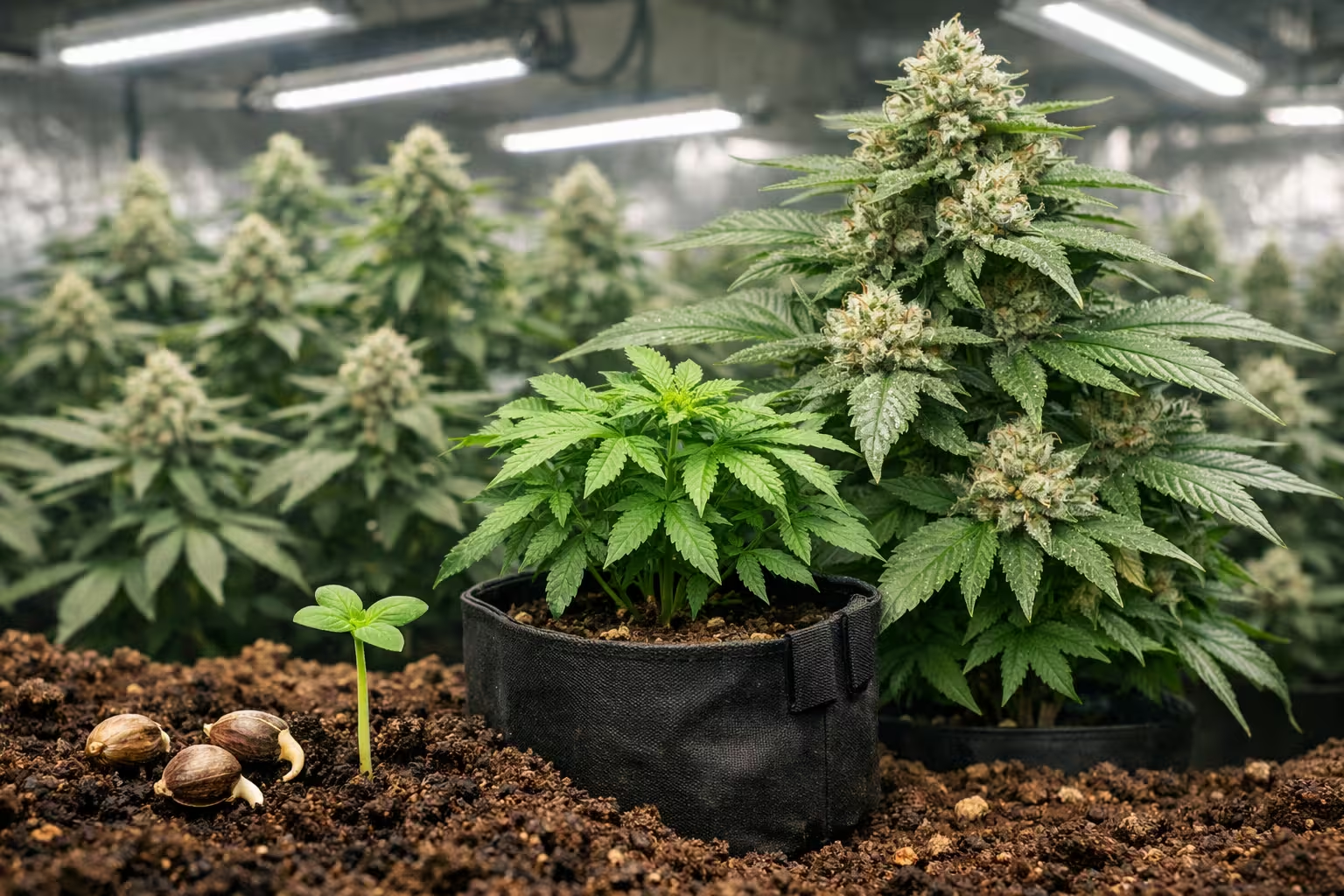
Growing weed looks simple from a distance, but once you start, you quickly realize cannabis responds to every small decision you make—seed quality, watering habits, light exposure, root space, temperature, and even airflow all influence the final harvest.
A healthy cannabis plant follows a predictable life cycle: germination, seedling development, vegetative growth, flowering, harvest, drying, and curing. If each stage is handled correctly, even a beginner can produce dense, healthy buds at home.
The biggest mistake new growers make is trying to force growth too fast. Cannabis usually rewards consistency more than constant adjustment. Stable light, moderate feeding, clean water, and patience often outperform expensive equipment.
Whether you plan to grow indoors under LED lights or outdoors under natural sunlight, the basic biology remains the same: roots need oxygen, leaves need light, and flowers need correct timing.
The best way to grow weed is to start with quality feminized seeds, germinate them in a warm environment, plant them in airy soil, provide proper light, water only when needed, feed nutrients carefully, and manage vegetative and flowering stages until harvest.
Choose the Right Weed Seeds Before You Start
The first decision shapes the entire grow.
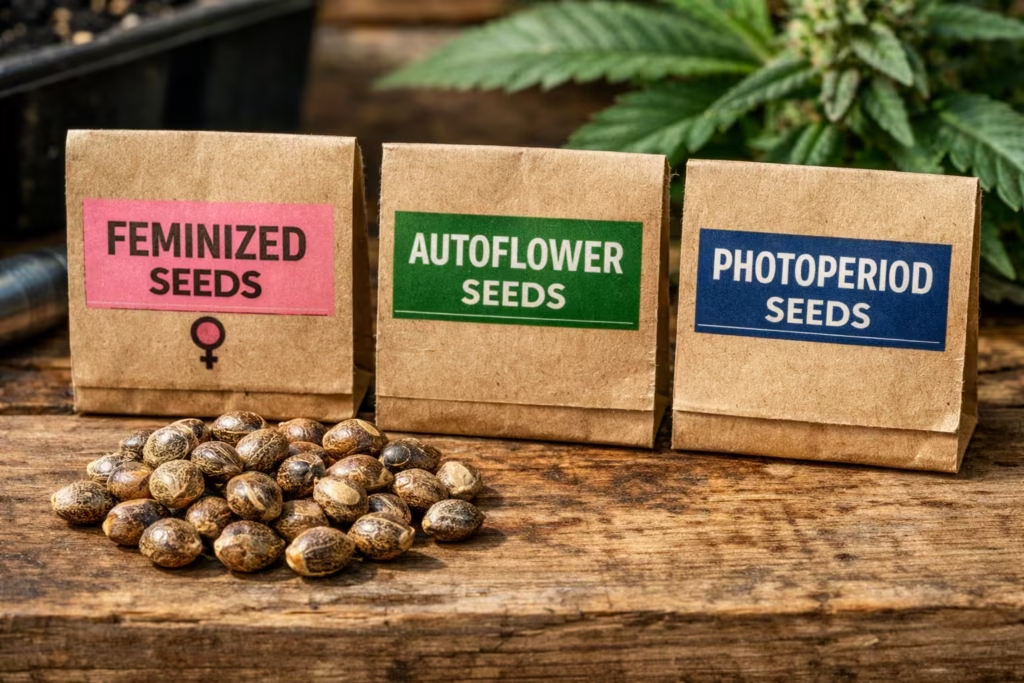
Not all cannabis seeds behave the same way. Genetics control growth speed, size, yield potential, resistance, and even how forgiving the plant will be when beginners make mistakes.
Feminized Seeds
Cannabis feminized seeds are usually best for beginners because they produce female plants, which are the plants that develop buds.
Benefits:
- no male plant removal
- predictable flowering
- easier canopy planning
Autoflower Seeds
Autoflower cannabis begin flowering automatically after a few weeks.
Best for:
- fast harvests
- simple beginner grows
- short outdoor seasons
Photoperiod Seeds
Photoperiod cannabis require a 12/12 light cycle to flower.
Best for:
- long vegetative control
- bigger yields
- training flexibility
Germinating Weed Seeds Properly
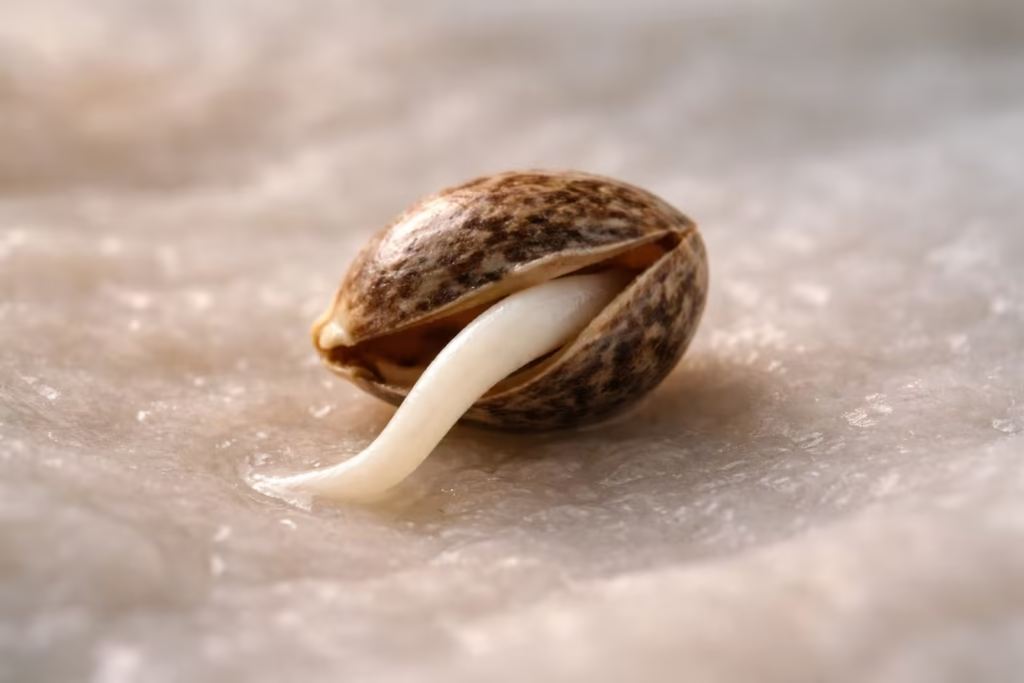
Seed germination determines early root strength.
A weak start often creates weak plants later.
Paper Towel Method
Place seeds between damp paper towels.
Keep them:
- warm
- dark
- moist but not soaked
Ideal temperature:
- 70–80°F
Most seeds crack within 24–72 hours.
When taproot appears, transfer immediately.
Direct Soil Germination
Many growers prefer planting directly into starter soil because roots remain undisturbed.
This reduces transplant stress.
Water Glass Method
Some growers soak seeds for 12–24 hours before towel germination.
Do not leave seeds submerged too long.
Too much water reduces oxygen.
Choosing the Best Growing Medium
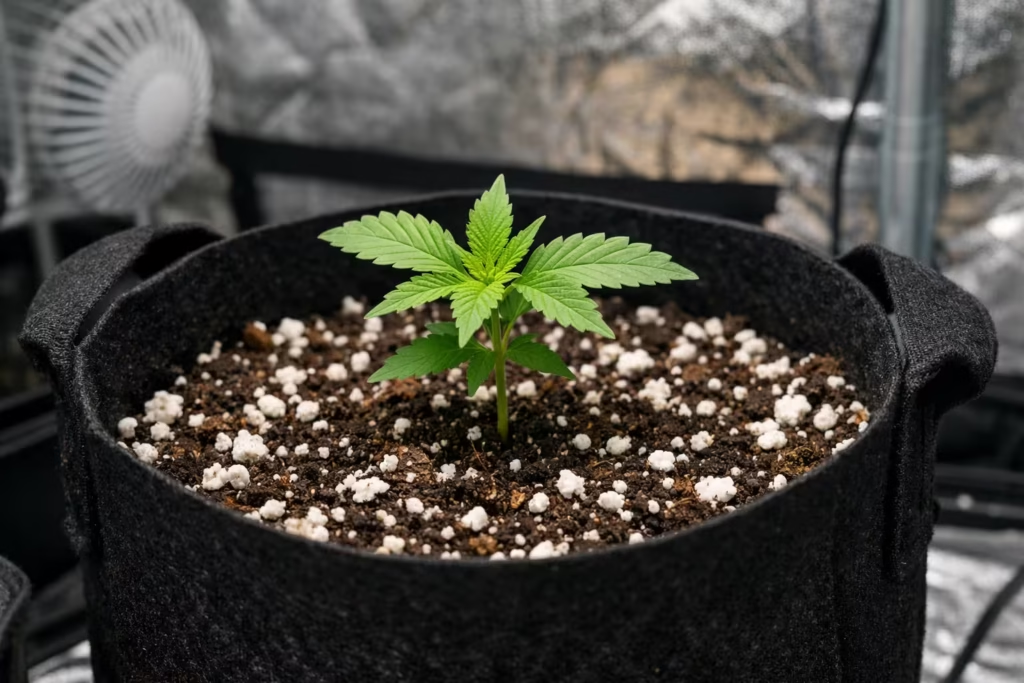
Roots determine everything above the soil.
A plant with healthy roots usually handles stress better.
Soil for Beginners
Organic potting soil is the easiest beginner medium.
Good soil should contain:
- aeration
- drainage
- organic matter
Avoid heavy compact soil.
Coco Coir
Coco coir gives faster growth but requires more feeding precision.
Hydroponics
Hydroponics offers fast growth but demands monitoring.
For beginners:
soil remains safest.
Indoor vs Outdoor Weed Growing
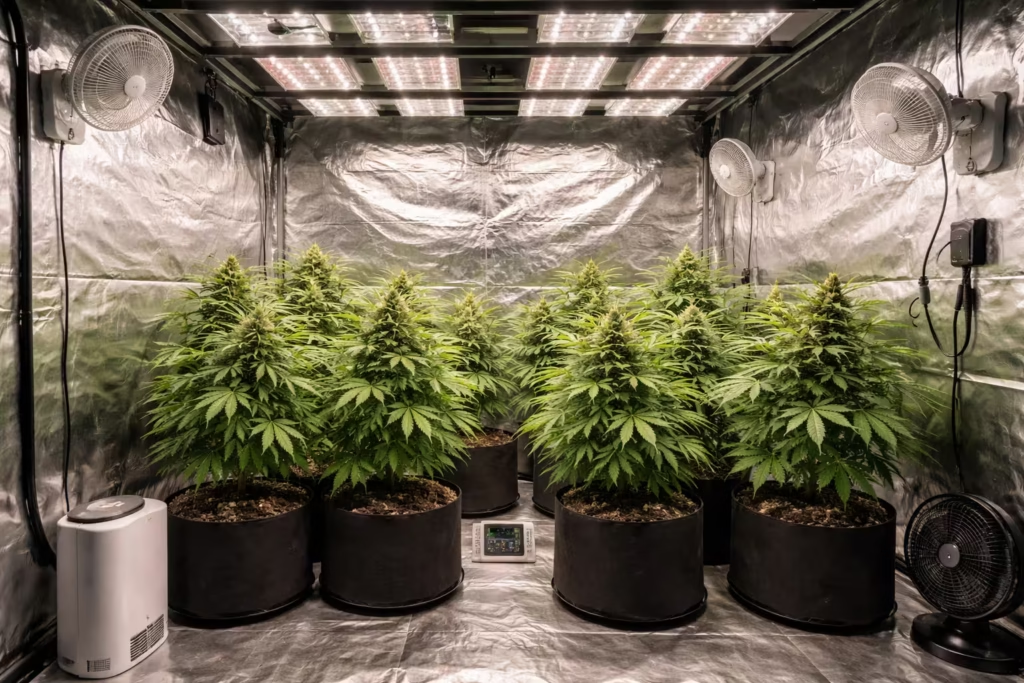
Both methods work well when matched to your environment.
Indoor Growing
Benefits:
- full environmental control
- year-round growing
- pest protection
Indoor growers often use:
LED grow light
Outdoor Growing
Benefits:
- sunlight is free
- larger root zones
- bigger plants possible
Outdoor success depends heavily on local climate.
Light Requirements for Healthy Weed Growth
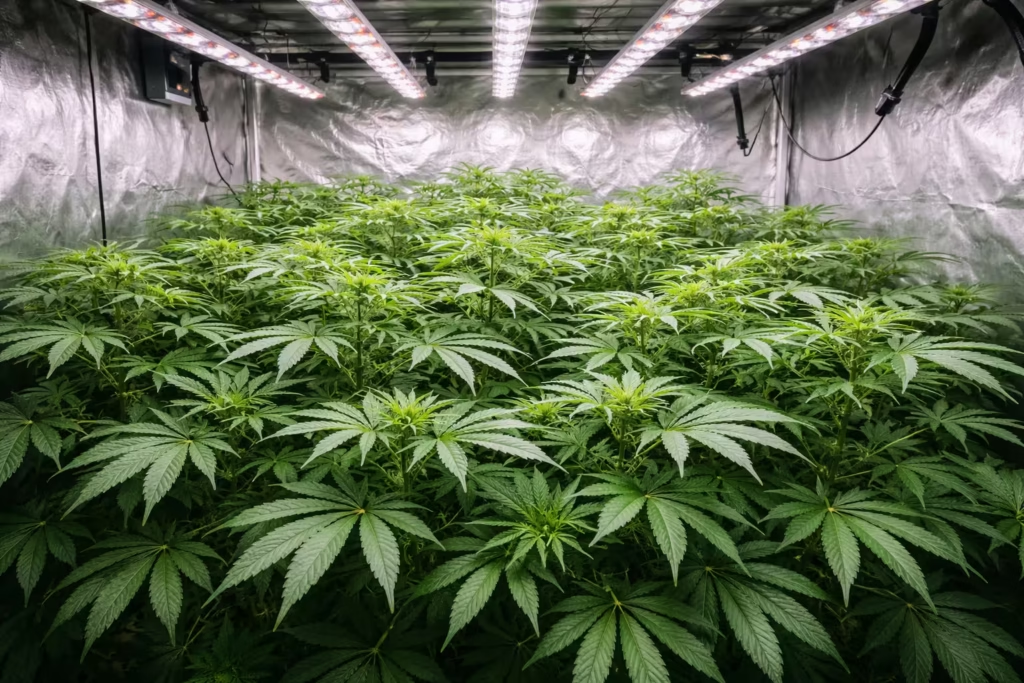
Light drives plant metabolism.
Weak light causes stretch.
Strong light builds dense growth.
Seedling Stage
18 hours light works well.
Vegetative Stage
18/6 remains standard.
Flowering Stage
12/12 triggers flowering in photoperiod plants.
Use:
- avoid light burn
- stable distance
Watering Weed Plants Correctly
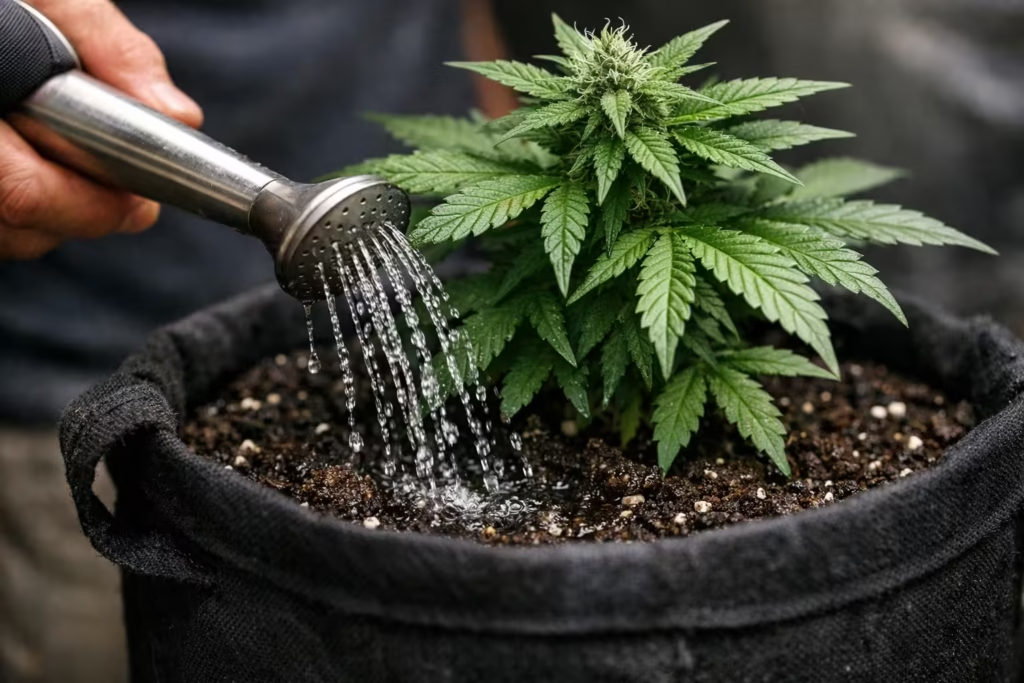
Overwatering kills more beginner plants than underwatering.
Roots need oxygen between waterings.
Best Rule
Water only when top soil feels dry.
Signs of Overwatering
- drooping leaves
- heavy wet soil
- slow growth
Signs of Underwatering
- limp leaves
- dry container
Nutrients Weed Plants Need
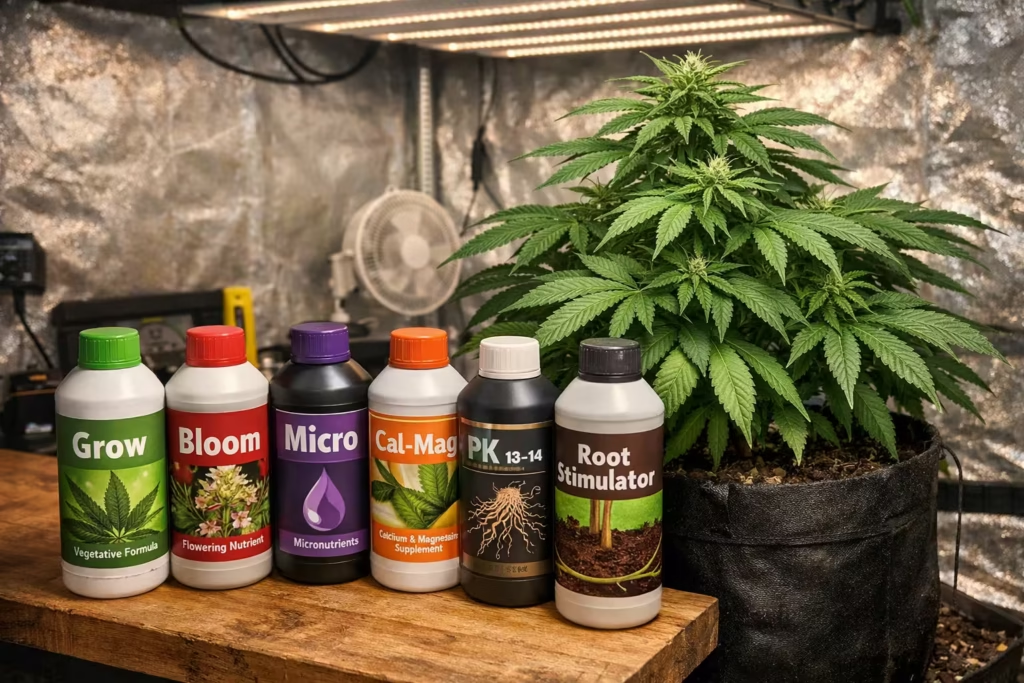
Cannabis changes nutrient demand by stage.
Vegetative Stage
Needs more nitrogen.
Flowering Stage
Needs more phosphorus and potassium.
Beginner Feeding Tip
Start light.
Too much fertilizer burns roots.
Common issue:
nutrient burn shows leaf tip browning.
Temperature and Humidity Control
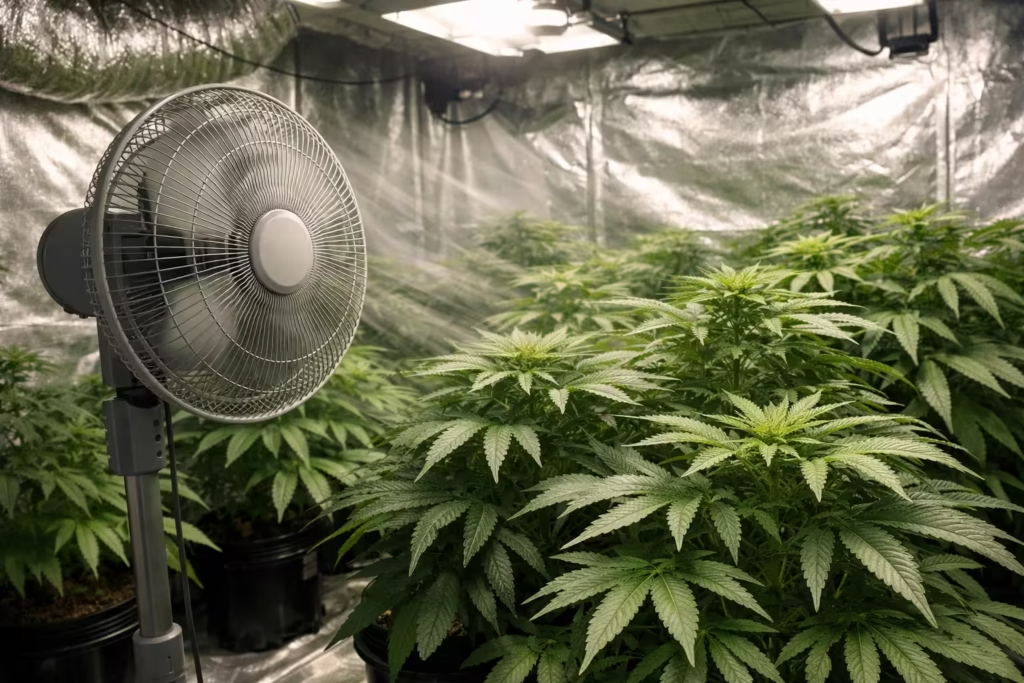
Environment controls plant comfort.
Ideal Temperature
- 70–85°F daytime
Humidity
Seedlings:
- 65–70%
Flowering:
- lower humidity reduces mold risk
Air circulation matters greatly.
Use:
Oscillating fan
Understanding Vegetative Growth
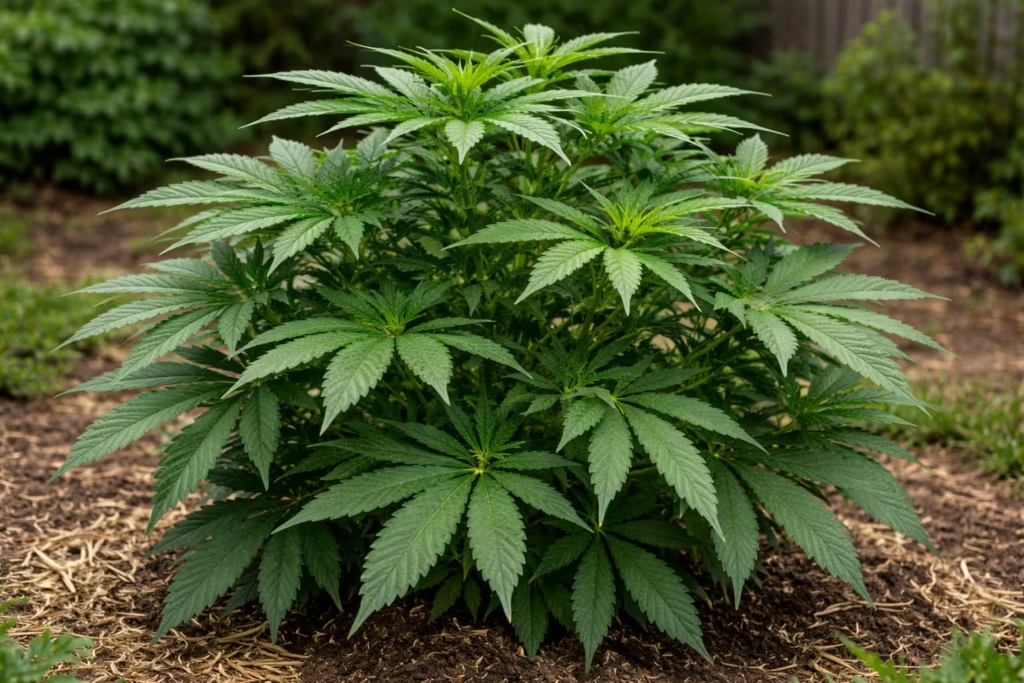
This stage builds plant structure.
The stronger the vegetative stage, the stronger flowering becomes.
What Happens Here
- roots expand
- branches form
- leaves widen
Duration
Most growers keep veg:
- 4 to 8 weeks
Longer veg usually means larger plants.
Flowering Stage Explained
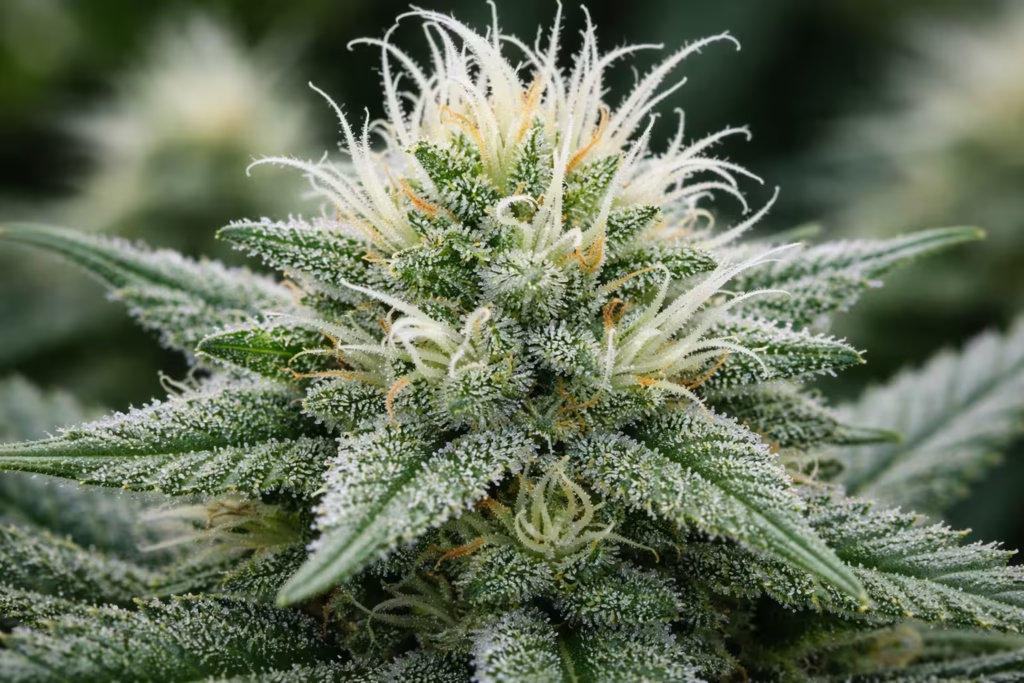
Flowering is where bud production begins.
Early Signs
- white pistils appear
- bud sites form
Mid Flower
Bud stacking begins.
Late Flower
Trichomes develop heavily.
Cannabis trichomes determine harvest timing.
How to Identify Male and Female Weed Plants
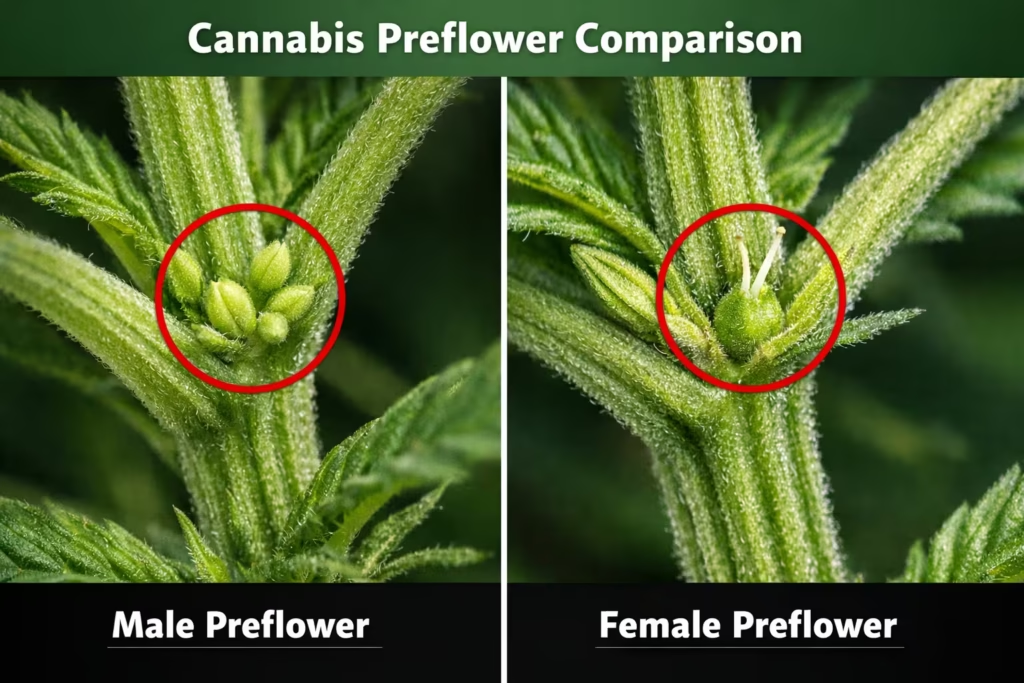
Male plants reduce harvest quality if left too long.
Female Signs
- pistils
- bud formation
Male Signs
- pollen sacs
Remove males quickly unless breeding intentionally.
Common Problems While Growing Weed
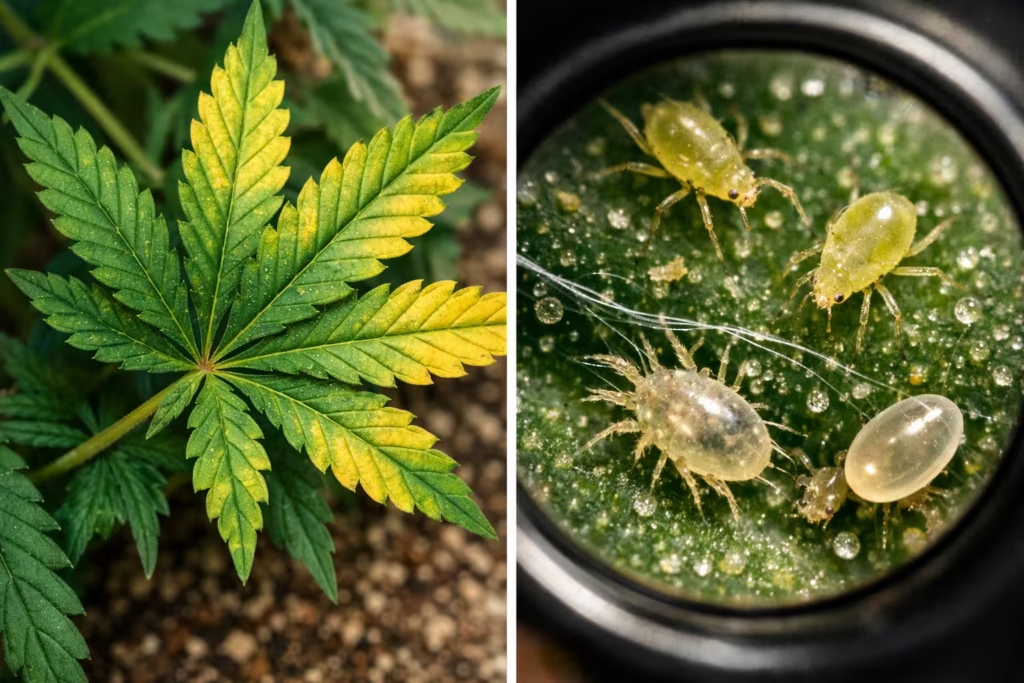
Even healthy grows face issues.
Yellow Leaves
Usually:
- nitrogen issue
- pH imbalance
- watering stress
Drooping Plants
Usually watering related.
Pest Problems
Watch for:
Spider mite
Early detection matters.
When to Harvest Weed
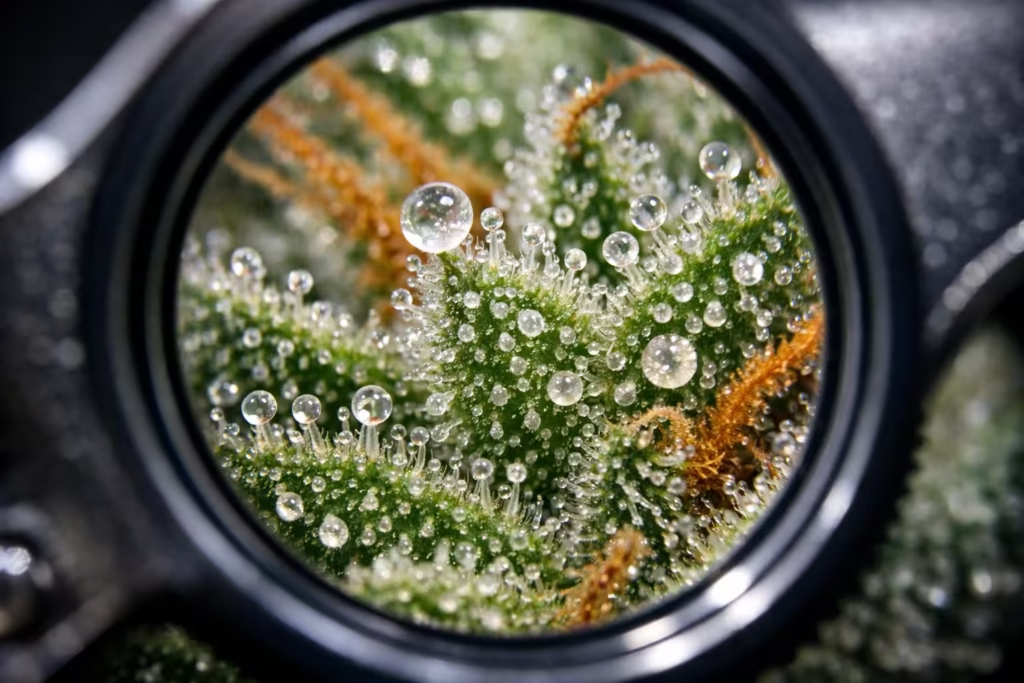
Harvest timing changes potency.
Best Method
Check trichomes.
Clear = too early
Milky = peak THC
Amber = more mature effect
Pistils Also Help
Darkened pistils suggest maturity.
Drying and Curing Weed Properly
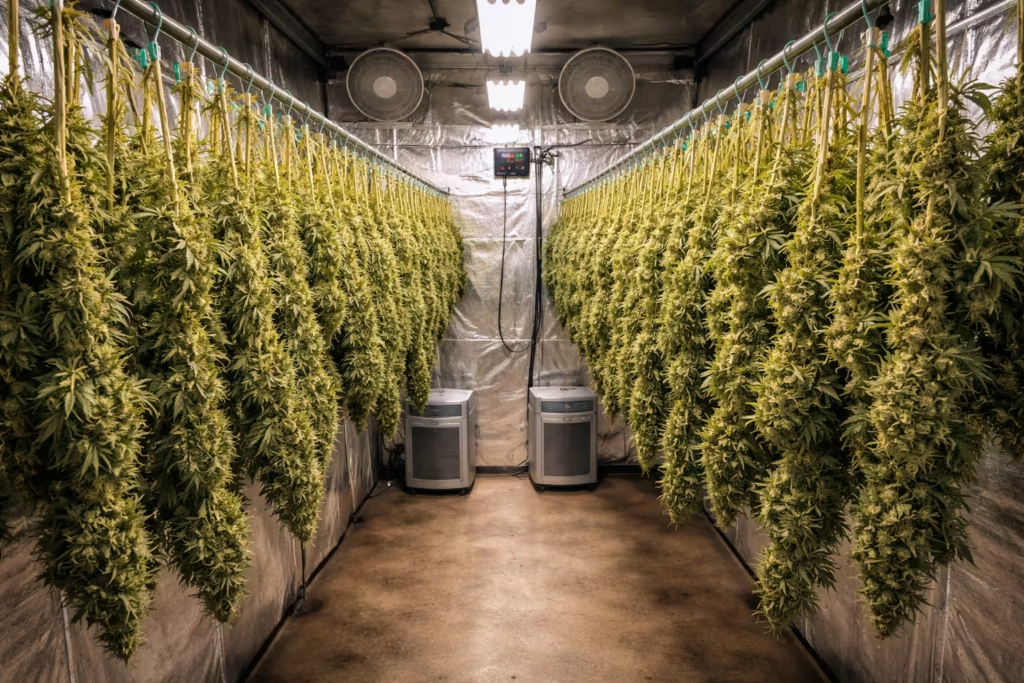
Harvest is not the finish line.
Drying protects flavor.
Drying
Hang branches in dark room:
- 60–70°F
- moderate humidity
Curing
Jar buds slowly.
Open daily first week.
This improves:
- terpene retention
- aroma
- smoothness
Beginner Mistakes to Avoid
Most beginner problems repeat:
- watering too often
- feeding too much
- harvesting too early
- changing too many variables
The strongest beginner habit is observation.
Healthy growers learn leaf language.
Leaves usually tell you what roots are experiencing.
Frequently Asked Questions
Most cannabis takes 3–5 months depending on genetics.
Yes, if basic environmental consistency is maintained.
In rich soil early growth can succeed, but flowering usually needs added nutrition.
Yield varies by genetics, light, root size, and grow skill.
