

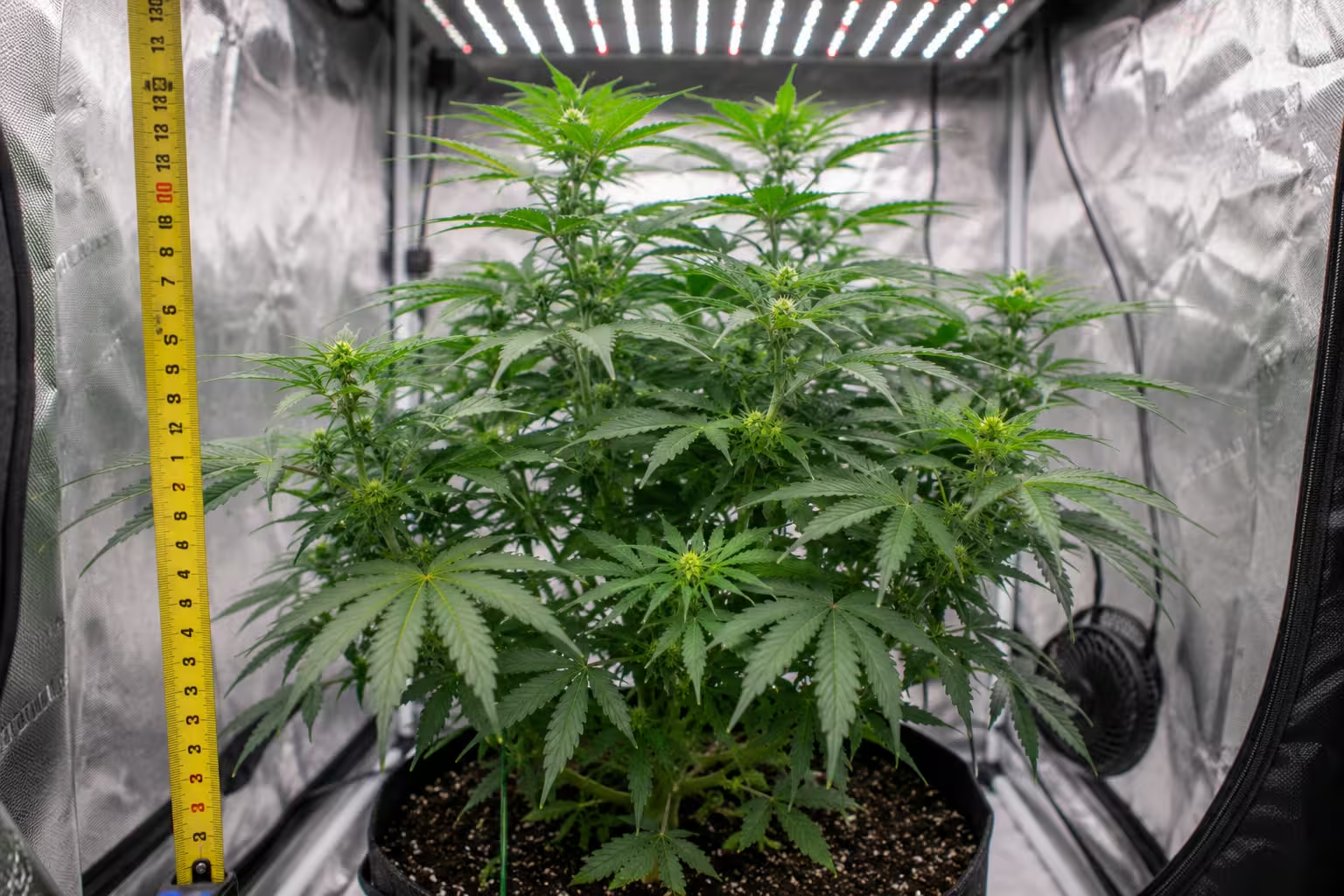
Knowing when to switch from the vegetative stage to the flowering stage is one of the most important decisions a cannabis grower makes. The timing of this transition affects almost everything that happens later — plant size, structure, bud development, harvest quality, and how well the plant fits inside your growing space.
During the vegetative stage, cannabis plants focus on building roots, stems, branches, and leaves. Once the plant enters flowering, its energy shifts toward producing flowers and developing resin.
The right time to switch depends on several factors including plant maturity, available grow space, genetics, growing method, and your final harvest goals.
Whether you are growing your first cannabis plant or improving your cultivation technique, understanding the transition between these two stages helps you make better decisions throughout the entire growing cycle.
What Does Switching From Vegetative to Flowering Stage Mean?
The transition from vegetative growth to flowering is the point where a cannabis plant changes from producing mainly leaves and branches to producing flowers.
Cannabis plants such as Cannabis sativa respond strongly to environmental signals, especially changes in light exposure.
This process is connected to Photoperiodism, where plants use changes in day length to determine when to begin reproductive growth.
During the vegetative stage:
- Roots expand
- Branches grow stronger
- Leaves increase in size
- The plant prepares its structure for future flowers
During flowering:
- Flower sites develop
- Bud formation begins
- Resin and trichome production increases
- Plant growth pattern changes
For indoor growers, this transition is usually controlled by changing the lighting schedule.
When Should You Switch Cannabis From Veg to Flower?
There is no single perfect time that works for every grower. The ideal moment depends on your plant size, genetics, environment, and growing goals.
A good rule is to switch when your plant has developed enough structure to support the amount of flowers you want while still leaving enough room for flowering stretch.
1. Switch When Your Plant Has Reached the Desired Size
Plant height is one of the biggest factors when deciding when to start flowering.
Many cannabis plants experience a period of rapid growth after switching into flower, commonly called the flowering stretch.
Some plants may increase significantly in height during the first weeks of flowering.
Before switching, consider:
- Available vertical space
- Grow tent height
- Light distance requirements
- Final plant size expectations
A small plant switched too early may produce fewer branches and fewer potential flower sites.
A plant kept in vegetative growth too long may become difficult to manage because it can quickly outgrow the growing area.
2. Switch When the Plant Shows Maturity
A cannabis plant should usually show signs of maturity before entering flowering.
Common maturity indicators include:
- Alternating branches instead of opposite growth
- Strong root development
- More established branch structure
- Pre-flowers appearing at nodes
Pre-flowers are early signs that the plant has reached reproductive maturity.
They indicate the plant is biologically ready to transition into flowering.
3. Consider Your Growing Method
The ideal flowering timing changes depending on the cultivation style.
Indoor Cannabis Growing
Indoor growers have complete control over the plant cycle.
A common schedule is:
Vegetative stage:
- 18 hours light / 6 hours darkness
Flowering stage:
- 12 hours light / 12 hours darkness
Many indoor growers switch once plants have reached the desired size because they know flowering stretch will increase plant height.
Outdoor Cannabis Growing
Outdoor growers usually do not manually control flowering with a timer.
Instead, plants respond naturally to seasonal changes and decreasing daylight hours.
Outdoor flowering depends on:
- Geographic location
- Time of year
- Genetics
- Weather conditions
How Long Should Cannabis Stay in the Vegetative Stage?
The vegetative period can last anywhere from a few weeks to several months depending on the grower’s goals.
Short Vegetative Period
Some growers prefer a shorter veg time because:
- Plants stay smaller
- Harvest happens sooner
- Less space is required
This approach is common in compact indoor gardens.
Longer Vegetative Period
A longer vegetative stage allows:
- Bigger root systems
- More branches
- Larger plants
- Higher potential harvests
However, larger plants require:
- More nutrients
- More training
- More space management
Signs Your Cannabis Plant Is Ready to Flower
Before switching, look for these signs:
Healthy Branch Structure
A strong plant should have:
- Multiple branches
- Strong stems
- Good leaf growth
A weak plant may struggle to support heavy flowers later.
Healthy Green Leaves
Healthy foliage provides the energy needed for flowering.
Signs of a ready plant include:
- Strong green leaves
- No major nutrient problems
- Active new growth
Good Plant Shape
A well-shaped plant usually produces better light distribution.
Many growers use training methods before flowering, including:
- Topping
- Low-stress training
- Canopy management
The goal is creating an even structure before flower development begins.
What Happens After Switching to Flower?
The flowering transition is not an instant change. The plant gradually changes its growth pattern.
The Flowering Stretch
During the first part of flowering, cannabis plants often grow rapidly.
This stage is important because:
- Branches extend
- Internodes stretch
- Flower sites expand
The amount of stretch depends on:
- Genetics
- Plant health
- Environment
Some varieties stretch heavily, while others remain more compact.
Early Flower Development
After the stretch period, the plant focuses more energy on flower formation.
You may notice:
- More visible flower sites
- Increased aroma
- Resin production beginning
The plant starts prioritizing reproductive growth instead of leaf production.
Can You Switch to Flower Too Early?
Yes, switching too early can limit your final results.
Possible issues include:
- Smaller plant structure
- Fewer branches
- Reduced flower sites
- Lower harvest potential
A plant needs enough vegetative growth to create a strong foundation.
Can You Keep Cannabis in Vegetative Stage Too Long?
Yes, but longer is not always better.
Problems with excessive vegetative time can include:
- Plants becoming too large
- Harder maintenance
- More difficult light management
- Increased space requirements
The best timing depends on your goals.
Does Cannabis Strain Affect When You Should Switch?
Genetics play a major role.
Different varieties have different growth patterns.
Indica-Dominant Varieties
Often:
- Stay shorter
- Have tighter spacing
- Require less vertical room
Sativa-Dominant Varieties
Often:
- Grow taller
- Stretch more during flowering
- Need more height management
Hybrid Varieties
Hybrids can combine traits from both types.
Always consider the specific genetics before deciding when to switch.
Vegetative Stage vs Flowering Stage: Key Differences
| Vegetative Stage | Flowering Stage |
|---|---|
| Leaf and branch growth | Flower production |
| More focus on roots | More focus on buds |
| Longer light schedule | Reduced light schedule for photoperiod plants |
| Training and shaping stage | Flower development stage |
Common Mistakes When Switching to Flower
Switching Based Only on Time
A calendar does not always tell you when the plant is ready.
Look at:
- Plant size
- Health
- Structure
- Space
Ignoring Flowering Stretch
Many beginners underestimate how much plants can grow after switching.
Always plan for additional height.
Switching a Weak Plant
A stressed or unhealthy plant may perform poorly after entering flowering.
Healthy plants generally handle the transition better.
Frequently Asked Questions
Many growers switch after several weeks of vegetative growth, but the best timing depends on plant size, genetics, and growing goals.
There is no universal height. The ideal height depends on expected flowering stretch and available growing space.
Yes. Many cannabis plants continue growing vertically during early flowering.
Many indoor photoperiod growers use a 12/12 light and dark cycle to trigger flowering.
Beginners often benefit from allowing plants enough time to develop a strong structure before flowering.
Final Thoughts
Switching from vegetative to flowering is one of the biggest milestones in cannabis cultivation. The best timing comes from understanding your plant rather than following a fixed calendar.
A healthy plant with strong branches, enough size, and good structure will usually perform better during flowering than a plant rushed into the next stage.
By considering genetics, environment, available space, and your harvest goals, you can choose the flowering transition timing that works best for your grow.
