Overwatered Weed Plants: How to Identify, Fix, and Prevent Cannabis Overwatering

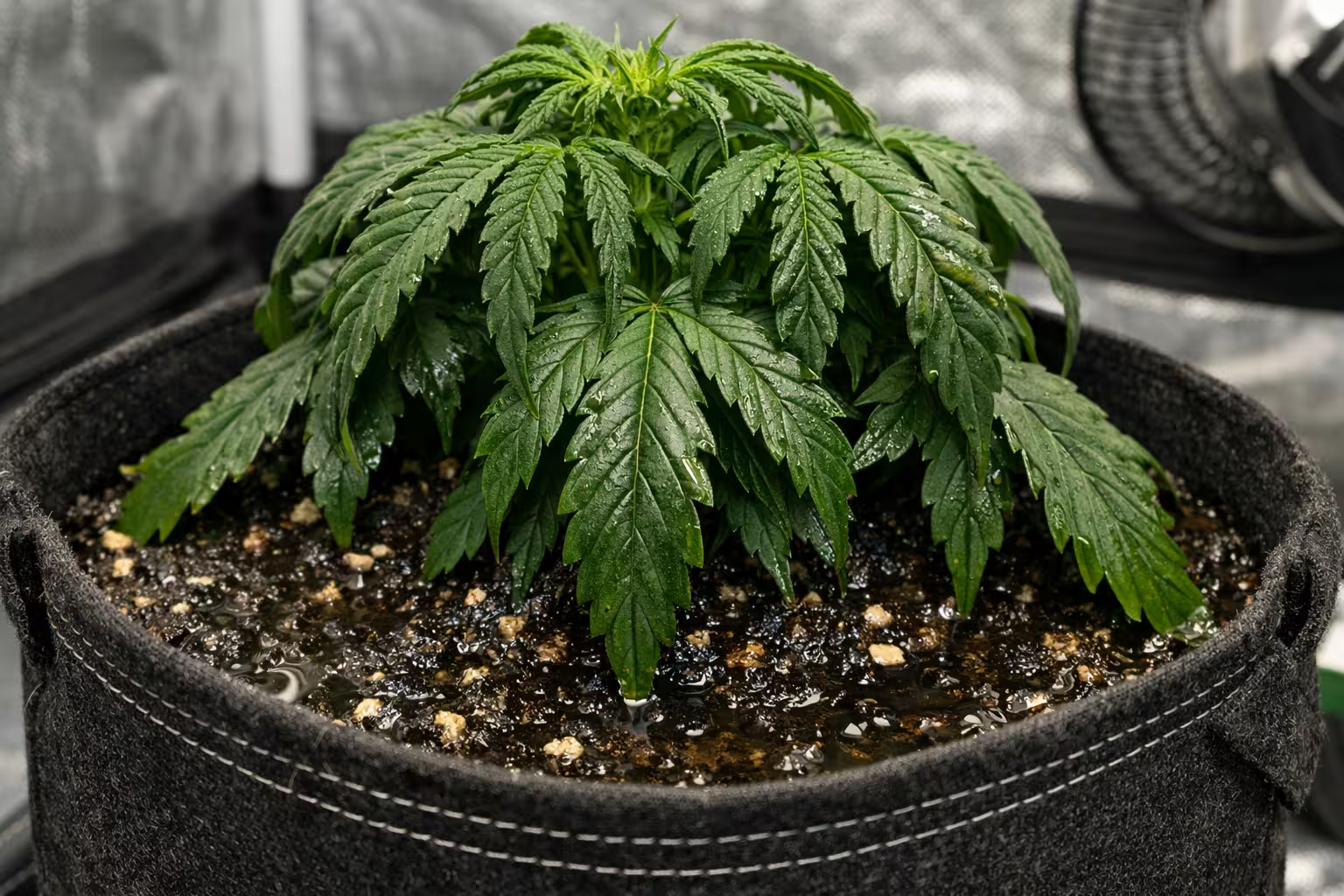
Overwatering is one of the most common mistakes cannabis growers make, especially during the seedling and early vegetative stage. Many beginners assume a thirsty-looking plant needs more water, but in many cases the opposite is true: the roots are already sitting in excess moisture and struggling to breathe.
A cannabis plant needs both water and oxygen around the root zone. When soil stays wet for too long, air pockets disappear, roots slow down, and nutrient uptake becomes weaker. That is why overwatered weed plants often look droopy even though the soil is wet.
The good news is that overwatering can usually be corrected early if you recognize the symptoms before root stress becomes severe.
What Happens When a Cannabis Plant Is Overwatered
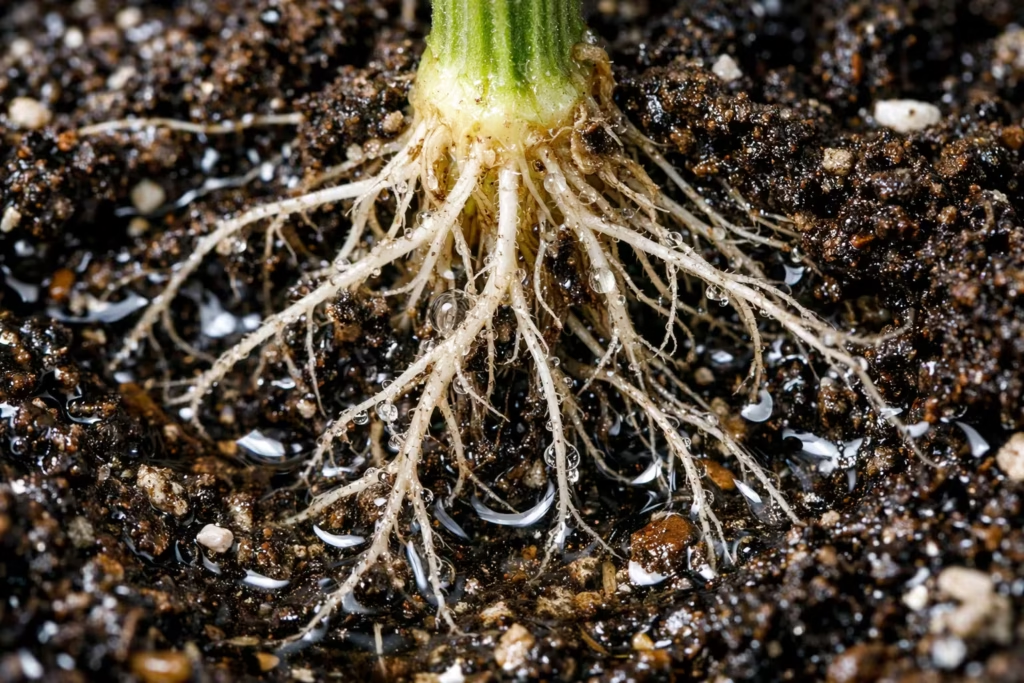
Cannabis roots need oxygen just as much as they need moisture.
When the growing medium stays saturated for too long:
- oxygen levels drop
- root respiration slows
- nutrient absorption weakens
- microbial imbalance develops
- root rot risk increases
This creates stress above the soil line, even though the real problem starts below the surface.
A plant with too much water often cannot move nutrients efficiently, which is why leaves may droop, pale, or curl.
Semantic keywords naturally connected here include:
- root zone oxygen
- saturated soil
- wet growing medium
- cannabis root stress
- oxygen deprivation
Signs of an Overwatered Weed Plant
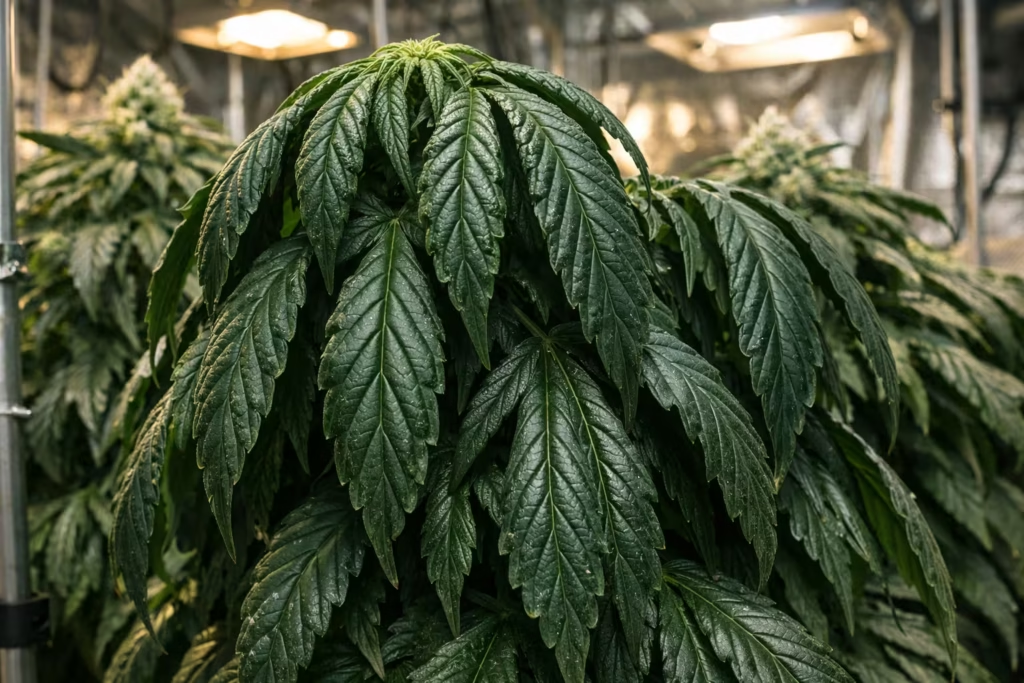
Recognizing overwatering early helps prevent bigger root problems later.
Drooping Leaves With Heavy Appearance
The most common symptom is drooping leaves that feel thick or swollen rather than dry.
Overwatered leaves often:
- hang downward
- look heavy
- curl slightly inward
- feel soft
This differs from underwatering, where leaves usually look limp and dry.
Leaves Curling Down Like a Claw
Sometimes the leaf tips bend downward, creating a claw-like appearance.
This happens because water pressure inside the leaf becomes unbalanced.
Slow Growth
A plant may stop vigorous upward growth even though light and temperature look correct.
Roots under stress cannot feed the plant efficiently.
Lower Leaves Turning Pale or Yellow
If wet conditions continue, lower leaves may begin fading first because nutrient movement becomes inconsistent.
How to Tell Overwatering vs Underwatering
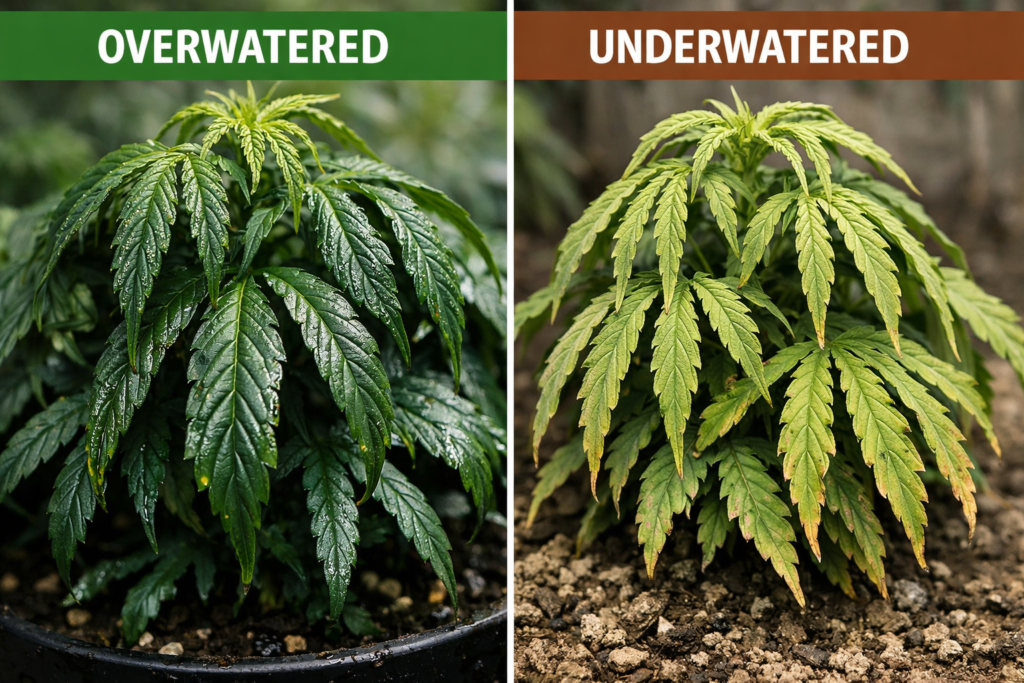
Many growers confuse these two because both can cause drooping.
Overwatered Cannabis Leaves
- heavy
- swollen
- thick texture
- soil wet
Underwatered Cannabis Leaves
- thin
- dry
- limp
- soil dry
The fastest check is touching the soil.
If the medium is still wet several inches down, more water is usually not needed.
Why Weed Plants Get Overwatered
Overwatering is not only about volume. Frequency matters more.
Watering Too Often
A small amount daily can still cause overwatering if roots never dry slightly between waterings.
Poor Drainage
Containers without enough drainage holes trap water.
Dense Soil
Heavy compact soil holds water too long.
Cannabis roots prefer airy medium with oxygen movement.
Pot Too Large for Plant Size
A small seedling inside a large container often leaves too much wet soil around the roots.
The plant cannot use moisture fast enough.
Overwatered Cannabis Seedlings
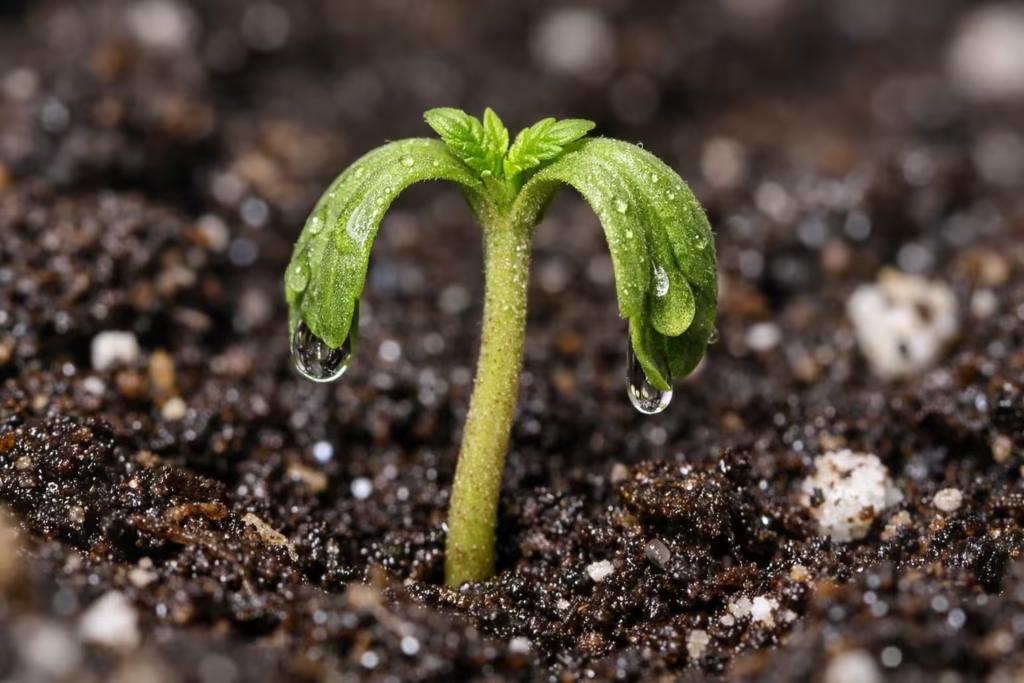
Seedlings are the most sensitive stage.
Small roots use very little water, so beginners often kill seedlings by watering like mature plants.
Seedling Overwatering Symptoms
- stem slows growth
- tiny leaves droop
- soil remains wet for days
- stem base weakens
Seedlings need light moisture, not soaked containers.
A spray bottle or small circle watering method works better than full pot saturation.
How to Fix an Overwatered Weed Plant
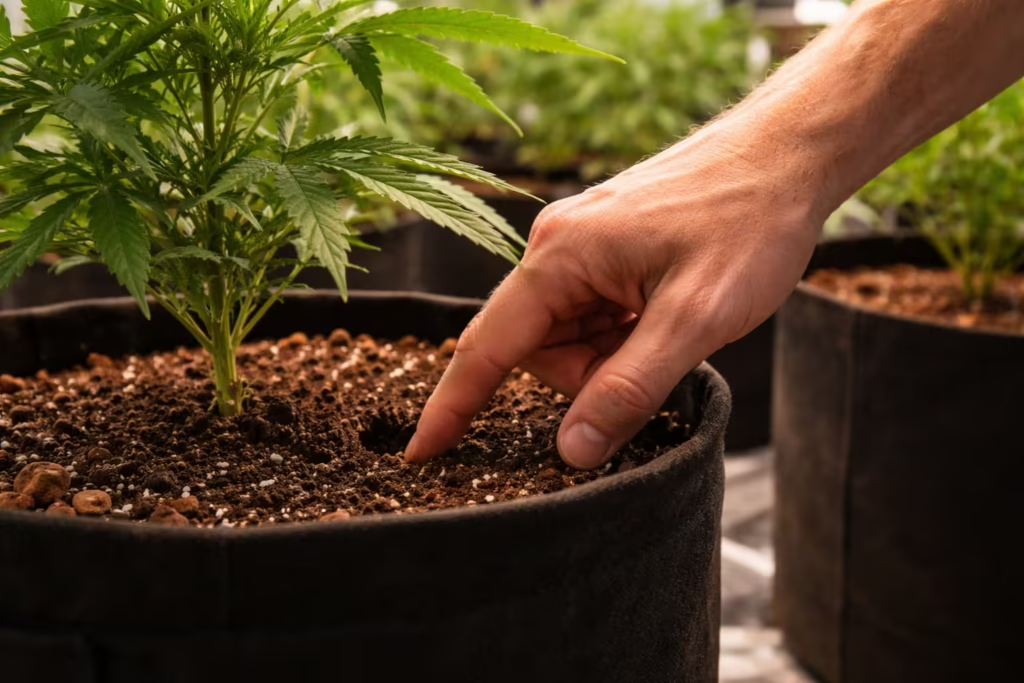
The first goal is restoring oxygen around roots.
Stop Watering Temporarily
Allow the medium to dry naturally before adding more water.
Do not panic-water because leaves droop.
Improve Airflow
Good airflow helps evaporation from the medium surface.
A fan can help stabilize drying speed indoors.
Loosen Surface Soil Gently
Breaking the top crust slightly improves oxygen exchange.
Do not disturb roots deeply.
Increase Drainage If Needed
If soil remains wet too long:
- add more perlite next transplant
- improve pot drainage
- switch to fabric pots
Fabric pots dry more evenly and reduce overwatering risk.
How Long Recovery Takes
A mildly overwatered cannabis plant often improves within 24 to 72 hours once watering stops.
More severe root stress may need several days.
Signs of recovery:
- leaves lift upward again
- new growth looks normal
- stem strengthens
- soil dries evenly
If yellowing spreads after drying, roots may already be stressed deeper.
Can Overwatering Cause Nutrient Problems
Yes. Overwatering often creates secondary nutrient issues because roots cannot absorb minerals properly.
This may resemble:
- nitrogen deficiency
- magnesium deficiency
- calcium uptake problems
Sometimes growers add nutrients when the real issue is simply wet roots.
That often makes the problem worse.
Best Watering Method to Prevent Overwatering
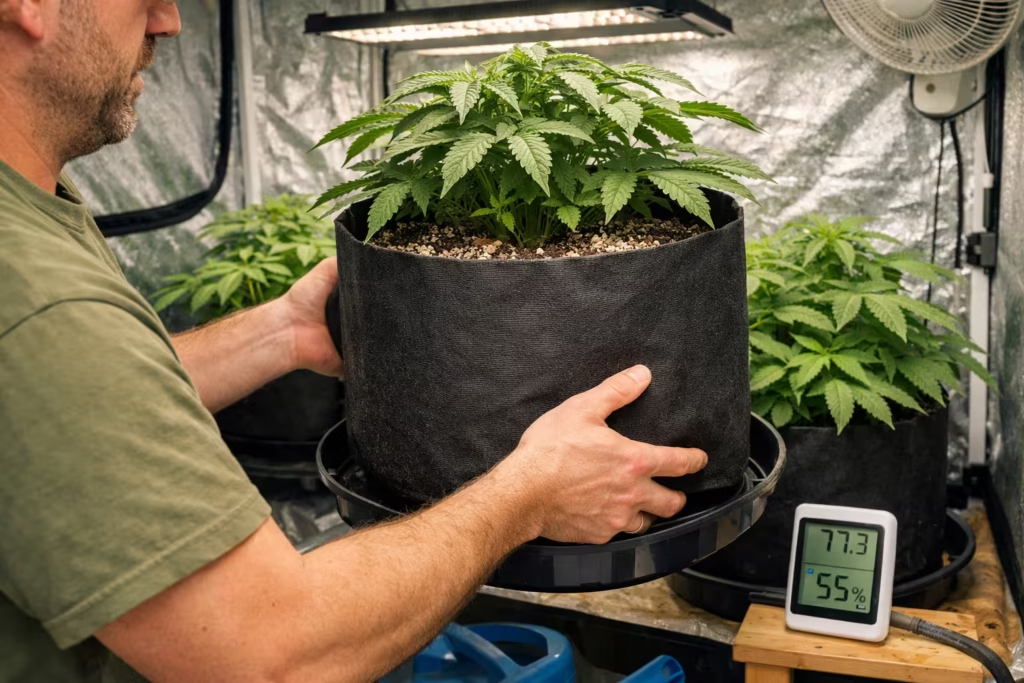
Healthy watering means full watering followed by partial drying.
Water Thoroughly, Then Wait
Water until slight runoff appears.
Then wait until top few inches dry before watering again.
Lift the Pot Method
A light pot usually means watering time.
A heavy pot means moisture remains below.
Experienced growers often judge watering by container weight more than by schedule.
Avoid Fixed Daily Watering
Cannabis water demand changes with:
- plant size
- light intensity
- humidity
- pot size
- temperature
A rigid schedule often causes mistakes.
Best Soil for Preventing Overwatering
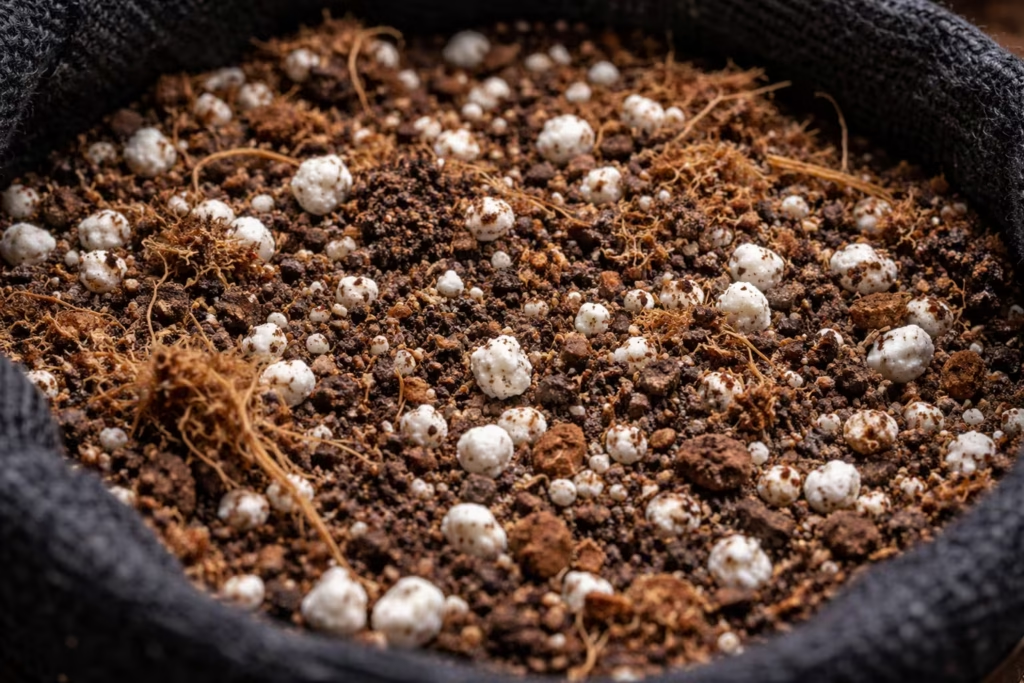
A cannabis-friendly medium should stay moist but airy.
Good soil usually includes:
- perlite
- coco fiber
- compost
- aeration material
Heavy garden soil often holds too much water indoors.
Are Fabric Pots Better for Cannabis?
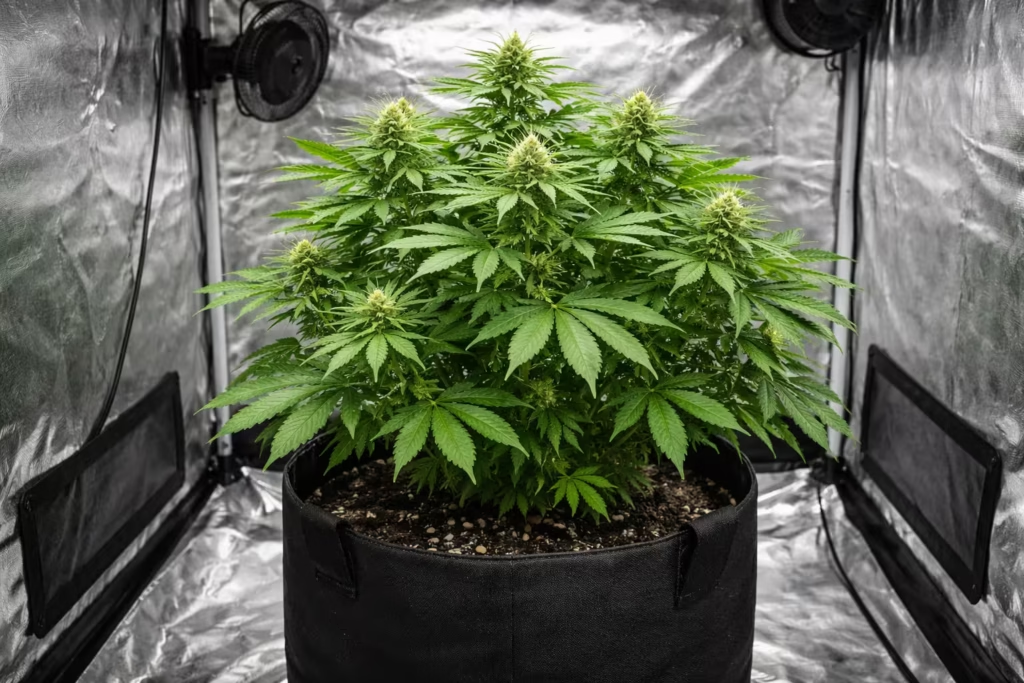
Fabric pots help prevent overwatering because they allow side evaporation and oxygen exchange.
Benefits include:
- better root aeration
- less stagnant moisture
- reduced root circling
- faster recovery after watering mistakes
Many indoor growers switch to fabric pots for this reason.
Common Mistakes After Overwatering
Watering Again Too Soon
Leaves may stay droopy for a day even after roots improve.
Adding more water too early delays recovery.
Feeding Nutrients Immediately
Wait until roots recover before adding fertilizer.
Transplanting Too Fast
Only transplant if drainage problem is severe.
A stressed plant needs stability first.
Best Beginner Rule
Before watering, always check below the surface.
If the top looks dry but lower soil stays wet, wait longer.
Healthy cannabis roots prefer a wet-dry rhythm, not constant saturation.
Frequently Asked Questions
Yes, most recover if root damage has not progressed too far.
Usually 1 to 3 days depending on pot size and environment.
Fresh watering can temporarily increase leaf heaviness, but prolonged drooping usually means excess moisture.
No. Overwatering often causes yellowing because roots stop absorbing nutrients correctly.