

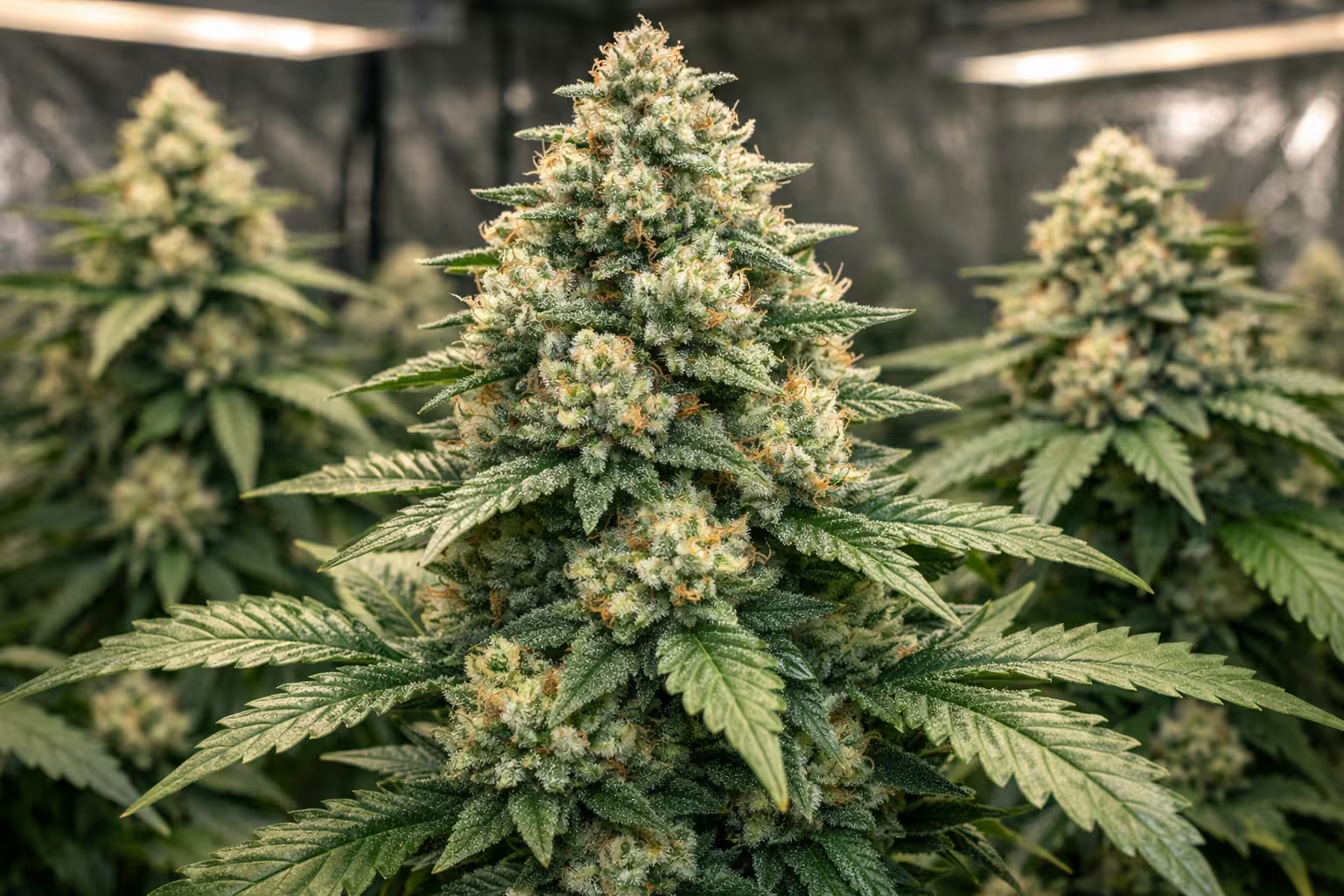
Every grower wants big pot buds—dense flowers that feel heavy in the hand, stack properly on the branches, and finish with strong resin production. But large cannabis buds do not happen by accident. Bud size is the result of many small decisions made from seedling stage through harvest.
A plant may have excellent genetics, but if root space is limited, lighting is weak, or flowering conditions are unstable, bud development slows down and flowers stay small or airy. On the other hand, even average genetics can produce impressive colas when the grow environment supports strong plant energy from start to finish.
Big cannabis buds usually come from healthy roots, intense light exposure, balanced nutrients, proper branch training, and stable flowering conditions. The goal is not simply to make buds longer—it is to help the plant build dense flower mass across the canopy.
For growers working indoors or outdoors, understanding how the plant distributes energy is the key to increasing final bud size.
What Determines Cannabis Bud Size
Cannabis bud size starts with plant biology. Every strain has its own flower structure, but environmental conditions determine how fully that potential develops.
Genetics Sets the Ceiling
Some cultivars naturally build thick colas while others produce long narrow flowers. Indica-dominant varieties often create tighter bud stacking, while many sativa varieties stretch longer and form lighter flower clusters.
Heavy-yielding genetics usually show:
- short internodal spacing
- strong side branching
- stable flower formation
- thick calyx stacking
If genetics naturally produce smaller flowers, grow conditions can still improve density, but they cannot completely change the plant’s inherited structure.
Energy Distribution Inside the Plant
The plant sends most energy toward dominant tops. If too many weak branches remain, energy spreads across many sites instead of building larger buds at fewer strong sites.
That is why experienced growers often remove lower growth before flowering.
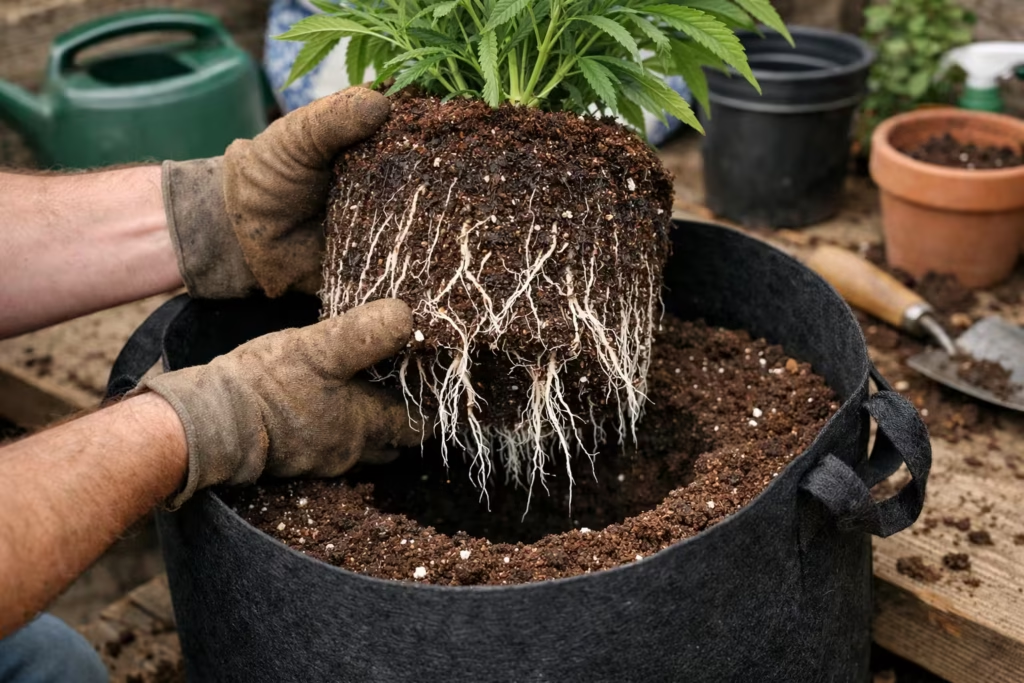
Root Health Controls Flower Strength
Healthy roots feed every bud site. When roots are restricted, oxygen-starved, or nutrient locked, bud swelling slows down quickly.
A powerful root zone means:
- stronger nutrient uptake
- better water balance
- improved flower expansion
Best Pot Size for Growing Big Pot Buds
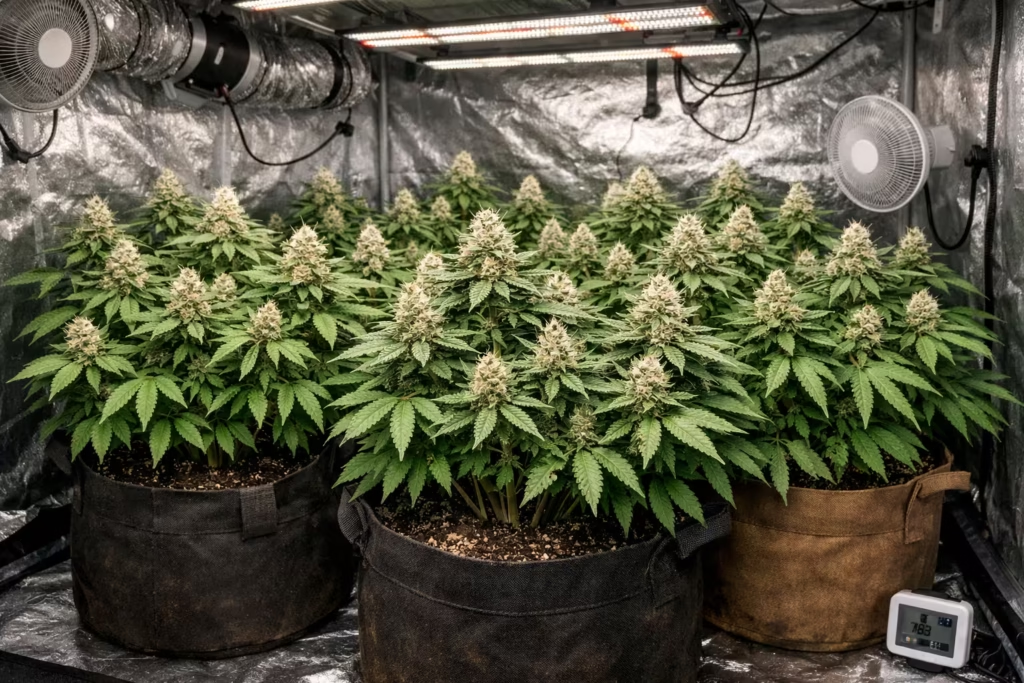
Container size directly affects how much root mass the plant can build before flowering.
Small Pots Limit Bud Potential
A plant grown too long in a small container often becomes root-bound. When roots circle tightly, nutrient uptake weakens and upper flower production slows.
Common signs include:
- slower growth
- smaller leaves
- early water stress
- reduced flower swelling
Recommended Pot Sizes
Indoor growers commonly use:
- 3 gallon pots for smaller plants
- 5 gallon pots for medium plants
- 7 gallon pots for larger flowering plants
Outdoor growers often use:
- 10 gallon or larger containers
- raised beds
- direct ground planting
Fabric Pots Often Perform Better
Fabric pots improve oxygen exchange and reduce root circling. Air-pruning encourages branching inside the root zone, which often supports better flower development later.
Light Is the Biggest Driver of Large Bud Development
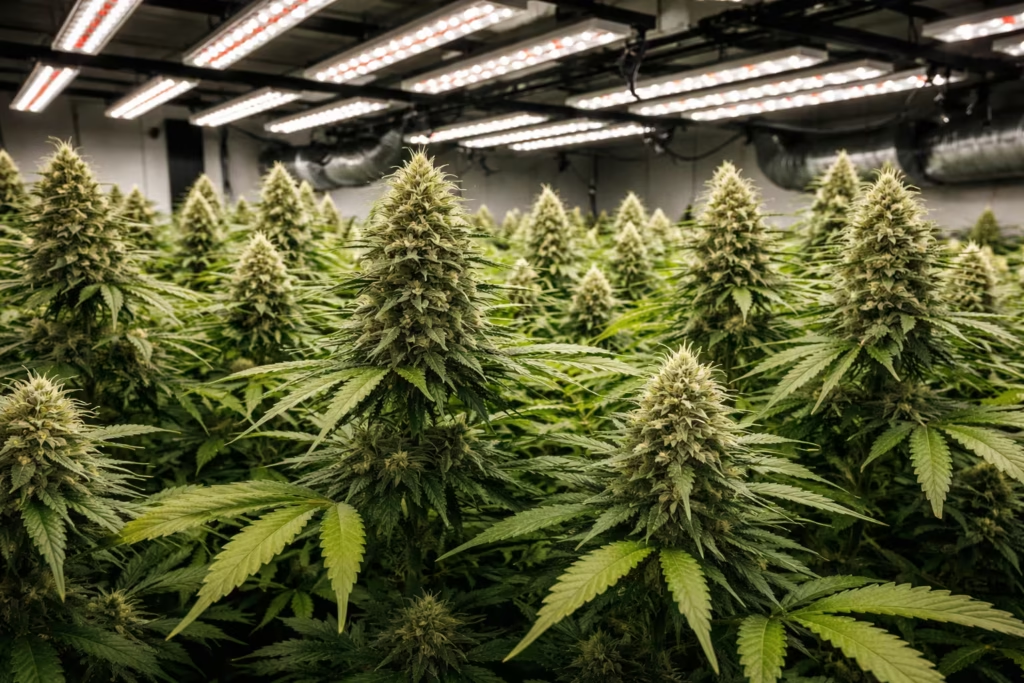
Light intensity controls how much energy the plant can convert into flower mass.
Strong Flowering Light Builds Dense Buds
Without strong light, buds stretch but remain airy.
Indoor flowering requires enough intensity for:
- deep canopy penetration
- top cola development
- lower bud support
High-output LED systems usually perform very well because they deliver strong intensity with stable spectrum.
Weak Light Causes Airy Flowers
Plants under weak light often show:
- long internodes
- loose flowers
- poor lower bud formation
Outdoor Plants Need Full Sun
Outdoor cannabis producing large buds usually receives direct sunlight most of the day.
The strongest outdoor bud production usually happens where plants receive:
- open airflow
- morning sun
- midday full intensity
Nutrients That Help Build Big Pot Buds
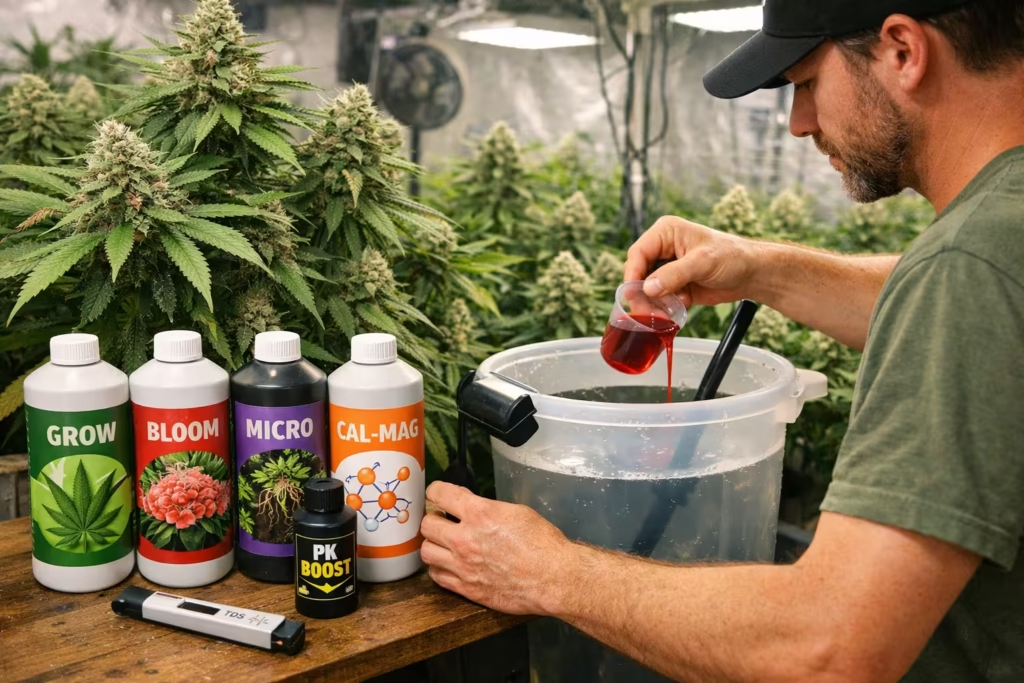
Bud development changes across growth stages.
Vegetative Stage Needs Nitrogen
Strong leaf growth before flowering creates the energy factory for later bud production.
Healthy vegetation supports:
- branch strength
- photosynthesis
- future flower sites
Flowering Needs More Phosphorus and Potassium
During flowering, plants shift toward reproductive growth.
Phosphorus helps:
- flower formation
- root energy transfer
Potassium helps:
- water regulation
- bud swelling
- plant strength
Calcium and Magnesium Matter More Than Many Growers Realize
Large buds need strong cell walls. Calcium supports flower tissue while magnesium supports chlorophyll function.
Deficiencies often reduce final density.
Overfeeding Can Hurt Bud Size
Too much fertilizer creates salt buildup, root stress, and nutrient lockout.
That often causes:
- harsh final flowers
- burnt tips
- stalled swelling
Training Methods That Produce Bigger Buds
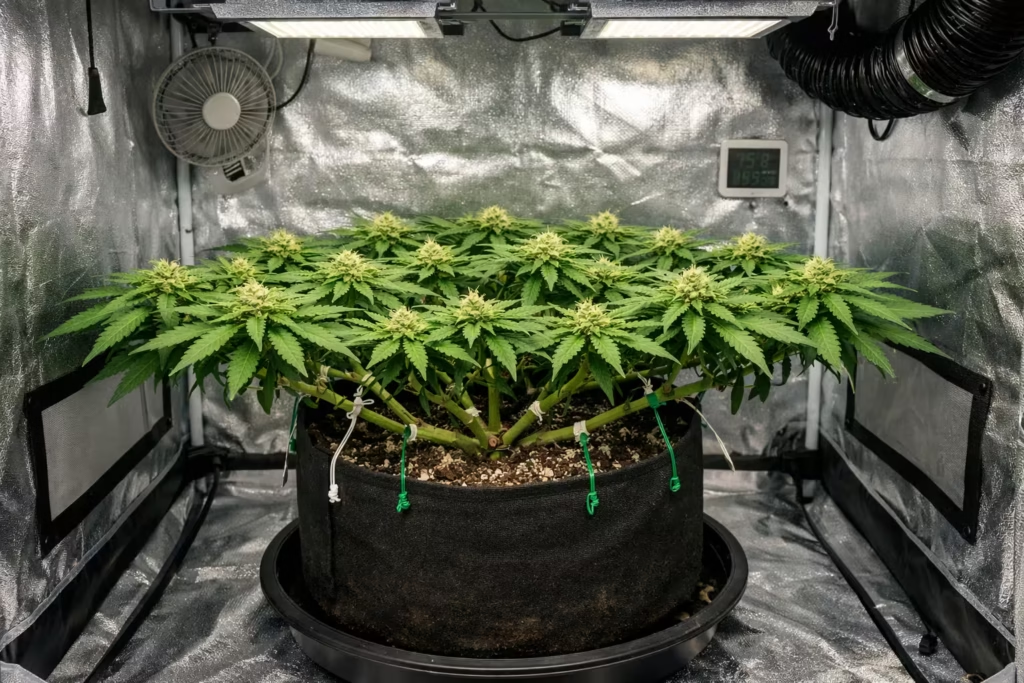
Training helps redirect plant energy into productive flower zones.
Topping Creates Multiple Strong Tops
Instead of one dominant cola, topping creates several strong upper branches.
This often increases:
- canopy balance
- light exposure
- total bud mass
Low Stress Training Improves Light Access
Bending branches horizontally opens more flower sites.
Lollipopping Redirects Energy
Removing lower weak branches prevents wasted energy.
The plant then focuses on:
- upper canopy buds
- thicker main flowers
Defoliation Improves Airflow and Penetration
Selective leaf removal helps light reach interior flower sites.
Too much removal can stress plants, so timing matters.
Why Climate Matters for Dense Buds
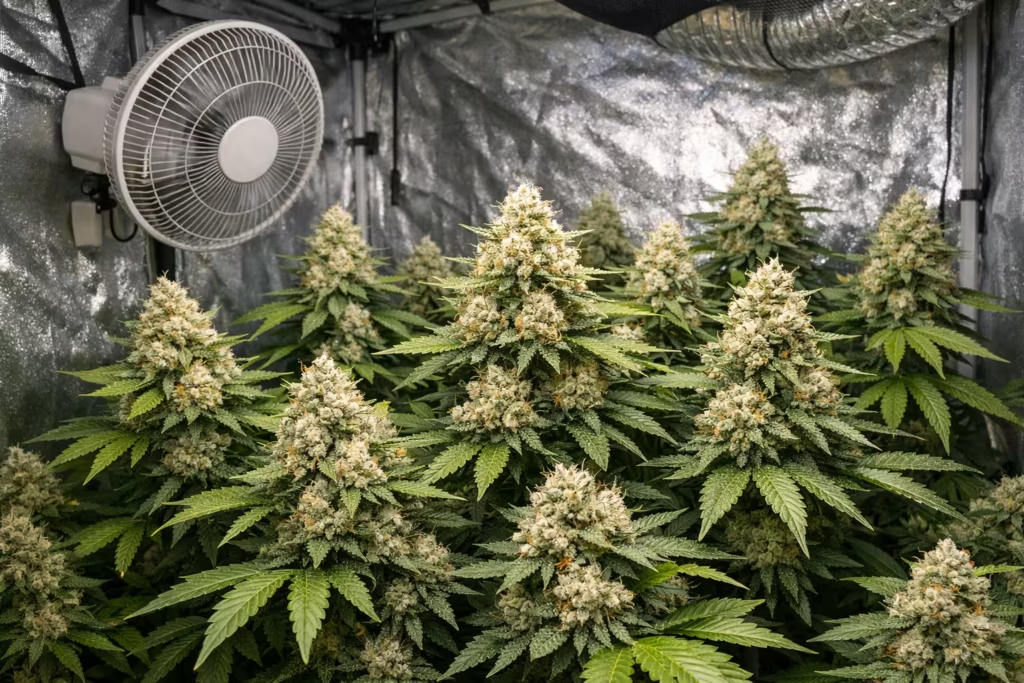
Bud size depends heavily on stable environmental conditions.
Ideal Flowering Temperature
Large flowers usually develop best when temperatures stay stable.
High heat can cause:
- loose buds
- terpene loss
- foxtailing
Humidity Must Drop During Flowering
High humidity in flower often slows density.
Controlled humidity helps:
- tighter bud structure
- mold prevention
Airflow Strengthens Flower Development
Constant moving air strengthens stems and reduces stagnant moisture.
Why Some Buds Stay Small and Airy
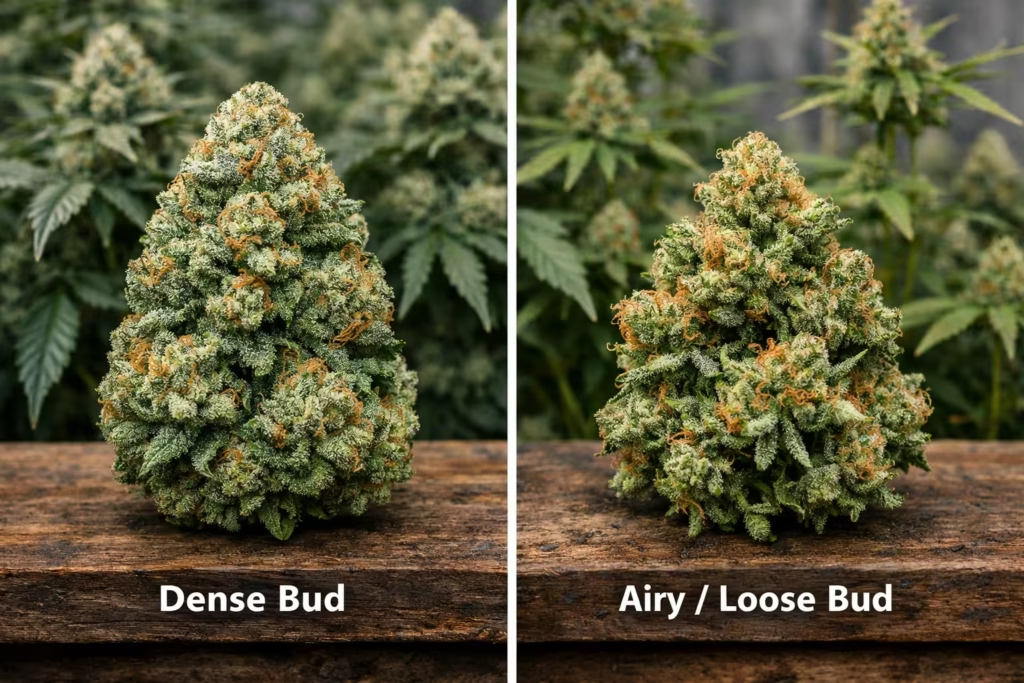
Many growers experience healthy-looking plants but disappointing flowers.
Common reasons include:
- Weak Lighting
- Too Many Small Branches
- Early Flower Stress
- Root Restriction
- Incorrect pH
- Harvesting Too Early
Many buds gain final weight during the last weeks of flowering. Cutting too soon reduces final density.
Best Strains Known for Producing Big Pot Buds
Some genetics naturally produce larger flowers.
Common heavy-yielding categories include:
- indica-heavy hybrids
- stabilized commercial producers
- strong cola-building cultivars
Many growers choose genetics known for:
- reliable swelling late flower
- thick central colas
- short internodes
Indoor vs Outdoor Big Pot Buds
Indoor Advantages
Indoor growers control:
- light cycle
- nutrients
- airflow
- humidity
Outdoor Advantages
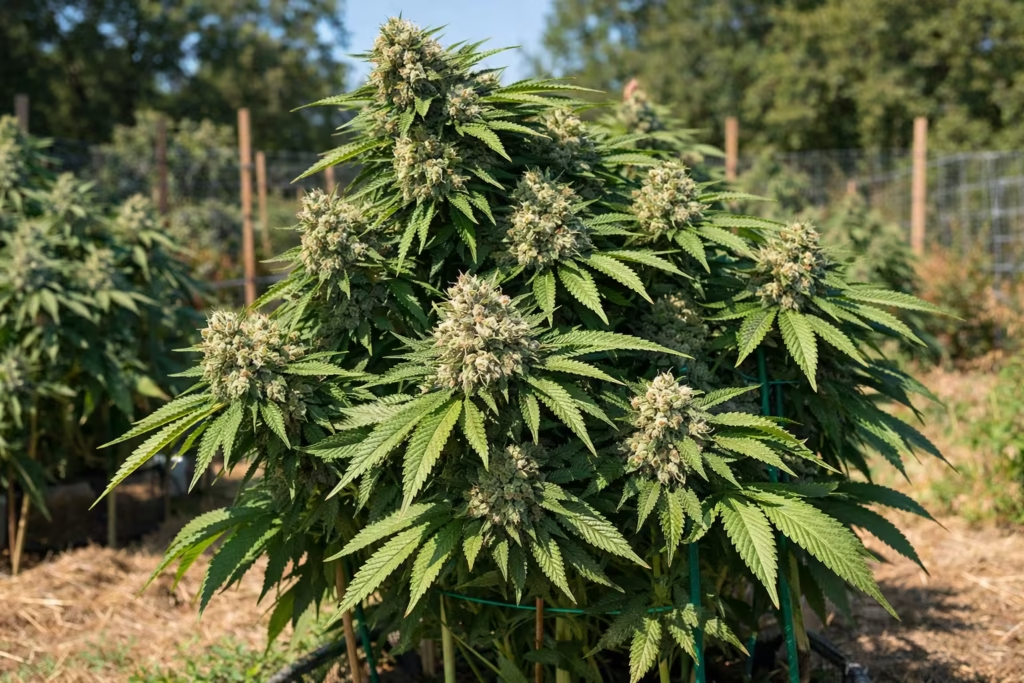
Outdoor plants often develop larger overall flowers because roots can expand freely and sunlight remains extremely powerful.
Large outdoor plants often produce:
- stronger lower bud development
- giant colas
- broad branch spread
How to Know Buds Are Reaching Full Size
Late flowering signs include:
- calyx swelling
- pistils darkening
- visible bud thickening
- stronger resin coverage
The final two weeks often add surprising weight.
Growers who remain patient usually see stronger final density.
Frequently Asked Questions
Yes, if genetics are strong and light intensity is high, smaller plants can still build impressive top colas.
Only if roots actually use the available space before flowering.
Bud size depends on complete nutrition balance, not one single nutrient.
Usually light intensity, genetics, or environmental instability.
