

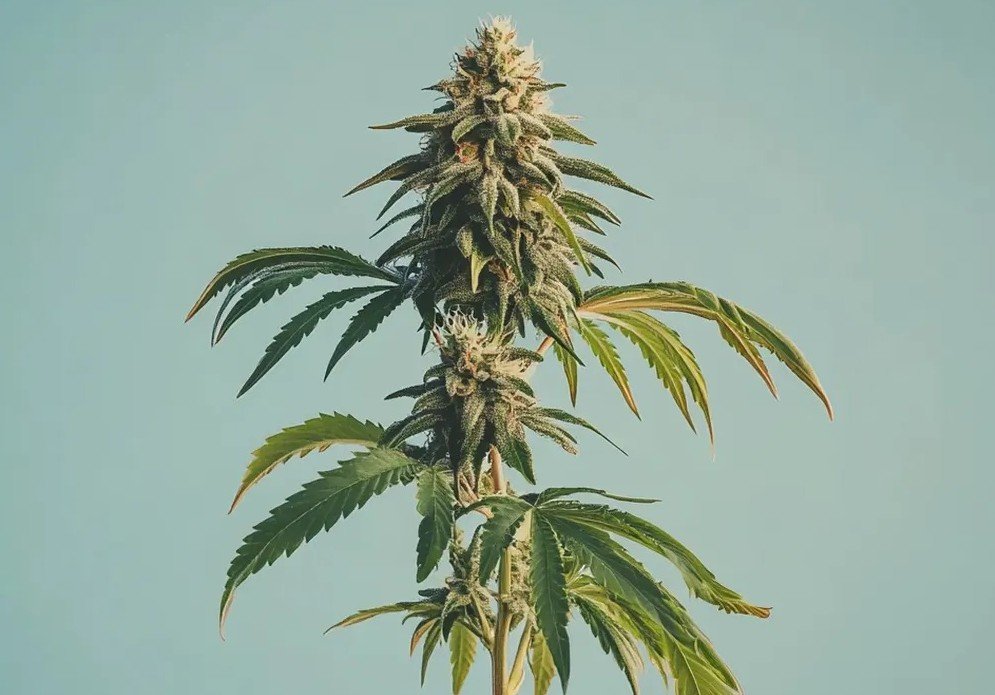
In the world of outdoor cannabis cultivation, timing is everything. If you’ve heard the term “flip tree” floating around, it’s slang used by many growers to describe a cannabis plant that is beginning the transition from the vegetative stage to the flowering stage — commonly referred to as “flipping.” In Northern California, understanding exactly when this natural flip occurs is crucial to optimizing yield, potency, and plant health.
Unlike indoor setups where growers can control light exposure to induce flowering, outdoor cannabis relies entirely on the rhythms of nature — particularly the changing daylight hours. This makes it vital for outdoor growers in Northern California to know when their flip tree will start flowering so they can prepare for the critical weeks ahead.
This guide will break down the typical outdoor cannabis flowering timeline for Northern California, highlight the environmental and genetic factors that influence the flip, and provide tips for supporting your plants as they enter this transformative stage.
Understanding the Flowering Stage of Cannabis
The flowering stage is the final and most critical phase in the cannabis plant’s life cycle. It’s when the plant shifts its energy from growing leaves and stems to producing buds — the part harvested for its cannabinoids, terpenes, and resin. For outdoor growers, this transition typically occurs in response to decreasing daylight hours as summer turns to fall.
Cannabis plants can be divided into two major categories based on how they enter the flowering stage. Photoperiod strains rely on light cycles to flip. Outdoors, they naturally begin flowering when daylight shortens to around 13–14 hours, typically after the summer solstice (June 20–21). Autoflower strains flip based on age, not light exposure, usually starting to flower 3–4 weeks after germination — even in full sunlight.
The first signs of flowering stage outdoors typically appear in late July to early August, depending on your region and strain. As daylight hours decrease, photoperiod cannabis plants respond by shifting from vegetative growth to bloom. The first signs of flowering stage outdoors include the development of small white hairs (pistils) at the nodes where branches meet the main stem, along with noticeable vertical stretching. Growers may also observe a subtle change in the plant’s scent and structure as it begins to focus energy on bud production. Monitoring these early cues is essential for adjusting nutrients and preparing for full flowering.
Early signs that your flip tree (cannabis plant) is entering the flowering stage include:
- Slower vertical growth.
- Formation of small white hairs (pistils) at nodes.
- “Stretching” where branches elongate rapidly before forming bud sites.
Knowing these cues is essential so you can switch your feeding regimen, check for pests more frequently, and prepare for harvest down the line.
Northern California Climate and Light Cycles
Northern California offers one of the most favorable climates in the U.S. for outdoor cannabis cultivation. However, successful flowering depends heavily on your understanding of the region’s seasonal daylight hours and microclimates.
☀️ Daylight Hours in NorCal
Cannabis flowering outdoors is triggered by decreasing daylight, typically when days shorten to around 13–14 hours. Here’s a simplified overview of how daylight shifts in NorCal:
| Month | Daylight Hours (Approx.) |
|---|---|
| June (Solstice) | 15 hours |
| July | 14.5 → 14 hours |
| August | 14 → 13 hours |
| September | 13 → 12.5 hours |
By mid-to-late July, most photoperiod cannabis strains will sense the change and begin flipping into flowering mode.
🌱 Growing Zones and Microclimates
Northern California includes USDA zones 9a to 10b, with variation in elevation and proximity to the coast. Key microclimates:
- Coastal Areas (e.g., Humboldt, Mendocino): Cooler, foggy mornings; flowering may begin later due to reduced sunlight.
- Inland Valleys (e.g., Sacramento, Napa): Hotter, drier; ideal sun exposure leads to earlier and more vigorous flowering.
- Sierra Foothills: Cooler nights and risk of early frost in fall—important to choose faster-flowering strains here.
Understanding how your exact location fits into these zones helps you predict when your flip tree will enter the flowering phase.
When Cannabis Starts Flowering Outdoors in Northern California
In Northern California, most photoperiod cannabis plants begin flowering between mid-July and early August. This timing aligns with the natural reduction in daylight hours following the summer solstice (around June 20–21), when days start getting shorter.
📆 General Flowering Timeline
- Late June to Early July: Transition phase begins; plants sense light reduction.
- Mid–Late July: Flowering onset for many Indica-dominant strains.
- Early–Mid August: Sativa-dominant strains begin flowering.
- September–October: Peak flowering period and maturation.
🔍 Signs Your Flip Tree Is Flowering
Watch for these visible changes to confirm that your cannabis plant is flipping:
- White pistils forming at branch nodes.
- Vertical stretch — sudden increase in height.
- Change in leaf shape, especially tighter node spacing.
These signs indicate your plant is entering its reproductive phase. If you’re growing multiple strains, keep in mind that genetics heavily influence flowering onset, so each plant may flip at a slightly different time even under the same conditions.
🌤️ Local Conditions Can Shift Timing
Coastal fog, shade from trees or structures, or poor sun exposure can delay the flip by 1–2 weeks. Inland growers with full sun exposure might see earlier flowering by comparison.
Photoperiod vs. Autoflowering Strains
To accurately predict when your cannabis will start flowering outdoors, it’s essential to understand the difference between photoperiod and autoflowering strains — two distinct types of cannabis with very different flowering triggers.
🌙 Photoperiod Strains
These are the traditional cannabis plants that begin flowering in response to light cycle changes. Outdoors in Northern California, photoperiod strains typically start flowering when daylight drops below 14 hours, usually between mid-July and early August.
- Controlled by nature: They follow the sun’s seasonal cues.
- Greater yield potential: Larger plants due to longer vegetative growth.
- Ideal for experienced growers who can wait for the right timing.
⏱️ Autoflowering Strains
Autoflowers do not depend on light cycles to flower. Instead, they begin flowering automatically based on age, typically 3–5 weeks after germination, regardless of how many hours of light they receive.
- Fast growers: Suitable for short seasons or stealth grows.
- Begin flowering as early as June, even under long daylight.
- Smaller plants: Less yield, but quick harvest cycles.
🧬 Which Type Should You Choose?
| Grow Condition | Best Strain Type |
|---|---|
| Long growing season | Photoperiod (max yield) |
| Short summer/fall window | Autoflowering (fast flip) |
| Coastal or shaded areas | Autoflowering or early-finishing photoperiods |
| Multiple harvests/year | Autoflowering (successive planting) |
For Northern California growers, photoperiods are ideal for spring planting and fall harvest, while autoflowers offer quick summer harvests and a chance to grow multiple cycles in one season.
Flip Tree Flowering Timeline by Strain Type
Flowering time varies based on strain genetics, especially between Indica-dominant, Sativa-dominant, and Autoflowering varieties. This section breaks down the typical flowering timelines for each type when grown outdoors in Northern California.
📊 Flowering Timeline Chart
| Strain Type | Vegetative Period | Flowering Begins | Harvest Window | Ideal Conditions |
|---|---|---|---|---|
| Indica-Dominant Photoperiod | 6–8 weeks | Mid–Late July | Late September to Early October | Cooler climates, earlier flowering |
| Sativa-Dominant Photoperiod | 8–10 weeks | Late July to Mid-August | Mid–October to Early November | Needs full sun, longer season |
| Hybrid Photoperiod | 7–9 weeks | Late July | Late September to October | Balanced traits depending on lineage |
| Autoflowering | 3–4 weeks | Late June to Early July | Late July to August | Great for short seasons or multiple crops |
🌱 Notes:
Knowing your plant’s genetics allows you to align growing decisions with your local light cycles, temperature ranges, and humidity levels — all of which affect when flowering starts and how long it lasts.
- Indicas tend to flip and finish earlier, making them suitable for areas with early fall rains or shorter seasons.
- Sativas require more patience and sun, but reward growers with large, airy buds that resist mold better.
- Autoflowers allow you to stagger harvests and avoid the unpredictable fall weather.
Factors That Can Delay or Accelerate Flowering
Even when growing in ideal Northern California conditions, several internal and external factors can affect how soon or late your flip tree (cannabis) enters the flowering stage.
⏳ 5 Factors That Can Delay Flowering
- Excessive Nitrogen in Late Veg Phase: Too much nitrogen late in the vegetative stage can prolong growth and delay the flip.
- Transplant or Pruning Shock: Major root disruption or aggressive topping right before the flip can stall transition for 1–2 weeks.
- Inconsistent Light Exposure: Shade from trees, buildings, or cloudy weather can confuse photoperiod plants and delay the switch to flowering.
- Genetic Variability: Sativa-dominant strains and landrace varieties tend to flower later than Indicas or hybrids.
- Re-Vegging Due to Light Pollution: Exposure to artificial light at night (e.g., porch lights, security lights) can reset the plant to vegetative mode.
⚡ 4 Factors That Can Accelerate Flowering
- Early Root Establishment: Healthy, well-established plants are more responsive to light cues and flip sooner.
- Mild Environmental Stress: Some plants may trigger early flowering as a survival response to heat, drought, or restricted root space.
- Genetics (Early-Flowering or Autoflower Strains): Certain strains are bred specifically to flower earlier, even outdoors.
- Controlled Pruning Before Solstice: Strategic topping or defoliation before the solstice can reduce veg time and encourage earlier flip.
6 Expert Tips to Support Healthy Flowering
Once your flip tree (cannabis plant) enters the flowering stage, the way you care for it should shift to support bud production, prevent disease, and maximize potency. Below are key tips to guide your plants through a healthy and productive flowering cycle outdoors in Northern California.
🧪 1. Transition to Bloom Nutrients
Switch from nitrogen-heavy veg nutrients to a bloom formula higher in phosphorus (P) and potassium (K). Use supplements like bat guano, kelp meal, or bloom boosters to enhance flower size and resin production.
✂️ 2. Prune Strategically
Use the lollipop technique: remove lower branches and small bud sites that won’t receive much light. Increase airflow and light penetration to prevent mold and mildew.
💧 3. Monitor Watering Carefully
Flowering plants are sensitive to overwatering. Water early in the day to avoid excess humidity at night. Ensure soil drainage is optimal, especially in cooler coastal areas.
🐛 4. Prevent Pests and Mold
Apply organic pest controls like neem oil or insecticidal soap before flowering begins. Avoid spraying buds directly — focus on early prevention. Use Bacillus subtilis or sulfur dust to prevent powdery mildew.
🌡️ 5. Prepare for Fall Conditions
As harvest nears, nights get colder and wetter. Use breathable covers, hoop houses, or tarps to shield plants from early rains without trapping moisture
🔬 6. Track Trichome Development
Invest in a jeweler’s loupe or handheld microscope. Harvest timing is best judged by trichome color (from clear to cloudy to amber).
🌸 What to Do When Flowering Begins: Outdoor Grower Tips
When your cannabis flip tree enters the flowering stage, every move you make from this point on impacts your final yield, flavor, and potency. Here are essential tips tailored for outdoor growers in Northern California:
✅ 1. Switch to Bloom Nutrients
- Stop using vegetative (high-nitrogen) fertilizers.
- Start applying phosphorus- and potassium-rich bloom nutrients (e.g., 1-3-2 or 2-8-4).
- Supplement with organic additives like bat guano, bone meal, or kelp to boost bud development.
✂️ 2. Final Pruning and Training
- Lollipop the lower branches to focus energy on top buds and reduce moisture buildup.
- Avoid heavy topping during flower — it can stress the plant and delay development.
- Consider light low-stress training (LST) for better light penetration if the canopy is crowded.
💧 3. Adjust Watering Practices
- Reduce watering slightly; flowering plants prefer drier roots than during veg.
- Water early in the day to allow moisture to evaporate before cooler nights.
- Ensure good drainage — standing water increases mold risk during flowering.
🌬️ 4. Improve Airflow
- Use outdoor fans if growing in a greenhouse or enclosed space.
- Space your plants out to reduce humidity and improve breathability.
- Good airflow = mold prevention, especially in late flower.
🐞 5. Monitor for Pests and Mold
- Flowering is when pests (budworms, mites) and diseases (powdery mildew, botrytis) hit hardest.
- Apply biological pest controls like neem oil before buds fully develop.
- Use a hand lens to inspect buds weekly for rot, pests, or webbing.
🔍 6. Track Trichome Development
- Use a jeweler’s loupe (30–60x magnification) to watch trichomes go from clear → cloudy → amber.
- Harvest window typically starts when most trichomes turn milky/cloudy, with a few amber.
🌦️ 7. Prepare for Weather Changes
- As flowering progresses into late September/October, rains and cool nights increase.
- Cover your plants with breathable tarps or greenhouse film to prevent bud rot.
- Stake or trellis heavy branches before they snap from dense buds or wind.
🌎 Comparison Chart: Northern California vs. Southern California Flowering Start
| Factor | Northern California | Southern California |
|---|---|---|
| Typical Flowering Start | Mid–Late July | Early–Mid July |
| Photoperiod Sensitivity | Strong — plants flip around 14 hours daylight | Similar, but flip can occur slightly earlier |
| Daylight Hours at Flip | ~14 hours (late July) | ~14.5–14 hours (mid-July) |
| Climate Type | Coastal (foggy), Inland (dry-hot), Foothills | Desert (arid), Coastal (warmer), Mediterranean |
| Temperature Trends | Cooler nights, mild-hot days | Hotter days, warmer nights |
| Early Strain Benefit | Needed in high elevation or fog-prone areas | Less critical — longer grow window |
| Risk of Early Frost | Higher in mountain/foothill areas (Oct) | Low risk until late November |
| Pest & Mold Pressure | Moderate to high (due to fog/humidity) | Lower mold risk, higher spider mite risk |
| Autoflower Viability | Ideal for quick harvests before fall moisture | Ideal for multiple summer harvests |
| Coastal Influence | Delays flowering slightly (less intense sunlight) | Encourages earlier flowering (stronger sun) |
When does Flowering Start Outdoor in Virginia?
In Virginia, outdoor cannabis plants typically begin flowering in late July to early August, similar to Northern California, because flowering is triggered by the natural reduction in daylight hours. After the summer solstice (around June 21st), days gradually get shorter, and once the light period drops below 14–13.5 hours, most photoperiod cannabis strains begin to flower.
Virginia’s humid subtropical climate (hot summers and moderate to high humidity) can affect flowering conditions, making pest control and mold prevention especially important during this stage. Autoflower strains, however, will flower regardless of light and may start even earlier, depending on their age.
🌱 Virginia Outdoor Cannabis Growing Timeline (Photoperiod)
| Month | Stage | Key Activities |
|---|---|---|
| March – April | Seed Starting Indoors (Optional) | Start seeds under grow lights indoors (especially if planning to transplant). |
| Late April – Early May | Transplant Seedlings Outdoors | After the last frost (around April 15–30), harden off and move plants outside. |
| May – June | Vegetative Growth | Rapid leaf and branch growth. Use nitrogen-rich nutrients. Begin training (LST, topping). |
| Late June – July | Late Vegetative Stage | Prune for airflow, prepare for flowering. Monitor for pests (caterpillars, aphids). |
| Late July – Early August | Flowering Begins | First pistils appear. Switch to bloom nutrients. Watch for stretching and bud sites. |
| August – September | Mid to Late Flowering | Buds bulk up. Control humidity to prevent mold. Consider light defoliation. |
| Late September – October | Harvest Window | Harvest when trichomes are milky/cloudy (depends on strain). Most harvests occur early to mid-October. |
| October – November | Drying & Curing | Hang dry buds in a cool, dark, ventilated space. Begin slow cure in jars for 2–4 weeks. |
When do Marijuana Plants Start Flowering in Ohio?
In Ohio, outdoor marijuana (cannabis) plants typically begin to flower in late July to early August, similar to other regions in the northern U.S. This transition happens when daylight hours drop below 14 hours, which occurs naturally after the summer solstice (around June 21st).
Ohio’s humid continental climate—with hot summers and potential rainfall in late summer—means growers need to watch closely for mold and bud rot during the flowering stage. The exact start of flowering can vary slightly depending on your specific location in Ohio and the strain you’re growing, but most photoperiod plants will show signs of flowering by the first or second week of August.
🌱 Ohio Outdoor Cannabis Growing Timeline (Photoperiod Strains)
| Month | Stage | Key Activities |
|---|---|---|
| March – April | Indoor Seed Starting (Optional) | Start seeds indoors 4–6 weeks before transplanting. Use 18/6 light cycle. |
| Late April – Mid-May | Transplant Seedlings Outdoors | After the last frost (typically May 10–15), harden off plants and move them outside. |
| May – June | Vegetative Growth | Fast foliage and stem development. Apply nitrogen-rich nutrients. Begin LST/pruning. |
| Late June – July | Late Veg Phase | Prepare for flowering: improve airflow, reinforce supports, check for pests. |
| Late July – Early August | Flowering Starts | Days shorten below ~14 hours. First pistils emerge. Switch to bloom nutrients. |
| August – September | Full Flowering Stage | Buds form and swell. Maintain airflow and prevent humidity buildup to avoid mold. |
| Mid–Late September to Mid-October | Harvest Window | Harvest based on trichome color (milky/cloudy). Peak harvest usually late September to early October. |
| October – November | Drying & Curing | Dry for 7–14 days in a dark, cool, ventilated room. Cure in glass jars for 2–4+ weeks. |
🌦️ Ohio Climate Tips
- Frost risk: Never plant outdoors before mid-May unless protected.
- Rainfall in late summer: Use stakes/cages and defoliate lower branches to reduce mold.
- Humidity control: Crucial during August and September. Use natural wind or outdoor fans if needed.
- Autoflowering option: Can be planted May to July and harvested within ~10 weeks.
Frequently Asked Questions (FAQs)
Yes, you can simulate early flowering outdoors by manually reducing light exposure (e.g., covering the plant with a lightproof tarp to create a 12/12 cycle). However, this requires daily consistency and works best for small grows.
Late flowering increases the risk of bud rot and mold due to colder, wetter fall weather in Northern California. Late-blooming strains (especially Sativas) may not fully mature before the first frost if not managed properly.
Not quite. Pre-flowering is the initial stage when plants show their sex (pistils for females) and begin stretching. Full flowering begins when bud sites form and resin production starts in earnest — typically 1–2 weeks after pre-flower signs.
Genetic variation, shading, or even rootbound conditions can cause one plant to flip early while others remain in veg. This is common in mixed gardens or where plants are exposed to uneven light.
Yes, but they’ll require different schedules. Autoflowers will flower sooner, while photoperiods will need longer veg time. Be cautious when feeding or pruning so both types thrive.
Conclusion
Growing cannabis outdoors in Northern California gives cultivators a unique advantage thanks to the region’s long growing season, rich soil, and abundant sunlight. But success hinges on knowing when your flip tree — your cannabis plant — will begin flowering.
For most photoperiod strains, the transition begins between mid-July and early August, triggered by shortening daylight hours after the summer solstice. Autoflowers, by contrast, can flip much earlier based on age alone, giving growers greater flexibility.
Whether you’re working with Indicas, Sativas, hybrids, or autos, understanding your strain’s genetics, tracking environmental cues, and supporting healthy flowering practices will lead to better yields and stronger plants. With the right planning and care, you’ll be well-prepared for a bountiful harvest come fall.
References and sources used in content creation:
- https://blimburnseeds.com/blog/tips-and-tricks/when-flip-trees-start-flowering-outdoor-in-northern-california/
- https://www.thcfarmer.com/threads/northern-ca-flowering-times-topping-mistakes.97605/
- https://www.advancednutrients.com/articles/cannabis-flowering-starts-outdoors/
- https://ilovegrowingmarijuana.com/growing/grow-calendar/
- https://ilgm.com/resources/guides/a-beginners-guide-to-cannabis-flowering-stage
