

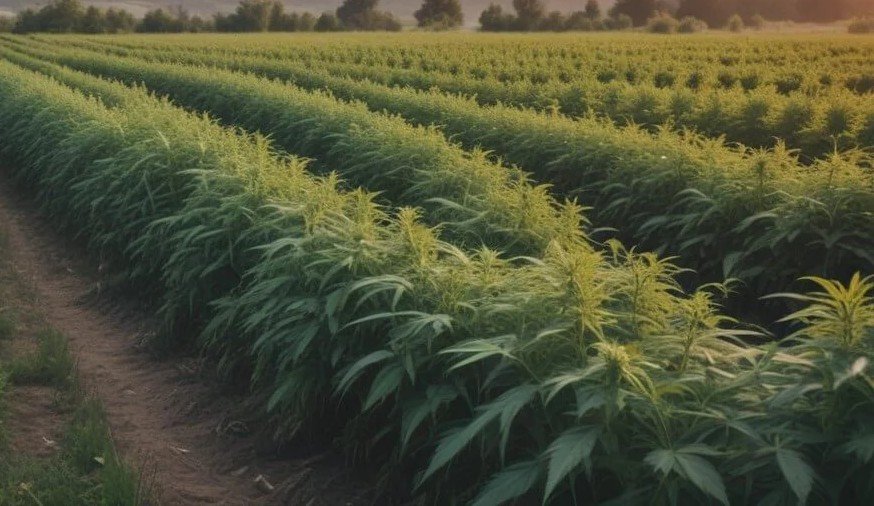
Growing cannabis outdoors in Minnesota has become a viable option for residents aged 21 and older, thanks to the state’s legalization of recreational cannabis on August 1, 2023. Under Minnesota cannabis laws, individuals are permitted to cultivate up to eight cannabis plants at their primary residence, with no more than four being mature, flowering plants at any given time. However, it’s essential to note that all cultivation must occur in an enclosed, locked space that is not visible to the public, even when growing weed in Minnesota outdoors.
While outdoor cannabis cultivation in MN is legally permissible, growers should be aware of the state’s unique climatic challenges. Minnesota’s short growing season, potential for early frosts, and varying weather conditions can impact the success of outdoor cannabis plants. Therefore, selecting appropriate strains and implementing protective measures are crucial for a fruitful harvest.
This guide aims to provide comprehensive insights into successfully growing weed in Minnesota outdoors, covering legal considerations, climate-specific tips, and best practices to ensure a thriving cannabis garden in the Land of 10,000 Lakes.
Is It Legal to Grow Weed Outdoors in Minnesota?
Yes, cultivating cannabis outdoors in Minnesota is legal for adults aged 21 and over, provided specific conditions are met. Under the Minnesota marijuana cultivation law, individuals may grow up to eight cannabis plants, with no more than four being mature, flowering plants, at their primary residence. This cultivation must occur in an enclosed, locked space that is not visible to the public, ensuring compliance with privacy and security requirements.
Key Legal Requirements for Outdoor Cannabis Cultivation in MN
- Age Restriction: Cultivators must be 21 years or older.
- Plant Limits: A maximum of eight plants per residence, with no more than four in the mature, flowering stage at any given time.
- Location: Cultivation must take place at the individual’s primary residence.
- Security Measures: Plants must be grown in an enclosed, locked space that is not open to public view, whether indoors or in a secured outdoor area.
Penalties for Non-Compliance
Exceeding the permitted plant count or failing to adhere to the security requirements can result in penalties:
- Civil Penalties: A fine of up to $500 per plant grown beyond the legal limit.
- Criminal Charges:
- Cultivating more than 16 but not more than 23 plants constitutes second-degree cultivation, punishable by up to 1 year of imprisonment and/or a $3,000 fine.
- Cultivating more than 23 plants is considered first-degree cultivation, carrying penalties of up to 5 years of imprisonment and/or a $10,000 fine.
Considerations for Outdoor Cultivation
While outdoor cultivation is permissible, Minnesota’s climate presents challenges such as a short growing season and potential early frosts. Therefore, selecting appropriate cannabis strains and implementing protective measures are crucial for a successful harvest.
In summary, outdoor weed legality in MN allows for home cultivation within defined parameters. Adhering to the growing limits MN cannabis laws ensures compliance and minimizes legal risks.
Minnesota’s Climate and Outdoor Cannabis Challenges
Growing cannabis outdoors in Minnesota comes with unique environmental challenges due to its continental climate and abbreviated summer season. Understanding the Minnesota growing season is crucial for planning a successful cultivation cycle.
A. Minnesota’s Short Growing Window
Minnesota falls mostly within USDA Hardiness Zones 3b to 4b. The typical outdoor growing season runs from late May to late September, offering a narrow window of approximately 120 frost-free days. This shortened timeline limits the viability of long-flowering photoperiod strains and demands precision in seedling preparation and transplanting schedules.
- Last frost date: ~May 15–25
- First frost date: ~September 25–October 5
To maximize this short span, many Minnesota growers start cannabis seedlings indoors as early as April, allowing for robust transplants by late May.
B. Climate Challenges for Cannabis in MN
The climate for cannabis in MN presents several hurdles:
- Cool spring nights that can stunt growth.
- Sudden weather shifts, including strong winds and heavy rain.
- Humidity fluctuations that increase the risk of mold during flowering.
- Early fall frosts that can damage or kill plants before full maturity.
These factors make it essential to choose fast-maturing, resilient strains and monitor local weather conditions closely.
C. Weed Frost Protection in MN
Because early frosts can strike in September, weed frost protection in MN is a key part of outdoor cannabis cultivation. Effective strategies include:
- Using frost blankets or row covers during chilly nights.
- Building mini greenhouses or hoop tunnels for insulation.
- Transplanting to raised beds or containers that retain heat longer.
- Choosing autoflowering cannabis strains, which complete their lifecycle in 8–10 weeks and are ideal for short seasons.
Pro tip: Plan your harvest before the first frost by watching trichome color changes and weather forecasts. Early harvest is better than losing your crop to an unexpected cold snap.
The Minnesota growing season requires precise planning and proactive protection measures. By understanding the climate for cannabis in MN and implementing proper weed frost protection, outdoor growers can still enjoy healthy, potent yields even in the northern Midwest.
Best Time to Plant Cannabis Outdoors in MN
Successfully growing cannabis outdoors in Minnesota begins with understanding when to plant weed in MN to align with the state’s short and sometimes unpredictable growing season.
A. Ideal Planting Time in Minnesota
For outdoor cannabis planting in MN, the safest time to move your seedlings outdoors is after the last frost, which typically occurs between May 15 and May 25, depending on your location. Planting earlier risks cold damage, while planting too late may not allow enough time for full maturation before fall frost.
Recommended Planting Timeline:
- Seed starting indoors: Mid to late April
- Hardening off seedlings: Early to mid-May
- Transplanting outdoors: Late May to early June
Starting seeds indoors helps develop a strong root system and ensures plants are ready to take advantage of the full Minnesota summer sunlight once they’re outside.
B. Harvest Time in MN Cannabis Cultivation
The harvest time for MN cannabis is typically from late September to early October, depending on the strain’s flowering period and local frost warnings. Autoflowering strains are often ready by early to mid-September, while photoperiod strains need close monitoring of trichome development and weather conditions.
Key harvest indicators:
- Trichomes turn from clear to milky or amber
- Pistils darken and curl inward
- Night temperatures start dipping below 45°F
In Minnesota, it’s critical to harvest before the first hard frost, which can destroy buds or reduce potency. Early-maturing strains give growers a better chance to complete the flowering cycle safely.
C. Summary and Tips
- For outdoor cannabis planting MN, aim to transplant around late May.
- Monitor forecasts to avoid planting before the last frost.
- Plan for harvest time MN cannabis no later than early October.
- Use autoflowers or fast-flowering photoperiods for better results in Minnesota’s limited window.
Best Cannabis Strains for Minnesota’s Climate
Choosing the right genetics is one of the most important decisions for successful outdoor cannabis growing in Minnesota. With a short growing window and early fall frosts, selecting fast-growing cannabis strains that can thrive in cold, unpredictable conditions is essential.
A. Why Autoflowers Are Ideal for Minnesota
For many growers, autoflower weed in MN offers a strategic advantage. Unlike photoperiod strains, autoflowers begin flowering based on age rather than light cycles. This allows for multiple harvests in a single season or a reliable harvest before the first frost hits.
Benefits of autoflowers in Minnesota:
- Short life cycle (8–10 weeks from seed to harvest)
- Compact size, perfect for stealth grows
- Cold-hardy genetics, often bred from Cannabis ruderalis
- No need to manipulate light cycles
Popular autoflower strains for Minnesota:
- Northern Lights Auto
- Lowryder
- White Widow Auto
- Blueberry Auto
These strains are known for their reliability, hardiness, and quick turnaround—perfect for Minnesota’s climate.
B. Best Strains for Cold Climates
Minnesota’s climate features temperature swings, early frost risks, and sometimes humid late summers. That means growers need the best strains for cold climates, especially if they prefer photoperiod genetics.
Recommended photoperiod strains:
- Early Skunk – Mold-resistant and finishes quickly
- Frisian Dew – Bred for northern outdoor climates, very resilient
- Hollands Hope – Specifically developed for short, wet summers
- Durban Poison – Sativa-dominant but matures quickly and resists pests
These strains tolerate sudden cold snaps and are less prone to mold during the damp Minnesota fall.
C. Fast-Growing Cannabis for Short Seasons
The key to outdoor success in Minnesota is choosing fast growing cannabis MN strains that mature before October. Fast photoperiod strains generally flower in 6–8 weeks, giving growers a viable window to finish harvest before frost.
Tips for fast-maturing strains:
- Look for “Early,” “Auto,” or “Quick” in strain names.
- Choose breeders known for cold-climate phenotypes (e.g., Dutch Passion, FastBuds, Seedsman).
- Consider hybrids with Ruderalis genetics for early finishing traits.
Preparing Your Outdoor Grow Site in Minnesota
Choosing the right grow site and preparing nutrient-rich, well-drained soil are foundational steps for a successful outdoor cannabis harvest in Minnesota. Due to the region’s dense clay and loamy soils, proper site selection and soil conditioning are essential for healthy plant development.
A. Selecting the Right Weed Grow Site in MN
Finding an ideal weed grow site in MN means balancing sunlight, drainage, security, and microclimate factors.
Key considerations:
- Sunlight exposure: Pick a location with 6–8 hours of direct sunlight per day.
- Shelter from wind: Use natural barriers or fencing to protect your plants from Minnesota’s unpredictable gusts.
- Drainage: Avoid low-lying areas where water may pool. Cannabis roots are sensitive to waterlogging.
- Discreet location: Your grow site must be private and secured as per Minnesota cultivation laws—hidden from public view, ideally fenced or enclosed.
Raised beds or container gardening can be a smart approach to optimize drainage and mobility, especially in areas where native soil is poor.
B. Outdoor Cannabis Soil MN: What Works Best?
Minnesota soils vary across the state, often containing clay, silt, or heavy loam—not ideal for cannabis unless amended. For optimal results, outdoor growers should either condition native soil or use a custom soil mix designed for cannabis.
Ideal characteristics of outdoor cannabis soil in MN:
- Loamy texture (a mix of sand, silt, and clay)
- Well-draining yet moisture-retentive
- Rich in organic matter
- pH-balanced (6.0–7.0)
Soil testing kits are widely available and can help you measure pH and nutrient levels before planting.
C. Best Soil for Growing Cannabis Outside in Minnesota
To bypass native soil limitations, many growers build their own mix using organic materials. Here’s a basic recipe for the best soil for growing cannabis outside in Minnesota:
DIY Cannabis Soil Mix:
- 40% organic compost (leaf mold, worm castings, or well-aged manure)
- 30% coco coir or peat moss (for moisture retention)
- 20% perlite (for aeration)
- 10% amended native topsoil or forest soil
Optional amendments:
- Bone meal (phosphorus)
- Kelp meal (micronutrients)
- Dolomite lime (pH buffering)
- Mycorrhizae (root development booster)
Apply mulch (like straw or bark) around the base of each plant to retain moisture and reduce weed competition.
In summary, success in Minnesota’s outdoor cannabis cultivation starts with smart site selection, knowledge of outdoor cannabis soil MN conditions, and the creation of the best soil for growing cannabis outside. A properly prepped grow site boosts root health, nutrient uptake, and overall plant vitality—even in Minnesota’s shorter growing season.
Watering and Feeding Tips for Minnesota Grows
Keeping cannabis healthy outdoors in Minnesota requires a careful balance of watering and nutrient delivery, especially given the state’s fluctuating weather conditions and short growing window. From rainfall patterns to soil nutrients, understanding how to manage these factors is essential for strong plant development.
A. Watering Cannabis Outdoors in MN
Watering cannabis outdoors in MN isn’t as straightforward as following a set schedule. Factors like rainfall, humidity, wind, and soil drainage all play a role. In many regions of Minnesota, growers deal with unpredictable precipitation—some seasons are wet and others dry.
Watering Tips:
- Check soil moisture by inserting your finger 2–3 inches deep. If it’s dry, water thoroughly.
- Morning watering is best to prevent mold and allow plants to absorb moisture before the sun peaks.
- In dry spells, water every 2–3 days; in rainy periods, only water when needed.
- Avoid overwatering—this leads to root rot and nutrient lockout, especially in heavy or clay-rich Minnesota soils.
Use mulch or cover crops to retain soil moisture and reduce evaporation during summer heatwaves.
B. Cannabis Nutrients for Outdoor Grows
Feeding your plants the right balance of macronutrients and trace minerals is vital for lush growth and resin-rich buds. The needs shift throughout the plant’s life cycle:
- Vegetative stage: Higher nitrogen (N) supports leafy growth.
- Flowering stage: Boost phosphorus (P) and potassium (K) to enhance bud production.
For an effective cannabis nutrients outdoor grow strategy, many Minnesota cultivators use slow-release dry amendments that break down over time with watering and microbial activity.
Recommended nutrients:
- Blood meal or fish meal (nitrogen)
- Bone meal (phosphorus)
- Kelp or wood ash (potassium)
- Epsom salt (magnesium & sulfur)
Always check the pH of your soil after feeding—Minnesota’s soil tends to acidify with repeated feeding, so buffer with lime if needed.
C. Organic Weed Nutrients for Healthier Growth
Using organic weed nutrients ensures healthier plants, tastier buds, and a more sustainable growing environment. Many outdoor growers in MN prefer organic methods to avoid chemical buildup and reduce environmental impact.
Popular organic feeding options:
- Compost tea – A living solution packed with beneficial microbes
- Worm castings – Rich in nutrients and improves soil structure
- Alfalfa meal – Encourages microbial activity and plant vigor
- Molasses – Feeds soil microbes and enhances terpene profiles
Organic feeding is especially effective in Minnesota where soil biodiversity helps buffer against extreme temperature swings and improves nutrient cycling naturally.
Pest and Wildlife Protection in MN
Outdoor cannabis cultivation in Minnesota brings not only climate challenges but also pest and wildlife threats that can ruin a grow if left unmanaged. To protect weed plants outdoors, growers must take proactive steps to identify local risks and apply safe, effective prevention strategies.
A. Common Cannabis Pests in Minnesota
Several pests can damage your cannabis crop in Minnesota’s outdoor environment. Being familiar with these threats is the first step toward effective prevention.
Top cannabis pests Minnesota growers face:
- Aphids – Tiny sap-sucking insects that gather on new growth
- Spider mites – Thrive in hot, dry conditions; leave behind webbing and speckled leaves
- Caterpillars and budworms – Bore into buds and stems, causing rot and mold
- Fungus gnats – Lay eggs in moist soil, larvae feed on roots
- Grasshoppers and beetles – Chew on leaves and can strip plants quickly
Early detection is key—inspect leaves (top and bottom) weekly, especially during vegetative and early flowering stages.
B. How to Protect Weed Plants Outdoors in Minnesota
Protection from both pests and larger wildlife like deer, rabbits, and rodents is essential in rural or suburban grows.
Tactics to protect weed plants outdoors:
- Fencing or chicken wire: Keep deer and rabbits out of your garden space
- Plant decoys: Companion plants like marigolds or basil can repel insects naturally
- Row covers or mesh netting: Shield plants from both bugs and birds
- Mulch barriers: Deter crawling insects and retain moisture
Regularly trimming undergrowth and clearing weeds around the grow area also reduces pest habitat and increases airflow.
C. Organic Pest Control for Cannabis
Many growers prefer organic pest control for cannabis to maintain soil health, protect beneficial insects, and avoid chemical residue in their final product.
Top organic solutions:
- Neem oil spray – Acts as a repellent and disrupts insect life cycles
- Insecticidal soap – Effective against soft-bodied pests like aphids and mites
- BT (Bacillus thuringiensis) – Natural bacteria that target caterpillars and worms
- Diatomaceous earth – Fine powder that dehydrates crawling pests
- Predatory insects – Introduce ladybugs, lacewings, or praying mantises
Apply sprays in the early morning or evening to avoid sunlight damage and preserve pollinators.
Cannabis Flowering Stage & Harvest Time in MN
The final stage of your grow—flowering and harvesting—is where all your hard work pays off. In Minnesota, timing is especially important due to the early arrival of fall frosts and the state’s condensed growing season. Knowing what to look for during the cannabis flowering outdoors MN phase can make the difference between a mediocre and a top-quality harvest.
A. Flowering Stage Outdoors in Minnesota
Cannabis flowering outdoors in MN usually begins in early to mid-August, once daylight starts to decrease. Photoperiod strains respond naturally to shorter days, while autoflowers begin flowering based on age—typically 3–4 weeks after germination.
Key signs of flowering:
- Formation of white pistils (hairs) at the nodes
- Stretching in vertical growth (especially during pre-flower)
- A shift in scent as trichomes and terpenes develop
Monitor your plants daily during this stage—weather changes, mold risk, and pest attacks become more critical as buds swell and resin production ramps up.
B. Weed Harvest in Minnesota
Weed harvest in Minnesota typically occurs between late September and early October, depending on the strain and local climate. Since frost can arrive as early as late September, planning ahead is vital.
How to know it’s time to harvest:
- Trichomes turn from clear to milky or amber (use a magnifying glass or jeweler’s loupe)
- Pistils darken and curl inward
- Buds feel dense and sticky, with strong aroma
Avoid letting your plants get hit by the first hard frost, which can damage trichomes and reduce potency. For autoflowers, harvest may come as early as mid to late September, giving you a better shot at beating the cold.
C. Curing Cannabis in MN’s Fall Conditions
Once you’ve harvested, the next step is curing cannabis MN-style—a crucial process that improves flavor, potency, and shelf life. Minnesota’s fall climate can be humid, so take extra care to manage drying conditions.
4 Steps to cure cannabis:
- Dry buds in a dark, well-ventilated room at ~60°F and 50–60% humidity for 7–10 days.
- Trim buds once dry to the touch and stems snap cleanly.
- Cure in airtight jars (mason jars work well), opening daily for 10–15 minutes during the first week to release moisture and gases (burping).
- Cure for at least 2–4 weeks, with longer cures (up to 8 weeks) producing the smoothest results.
Use humidity packs to help stabilize moisture levels during curing if your indoor space tends to fluctuate.
Outdoor Weed Growing Mistakes to Avoid in MN
Growing cannabis outdoors in Minnesota can be rewarding, but it also comes with risks that can jeopardize your harvest if you’re not careful. From unpredictable frosts to watering missteps, understanding the most common cannabis growing mistakes MN cultivators make is key to avoiding them.
A. Planting Too Early in the Season
One of the most frequent errors is planting cannabis outside too soon in the spring. Even though daytime temperatures may seem favorable in early May, Minnesota is known for late frosts, which can severely damage or kill young plants.
Solution: Wait until after the last frost date, usually between May 15–25. Monitor the 10-day forecast to ensure nights consistently stay above 50°F.
B. Underestimating Weed Frost Damage
Weed frost damage is a serious threat in Minnesota’s fall. As temperatures drop in late September, trichomes can become brittle, and buds may suffer cell wall rupture, mold formation, and potency loss.
Signs of frost damage:
- Wilted or discolored leaves after a cold night
- Mushy or blackened buds
- Reduced aroma and resin production
Solution: Track the first expected frost and plan to harvest a few days in advance. Use frost covers or hoop tunnels during risky nights to protect your plants if they’re not ready for harvest yet.
C. Watering Issues in Outdoor Cannabis Grows
Another major error involves watering issues in outdoor grow setups. Minnesota’s rainfall is inconsistent—some summers are dry, others are stormy, leading to both under- and overwatering.
Common watering problems:
- Overwatering from heavy rain or frequent irrigation leads to root rot and stunted growth.
- Underwatering during dry spells causes drooping leaves and nutrient deficiencies.
- Poor drainage in clay-heavy soil can suffocate roots.
Solution:
- Water deeply but infrequently—ensure at least 1–2 inches of water per week during dry periods.
- Improve drainage by planting in raised beds or containers.
- Always check soil moisture with your finger or a moisture meter before watering.
D. Ignoring Soil Health and Nutrient Needs
Some growers assume Minnesota’s native soil is good enough for cannabis. In reality, many regions have compacted clay or nutrient-deficient topsoil.
Solution: Amend native soil with compost, perlite, worm castings, and pH buffers. Test your soil before planting and during the grow to adjust nutrients as needed.
Sustainable and Organic Growing Practices in Minnesota
As awareness around environmental impact grows, many cultivators in Minnesota are turning to organic cannabis MN methods that prioritize soil health, resource conservation, and chemical-free gardening. Not only do these approaches result in cleaner, more flavorful buds, but they also contribute to long-term soil fertility and ecosystem health.
A. Why Choose Organic Cannabis in Minnesota?
Organic cannabis MN is grown without synthetic fertilizers, pesticides, or herbicides. This method relies on natural amendments, beneficial microbes, and ecological balance to nourish and protect plants.
Benefits of growing organic weed:
- Enhanced terpene and cannabinoid profiles
- Healthier soil with active microbial life
- Reduced chemical runoff into groundwater
- Safe for pollinators, pets, and people
Minnesota’s native wildlife, lakes, and farmland can all benefit when cannabis is grown using eco-conscious methods.
B. Sustainable Weed Cultivation Techniques
Implementing sustainable weed cultivation means thinking beyond just the plant—it’s about creating a self-sustaining garden system that works with nature, not against it.
Sustainable strategies for Minnesota growers:
- Use compost and worm castings instead of chemical fertilizers
- Apply mulch (like straw or leaves) to conserve water and suppress weeds
- Rotate companion plants (like clover or basil) to deter pests and improve soil
- Collect rainwater in barrels to irrigate during dry periods
- Make compost teas to boost microbial life and nutrient availability
These practices not only reduce your carbon footprint but also improve resilience against climate swings and soil depletion.
C. Building an Eco-Friendly Outdoor Grow in MN
To run an eco-friendly outdoor grow, it’s important to consider how your garden interacts with the local environment. This includes minimizing waste, reusing resources, and avoiding harmful inputs.
Tips for eco-friendly cannabis cultivation:
- Grow in fabric pots made of recycled materials for breathability and reusability
- Use local soil and compost to cut down on transportation emissions
- Install drip irrigation systems to conserve water and target roots directly
- Avoid synthetic pesticides—use organic pest control like neem oil, diatomaceous earth, or beneficial insects
Adding biodiversity to your garden—like pollinator flowers or native grasses—can also create a more resilient ecosystem and deter monoculture pests.
Outdoor Cannabis Growing Checklist for Minnesota
Growing cannabis outdoors in Minnesota can be highly rewarding when approached with careful planning and climate-specific strategies. Here’s a complete checklist to help you stay on track throughout the growing season:
Legal Compliance
- ✔️ Follow Minnesota cannabis cultivation laws: Up to 8 plants (4 flowering) per adult at your primary residence
- ✔️ Grow in an enclosed, locked space, hidden from public view
- ✔️ Confirm you are at least 21 years old before cultivating
Planning and Timing
- ✔️ Start seeds indoors by mid-April
- ✔️ Transplant outdoors after the last frost (typically May 15–25)
- ✔️ Plan to harvest by late September or early October, before first frost
Strain Selection
- ✔️ Choose autoflower strains or fast-growing photoperiods
- ✔️ Look for cold-tolerant, early-finishing genetics suited for northern climates
Grow Site and Soil
- ✔️ Select a sunny, well-drained, private location
- ✔️ Prepare soil: Loamy, pH 6.0–7.0, amended with compost, perlite, and organic matter
- ✔️ Use raised beds or fabric pots if native soil is poor
Watering and Feeding
- ✔️ Water deeply but only when soil is dry 2–3 inches below surface
- ✔️ Feed using organic nutrients like compost tea, kelp meal, and worm castings
- ✔️ Maintain proper soil pH to avoid nutrient lockout
Pest and Wildlife Protection
- ✔️ Inspect plants weekly for aphids, mites, caterpillars, and budworms
- ✔️ Use organic pest control (neem oil, diatomaceous earth, ladybugs)
- ✔️ Protect from deer and rabbits with fencing or netting
Flowering, Harvest & Curing
- ✔️ Monitor flowering stage starting early August
- ✔️ Harvest based on trichome color and pistil maturity
- ✔️ Dry in a cool, dark, ventilated space
- ✔️ Cure buds in airtight jars for at least 2–4 weeks
Sustainability Practices
- ✔️ Use organic and sustainable inputs
- ✔️ Collect rainwater and reduce runoff
- ✔️ Rotate plants, mulch, and build long-term soil health
Related topics:
- “Best Soil for Growing Cannabis Outdoors”
- “Autoflower vs Photoperiod for Outdoor Grow”
- “Harvesting Weed in Cold Climates”
- “How to Cure Cannabis Properly After Outdoor Harvest”
References and sources used in content creation:
- https://cannabis.minnesota.edu/video/cultivation/
- https://northerngardener.org/growing-marijuana/
- https://www.revisor.mn.gov/rules/pdf/9810.1500/2025-04-25%2010%3A19%3A10%2B00%3A00
- https://kstp.com/kstp-news/top-news/minnesota-marijuana-dispensaries-might-not-open-until-late-spring-2026/
- https://quantum9.net/minnesota-cannabis-cultivation-license/
- https://www.mprnews.org/story/2024/12/30/minnesota-cannabis-industry-what-to-expect-2025
- https://www.house.mn.gov/sessiondaily/Story/18765
- https://canndelta.com/the-3-best-ways-to-start-cultivating-cannabis-in-minnesota/
